Optics
The descent into Seoul was sharp and clean, the city unfolding beneath Judd like a circuit board—orderly, glowing, impossibly precise. From the window of the aircraft, the Han River cut through the metropolis like a vein of dark glass, bridges lit in disciplined symmetry.
If Singapore had felt like controlled chaos, Seoul felt engineered. Judd stepped into Incheon International Airport, one of the most advanced transit hubs in the world. Everything moved with quiet efficiency—automated systems, seamless transfers, not a wasted motion.
It was the kind of place where technology didn’t assist life—it defined it. Which made it the perfect place for what he feared.
Rumors had reached the Order through fragmented channels—whispers of North Korea’s Reconnaissance General Bureau (RGB) experimenting with delivery systems not just for warheads, but something far more insidious. If Sebastian Wolf’s DNA-altering virus could be paired with ballistic capability… It wouldn’t just be a weapon. It would be a reset button for humanity. The Hwasong series rockets, already capable of intercontinental reach, were one threat. But what concerned Judd more were reports of advancements in Pukguksong submarine-launched ballistic missiles—stealthier, harder to detect, capable of delivering payloads from beneath the ocean’s surface.
Invisible. Untraceable. Unstoppable.
Judd checked into the The Westin Josun Seoul, a landmark hotel blending old-world prestige with modern Korean precision. Polished marble floors, quiet luxury, and staff who seemed to anticipate your needs before you had them. He had just stepped into the lobby café when he froze.
Vinod. Immaculate as ever—tailored jacket, glasses perfectly aligned, posture relaxed but alert. The man didn’t belong to coincidence.
“Mr. Knight,” Vinod said, rising with a faint smile. “Seoul suits you.”
Judd didn’t return the smile. “You’re a long way from Singapore.”
Vinod gestured casually. “Lunch?”
It wasn’t a question They sat in the café, two men pretending to be travelers sharing a quiet meal. The curry chicken sandwich arrived—perfectly toasted, rich with spice and balance. Judd took a bite and paused. That might be the best sandwich I’ve ever had. He filed that away for later.
Vinod leaned forward slightly. “You’re chasing missiles. Or rather… what they might carry.”
“And you?” Judd asked.
Vinod’s smile thinned. “Let’s just say I represent parties with a vested interest in keeping the world… stable.”
“Governments?”
Vinod sipped his tea. “Labels are so limiting.”
Judd studied him. This wasn’t just a broker. This was a man operating at a level above borders.
“I’ll be back in Singapore,” Judd said. “A few weeks.”
Vinod nodded. “Then we’ll continue our conversation.”
And just like that, he stood and left—no goodbye, no backward glance. Judd watched him go, one thought echoing in his mind: Is Vinod truly who he says he is? With no immediate answers, Judd moved into the city.
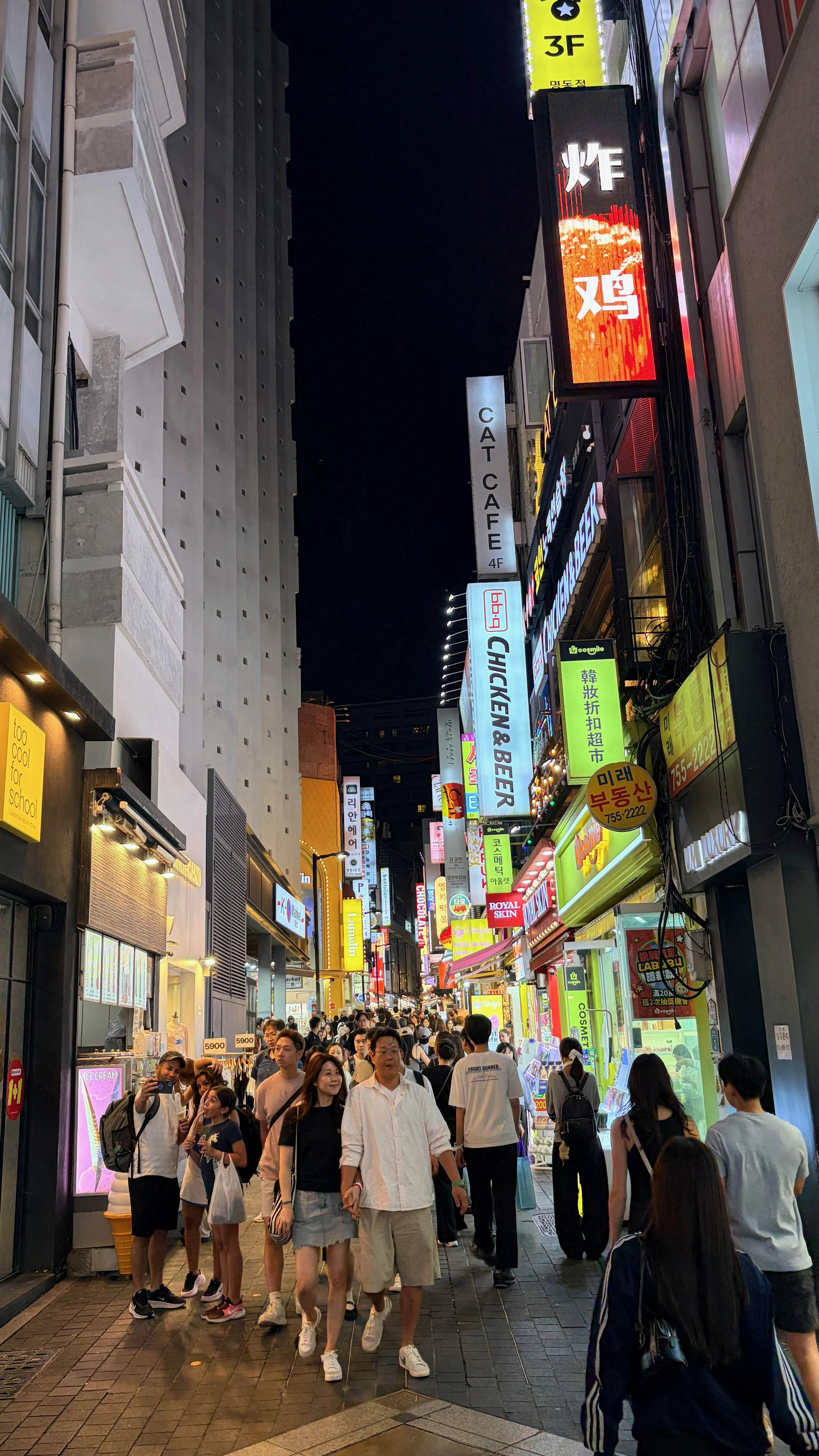
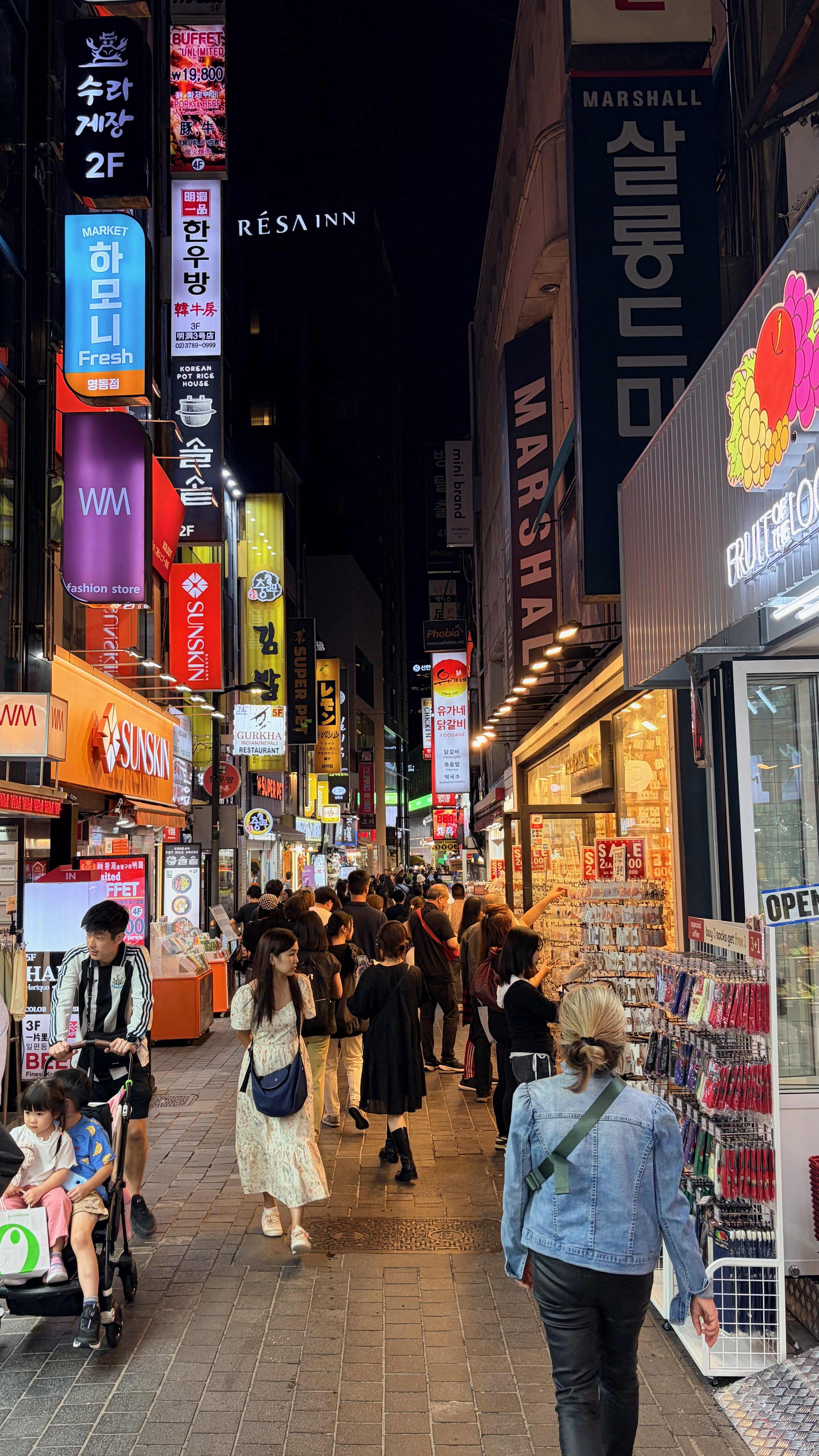
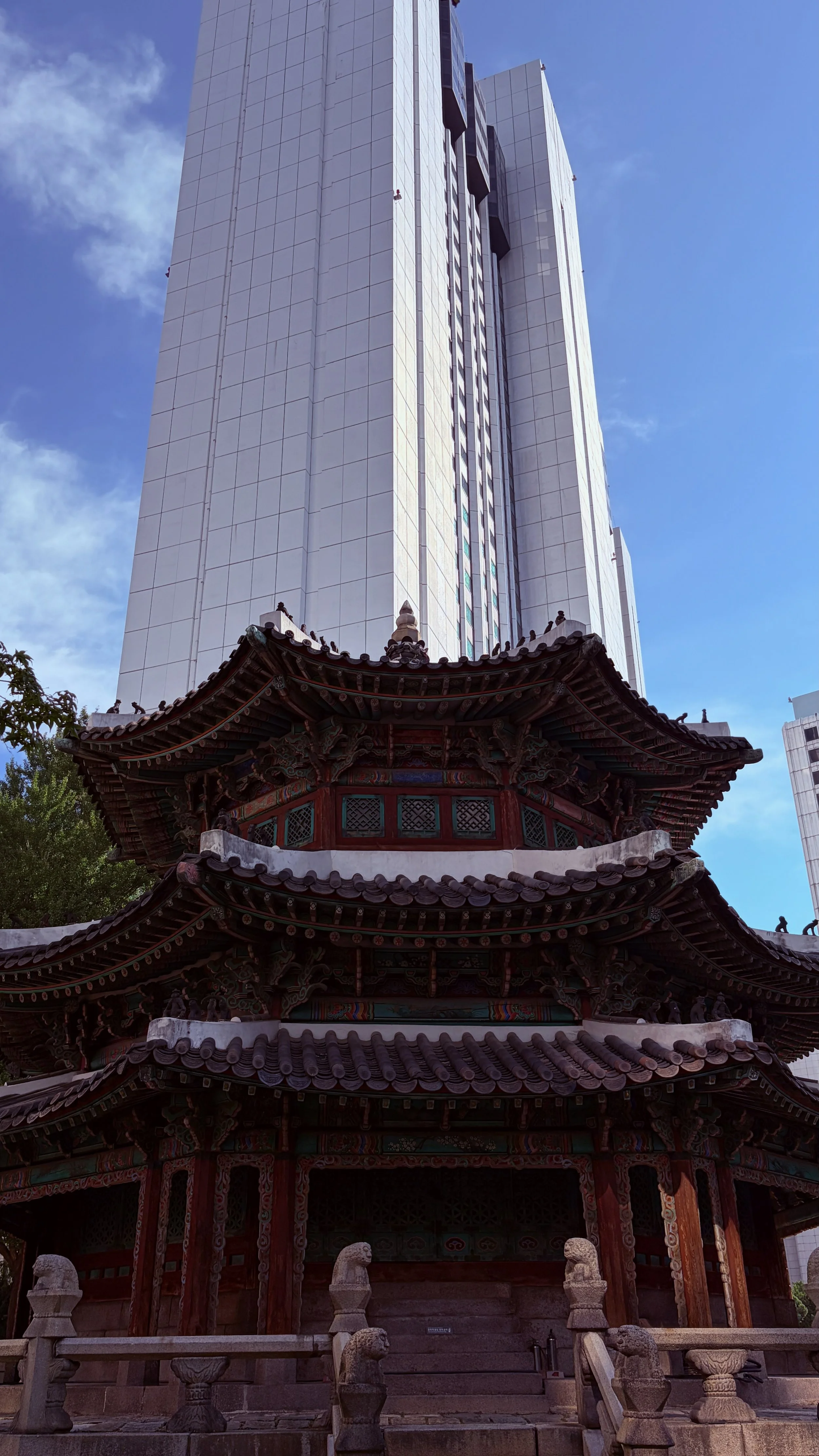
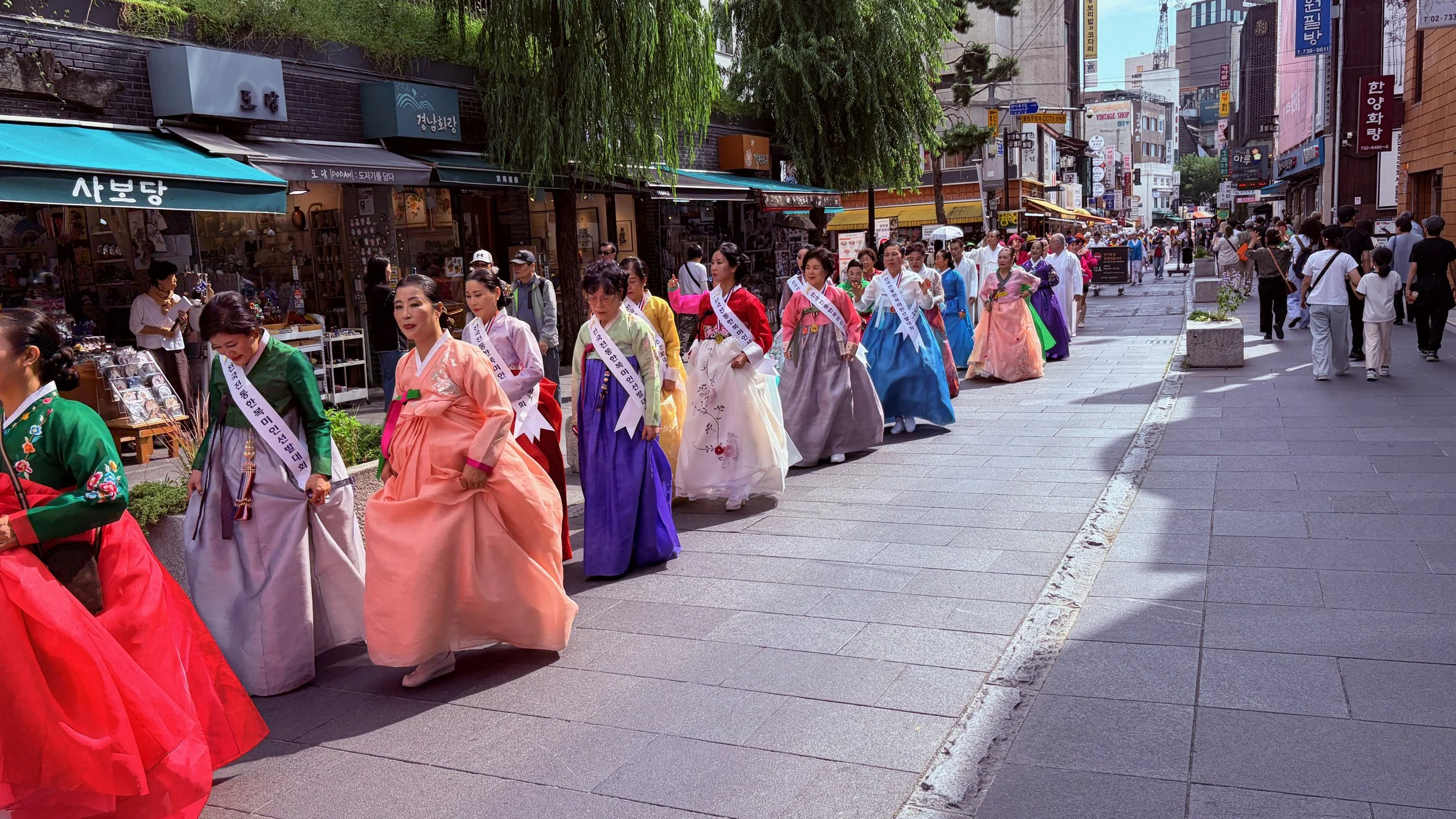
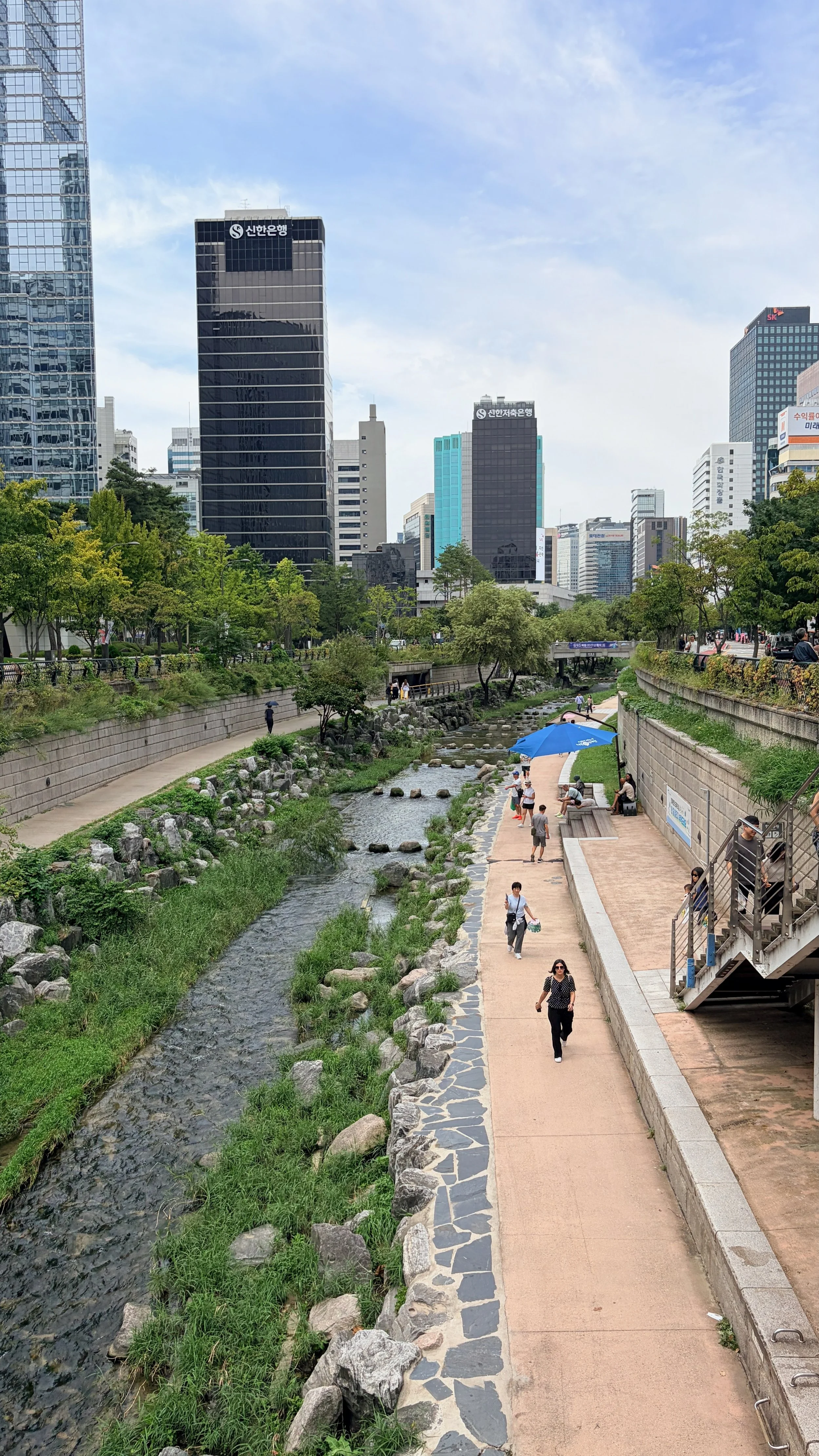
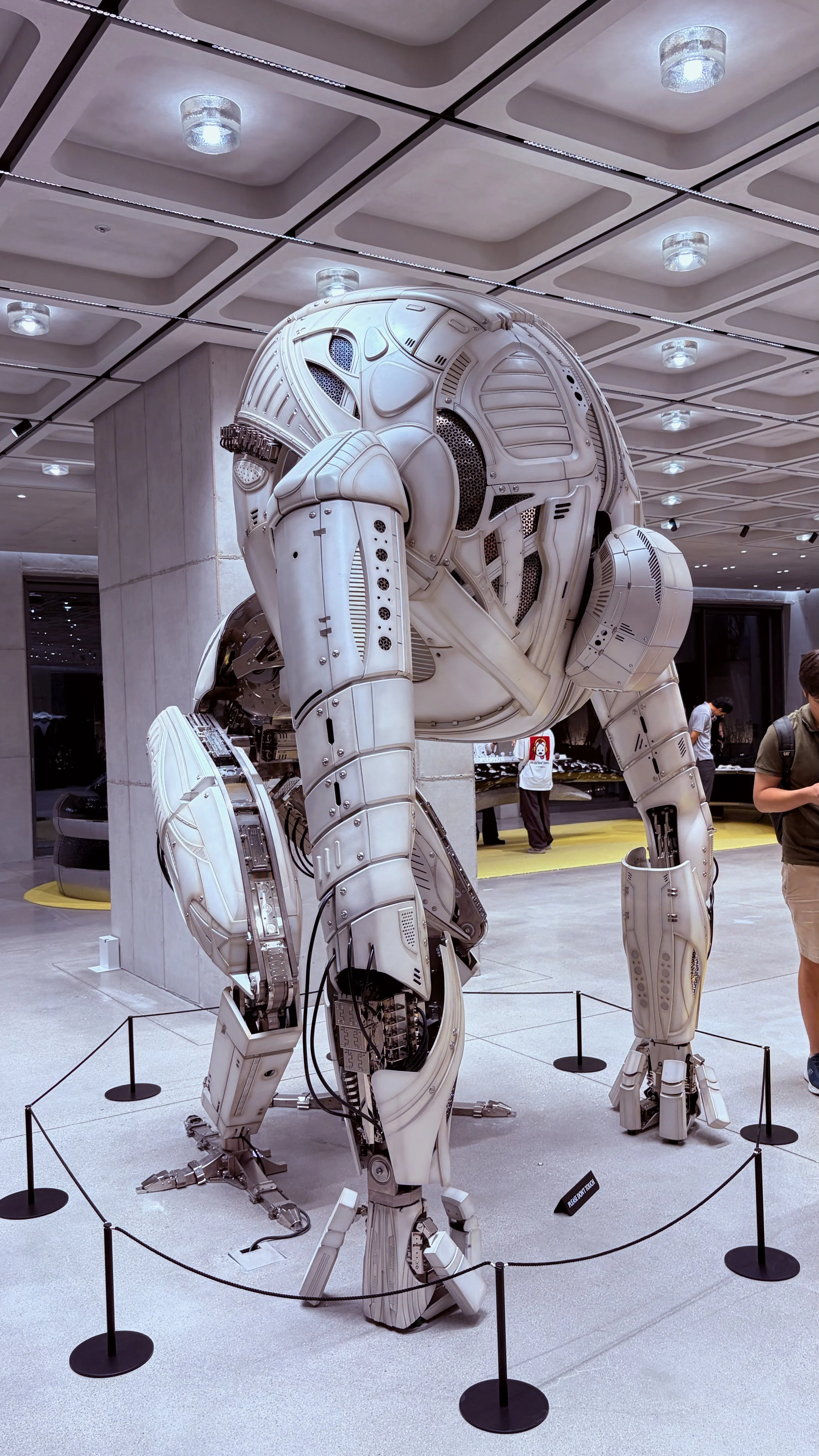
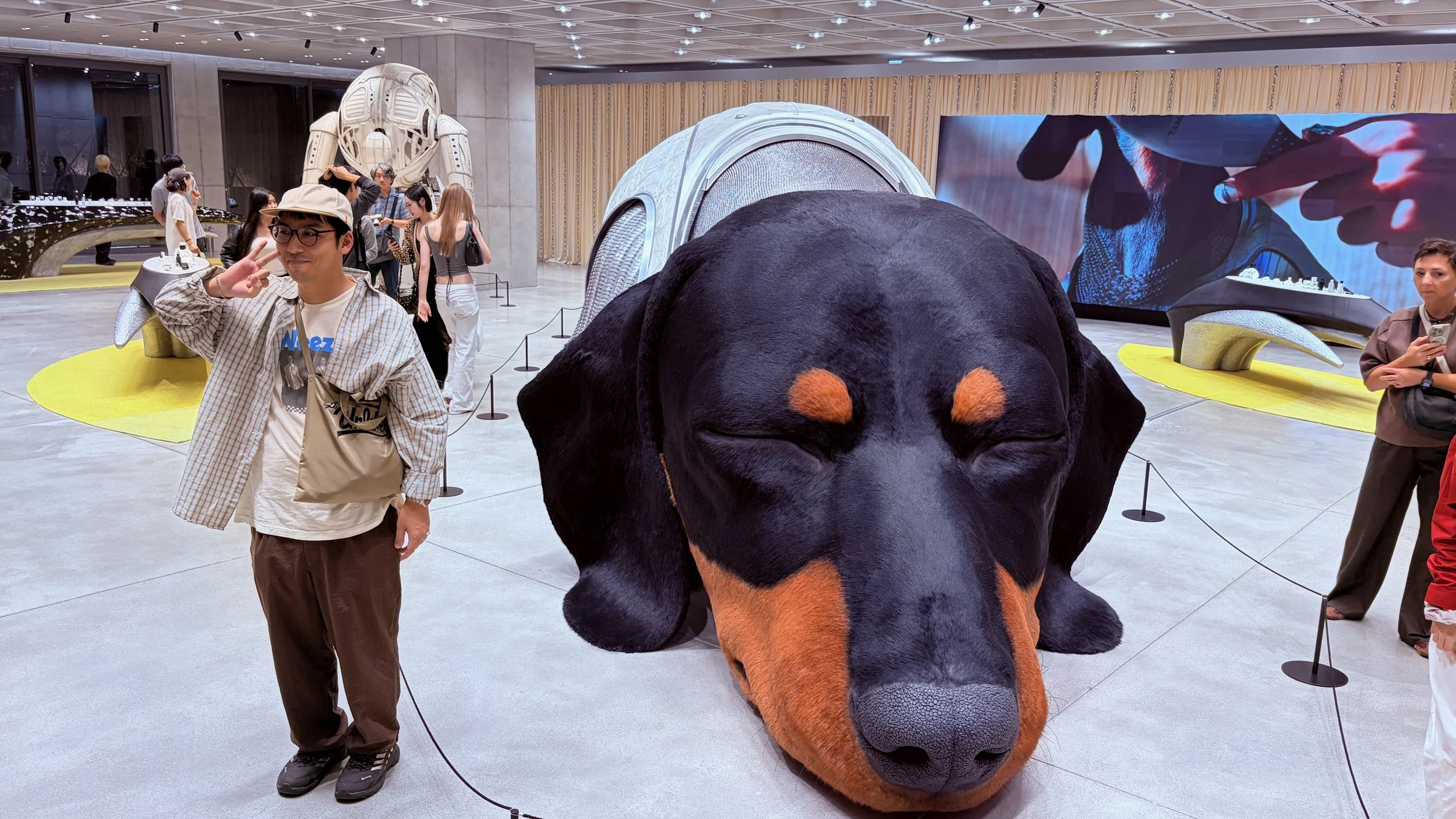
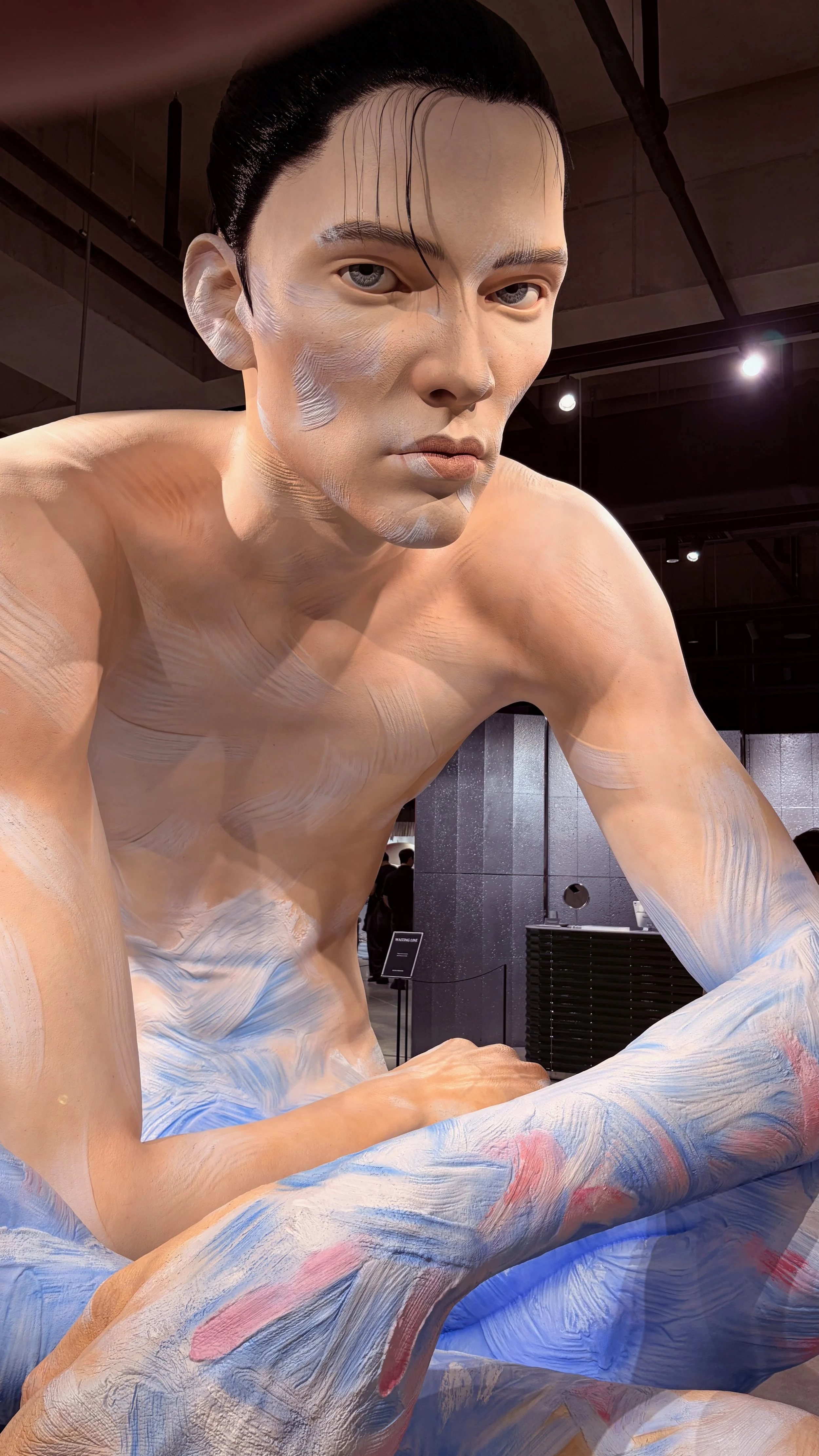
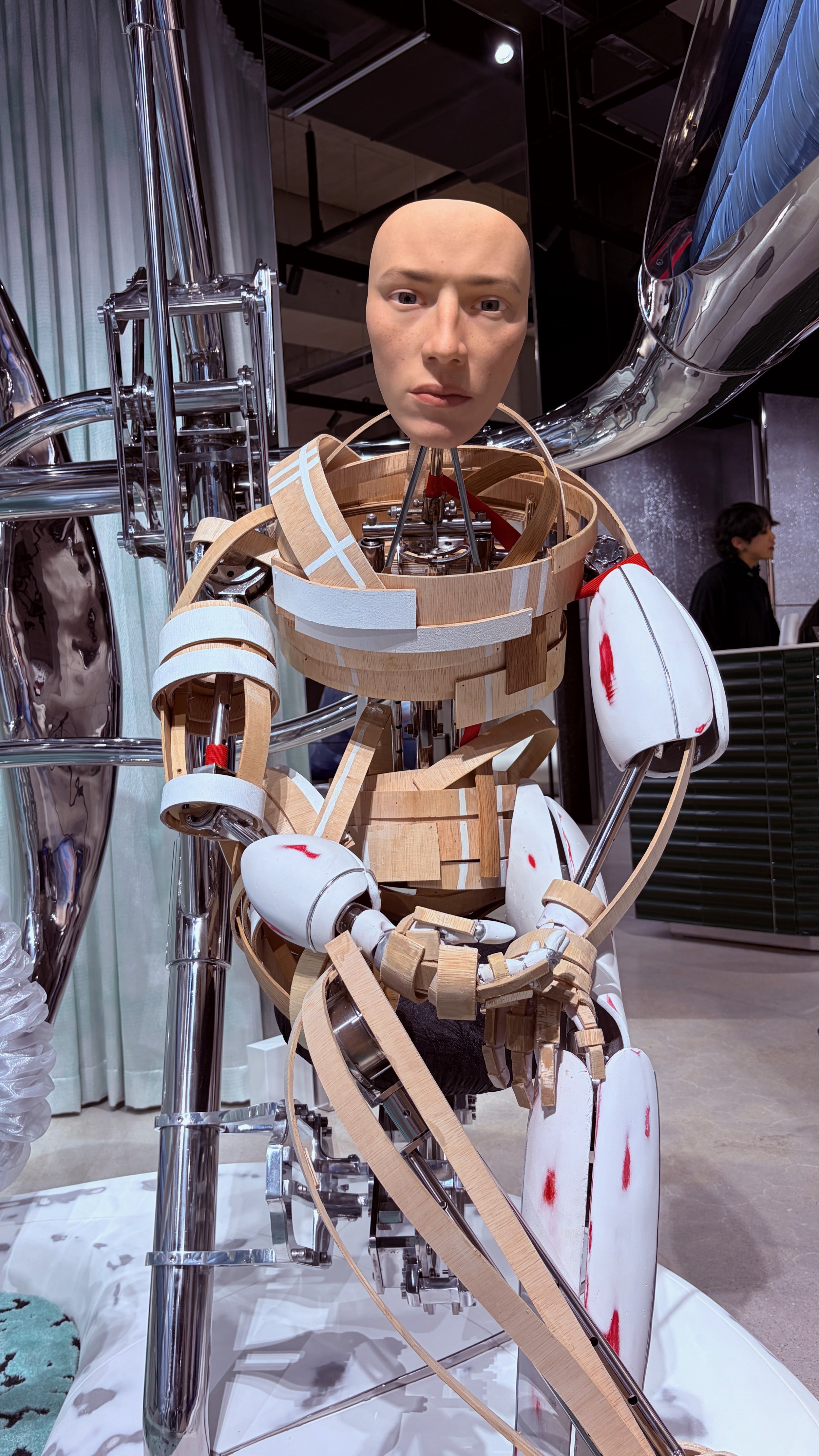
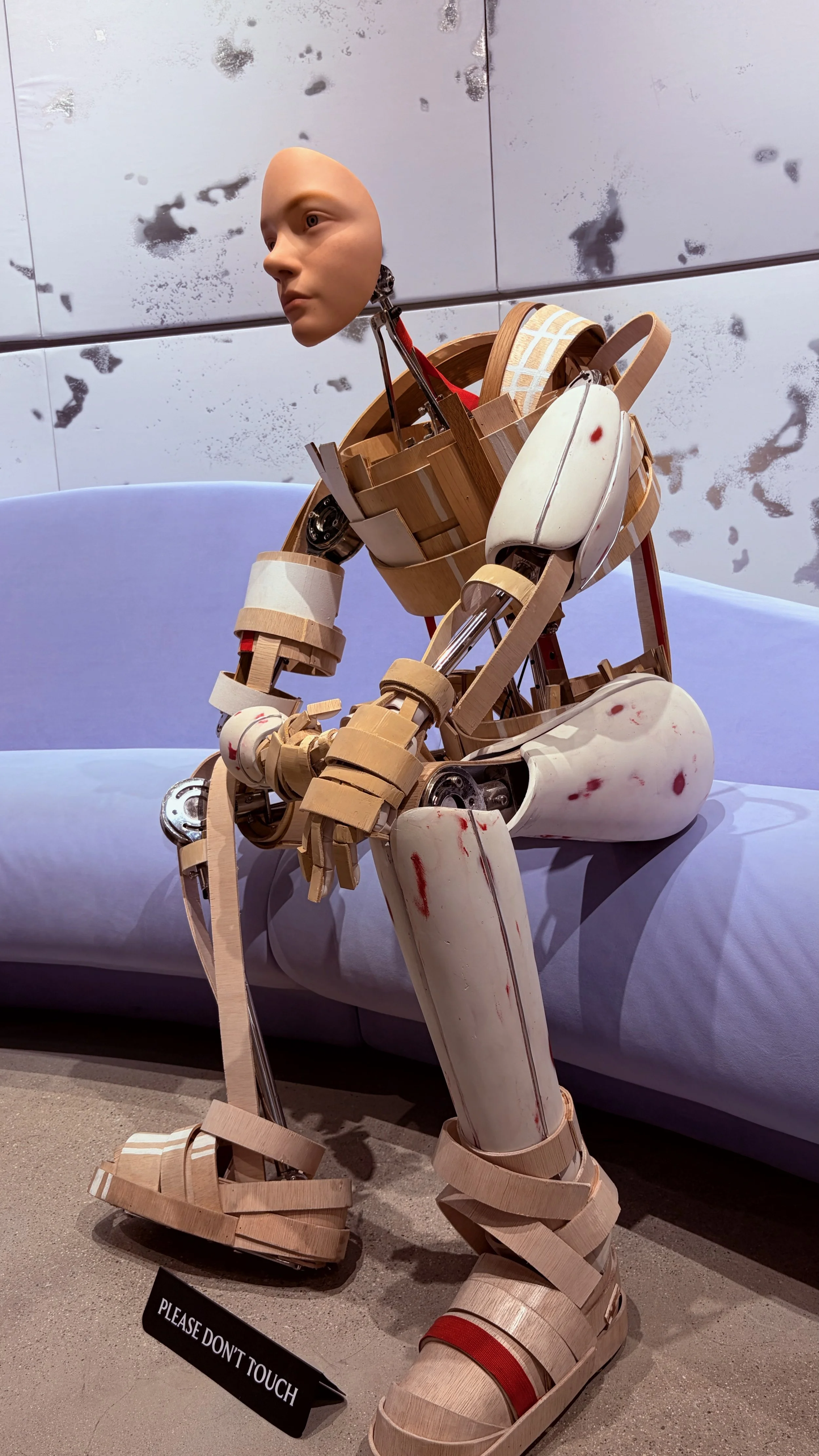
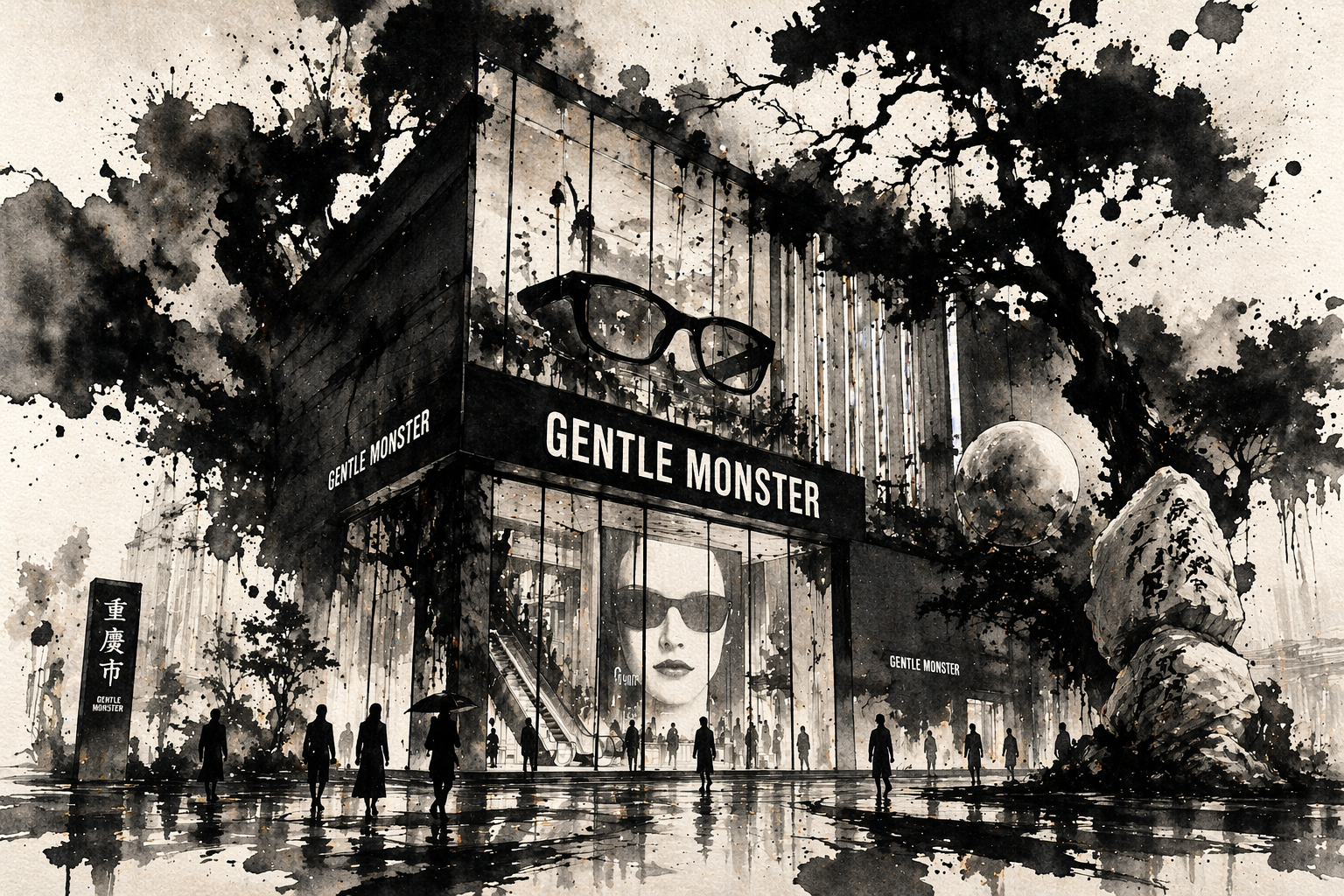
Seoul pulsed with energy—neon reflections on glass towers, endless streams of people, a seamless blend of ancient tradition and hyper-modern ambition. He made his way into the upscale retail district, where design and technology blurred into spectacle. There, he entered the flagship store of Gentle Monster. The space felt more like an art installation than a store. Sculptural robots moved slowly behind glass. Mechanical displays rotated with hypnotic precision. Lighting shifted subtly, guiding attention without a word. It was theatrical. Intentional. Almost… coded.
“Mr. Knight.”
A sharply dressed man approached—mid-thirties, composed, efficient.
“Kim Min-jun,” he said with a slight bow. “Welcome.”
They walked the floor, discussing frames and lenses like two men indulging in luxury. But there was something beneath it—timing, positioning, subtle glances. Then Min-jun paused beside a seamless wall. He pressed his palm lightly. The wall opened. No visible hinge. No seam. Just a quiet shift.
“Please,” he said.
They descended into something else entirely. A hidden lab—clean, precise, humming with advanced systems. Screens flickered with data streams. Prototypes lined the walls—wearables, optics, neural interfaces. This wasn’t retail. This was capability.
“South Korea invests heavily in dual-use technology,” Min-jun said. “Consumer on the surface. Strategic beneath.”
He handed Judd a pair of sleek black glasses.
“They are not what they appear.”
Judd put them on. The world changed. A subtle heads-up display flickered to life—facial recognition markers, environmental overlays, real-time data feeds. A soft tone indicated connection.
“Linked to your systems,” Min-jun said. “Your colleague—Josh—will see what you see. Your AI engine will assist in real time.”
ANNIE.
Judd allowed himself a rare smile. “Now this… this is useful.”
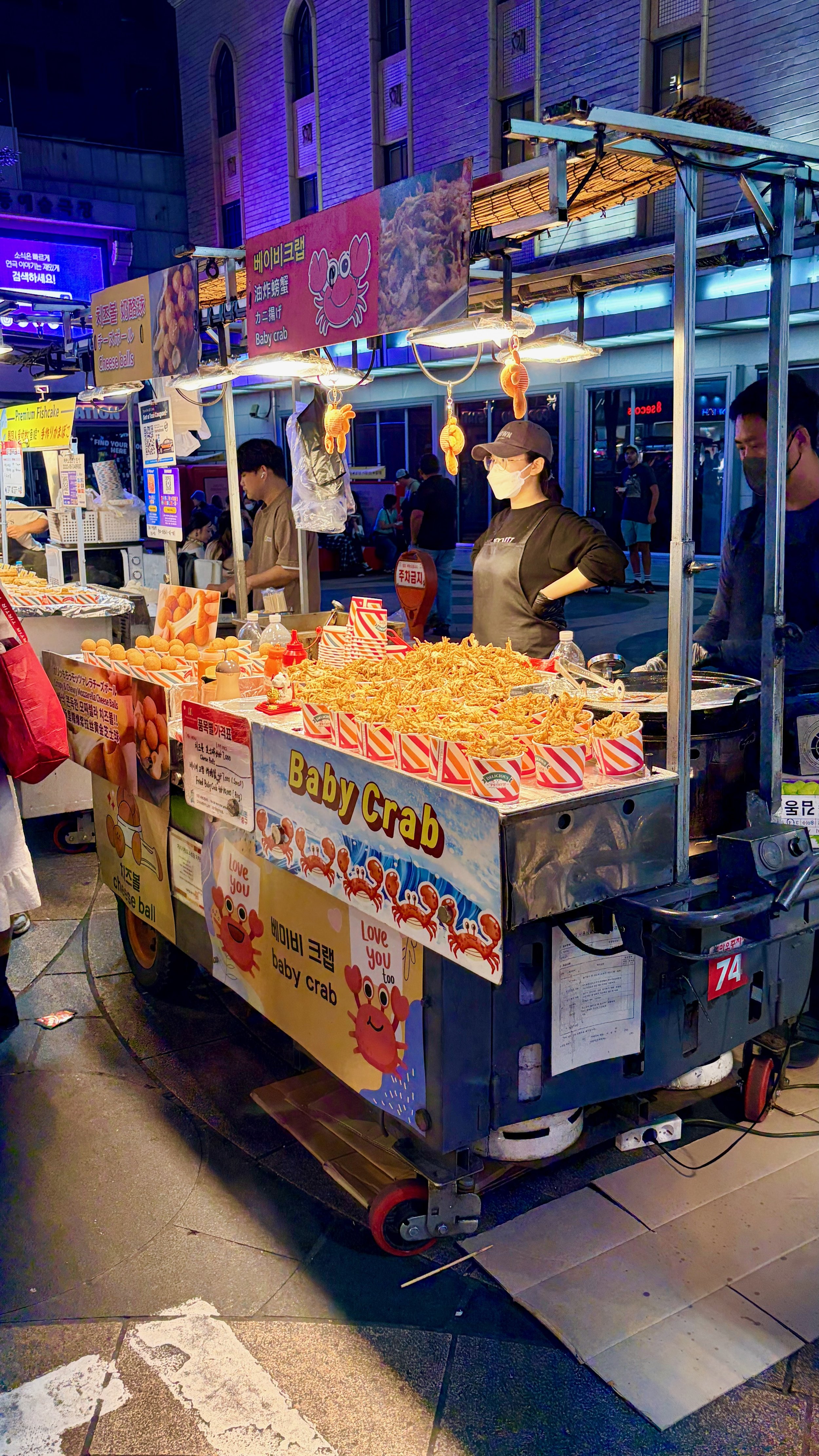
An hour later, Judd stepped back into the Seoul night, the glasses resting lightly on his face, indistinguishable from any other pair. But now he could see. Patterns. Faces. Threats. Connections. He adjusted his jacket and headed down a side street, toward a small Korean fried chicken spot—neon sign flickering, the smell of spice and oil thick in the air. Inside, his contacts were waiting. Men who spoke in whispers about Pyongyang. About rockets. About things that should never be built. Judd stepped inside.
The next piece of the puzzle was about to fall into place.