The Merchant of Tashkent
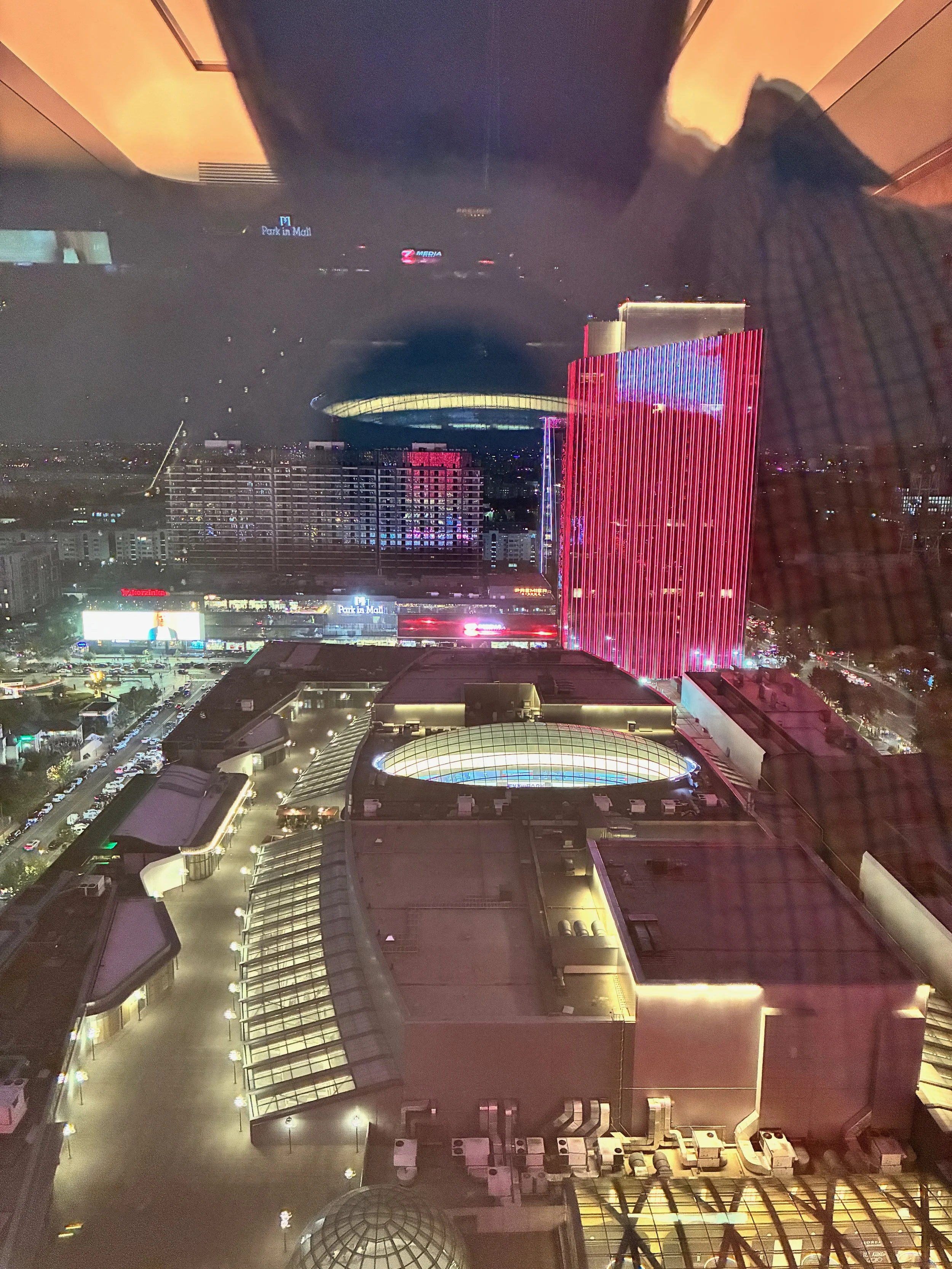
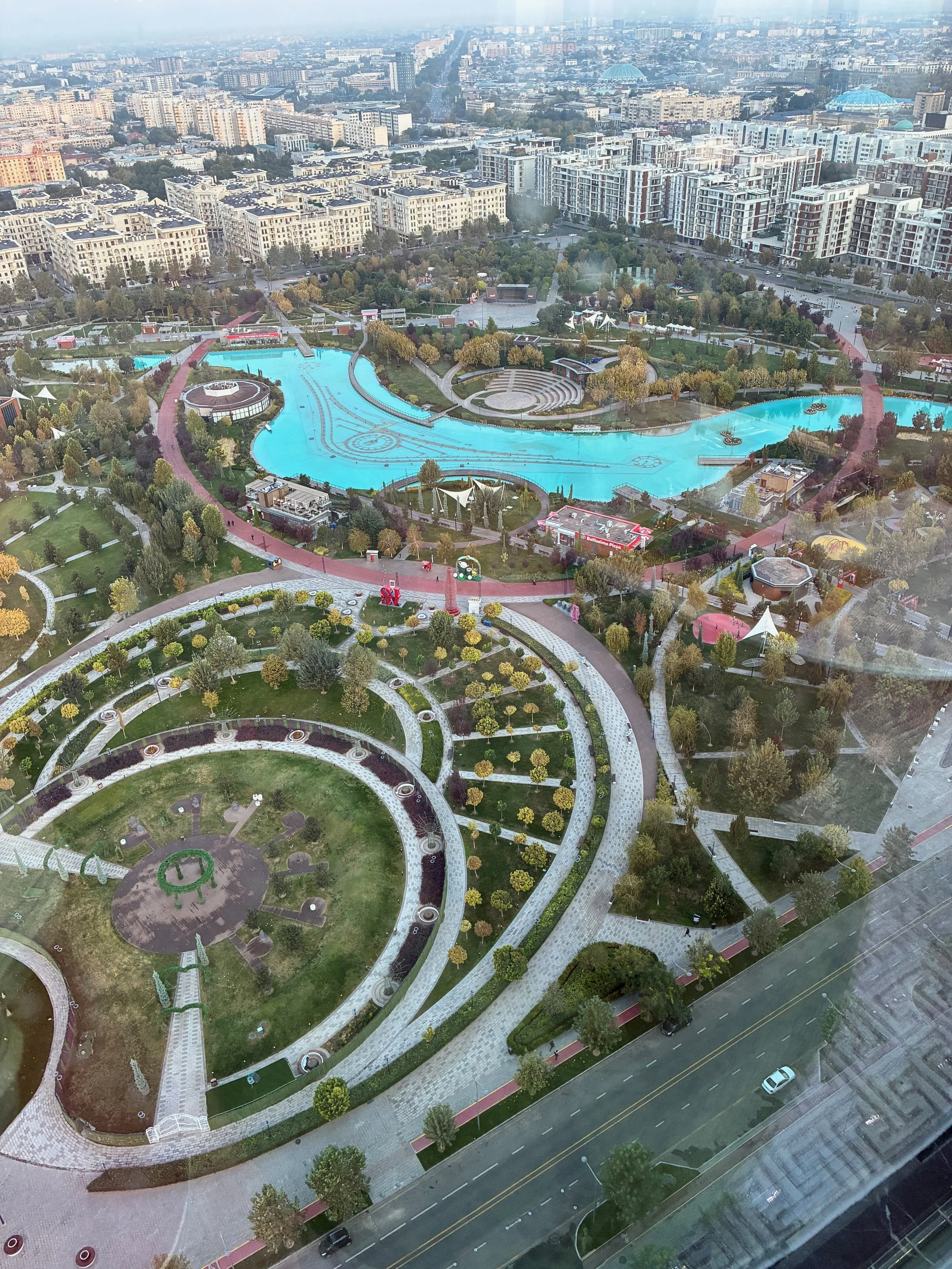
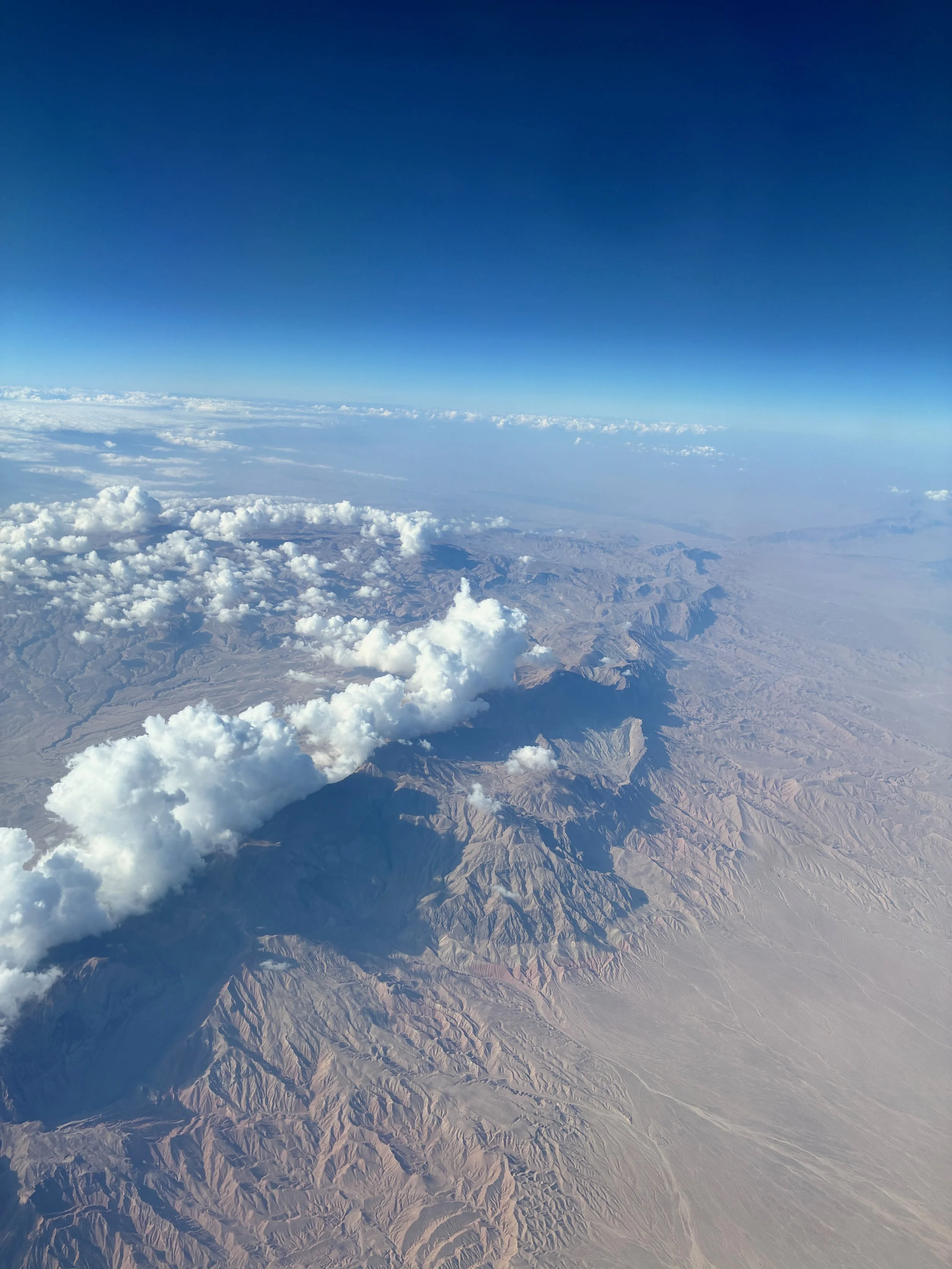
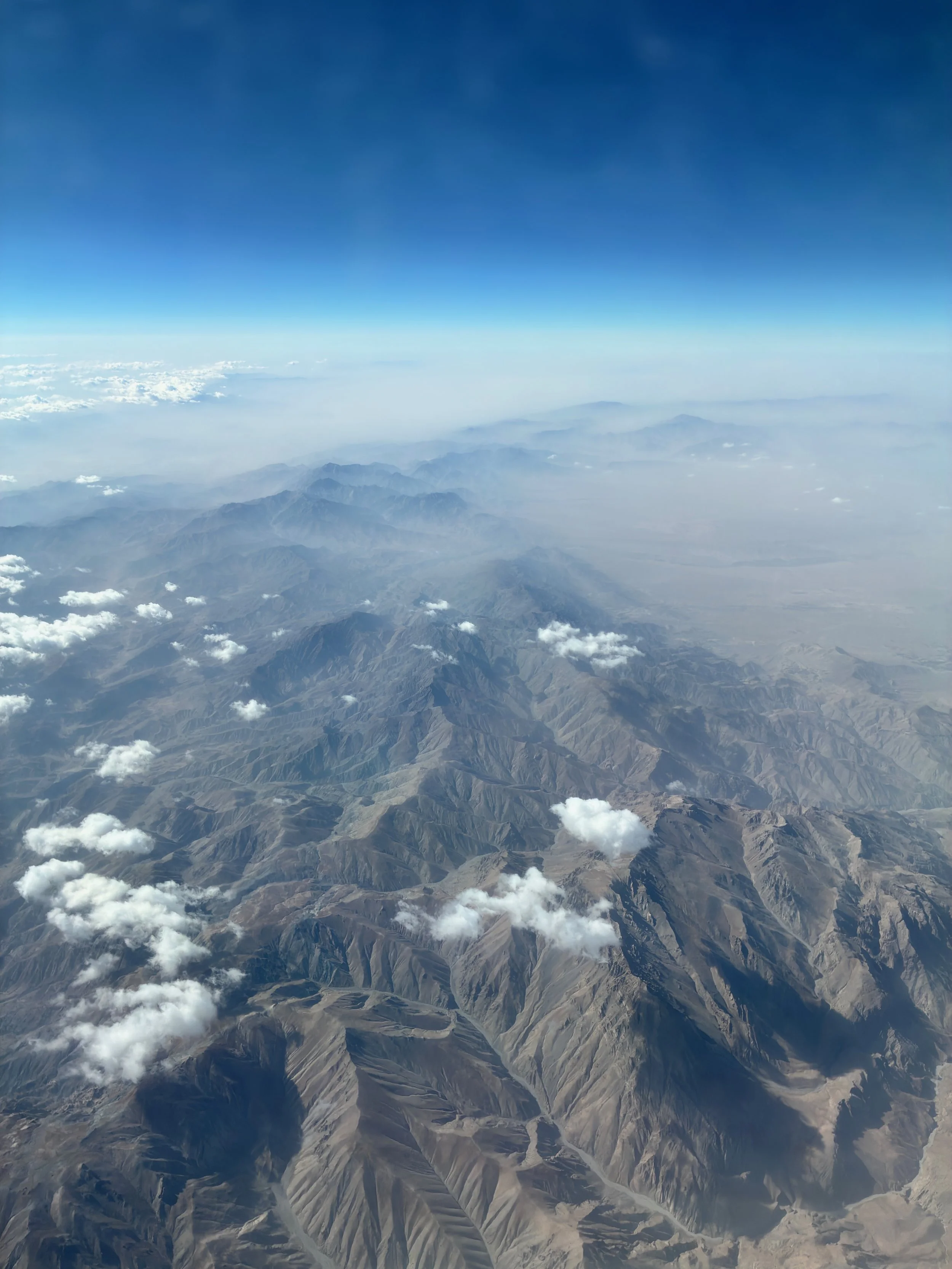
The flight into Tashkent crossed the dry plains of Central Asia before descending toward an unexpectedly green city, its broad avenues, tree-lined boulevards and extensive parks contrasting sharply with the surrounding landscape.
Judd had visited Uzbekistan once before, many years earlier, although his previous trip had been brief and considerably less comfortable, involving a Soviet-era aircraft, a suspicious customs official and a hotel whose plumbing had apparently been installed during the reign of Genghis Khan.
Tashkent had changed enormously since then, emerging as the modern capital of an independent Uzbekistan while retaining the historical character of a city that had occupied an important position in Central Asian commerce for more than two thousand years. Known in antiquity as Chach, the oasis settlement had developed into a trading center along the northern branches of the Silk Road, connecting the great commercial cities of Samarkand and Bukhara with China, Persia and the wider Islamic world.
The Silk Road had never been a single highway, as Judd was fond of reminding anyone unfortunate enough to accompany him through a historical museum, but rather an immense network of routes along which silk, spices, horses, precious stones, scientific knowledge and religious ideas had travelled between civilizations. Uzbekistan occupied a particularly important position within that network, with Samarkand and Bukhara becoming legendary centers of trade, scholarship and Islamic culture, while Tashkent developed as a strategic crossroads between the steppe and the fertile valleys of Central Asia.
The city itself had endured successive waves of conquest, including the armies of Genghis Khan, before eventually falling under Russian control in the nineteenth century and becoming a major administrative center of Soviet Central Asia. Much of its older architecture had been destroyed by the devastating earthquake of 1966, after which Soviet planners rebuilt large sections of the city with monumental avenues, public squares and modernist buildings, creating the unusual mixture of traditional neighborhoods and grand twentieth-century urban planning that Judd could now see from the window of his arriving aircraft.
Waiting for him at the airport was a young Uzbek man in a dark suit, who introduced himself as Timur Karimov and displayed a government identification card with sufficient discretion to suggest that his official responsibilities extended considerably beyond welcoming foreign visitors.
"Mr. Knight, welcome to Uzbekistan. I've been asked to assist you during your stay."
"By whom, exactly?"
"People who would prefer that your visit passes without unnecessary complications."
Judd smiled as they walked toward a waiting sedan. "An admirable ambition, Timur, although I should warn you that complications have an unfortunate habit of finding me."
"So I've been told."
Their journey into the city took them along broad boulevards lined with mature trees and imposing public buildings before arriving at the new JW Marriott, where Judd had reserved a suite. The hotel offered precisely the sort of contemporary luxury he appreciated after a long journey, with elegant interiors, attentive service and comfortable rooms that provided a welcome contrast to his memories of Soviet-era accommodation.
After settling in, Judd changed into his customary brown three-piece suit and spent an hour reviewing the information Annie had assembled about Rustam Bekzodov, the antiquities dealer who supposedly possessed the original manuscript.
Bekzodov's family had traded in manuscripts, ceramics and historical artifacts for generations, although the Soviet period had forced much of their business underground. His grandfather had reportedly acquired several collections from families in Samarkand and Bukhara during the middle of the twentieth century, including a small number of medical manuscripts written in Persian and Arabic.
The dealer himself appeared to be an unremarkable elderly gentleman with an excellent reputation among collectors, although Annie had discovered that several recent inquiries about his holdings had originated from companies linked to Sebastian Wolf.
More troubling was the arrival of a private aircraft associated with Crowder's security organization, which had landed in Tashkent earlier that morning.
"He's getting predictable," Judd remarked as Annie appeared on his laptop.
"Predictability is useful when dealing with dangerous individuals," she replied. "Although I should point out that Crowder has attempted to kill you on several occasions, which suggests that meeting him again would be inadvisable."
"Thank you for the reminder."
"You're welcome. I've also arranged for Timur to remain available should you require assistance."
Judd closed the laptop and looked out across the city, where the evening traffic moved steadily beneath the lights of modern office towers. Somewhere among the older neighborhoods lay a manuscript that might explain why Wolf had become so interested in the ancient world's accounts of longevity, and Judd intended to examine it before Crowder could persuade its owner to part with it.
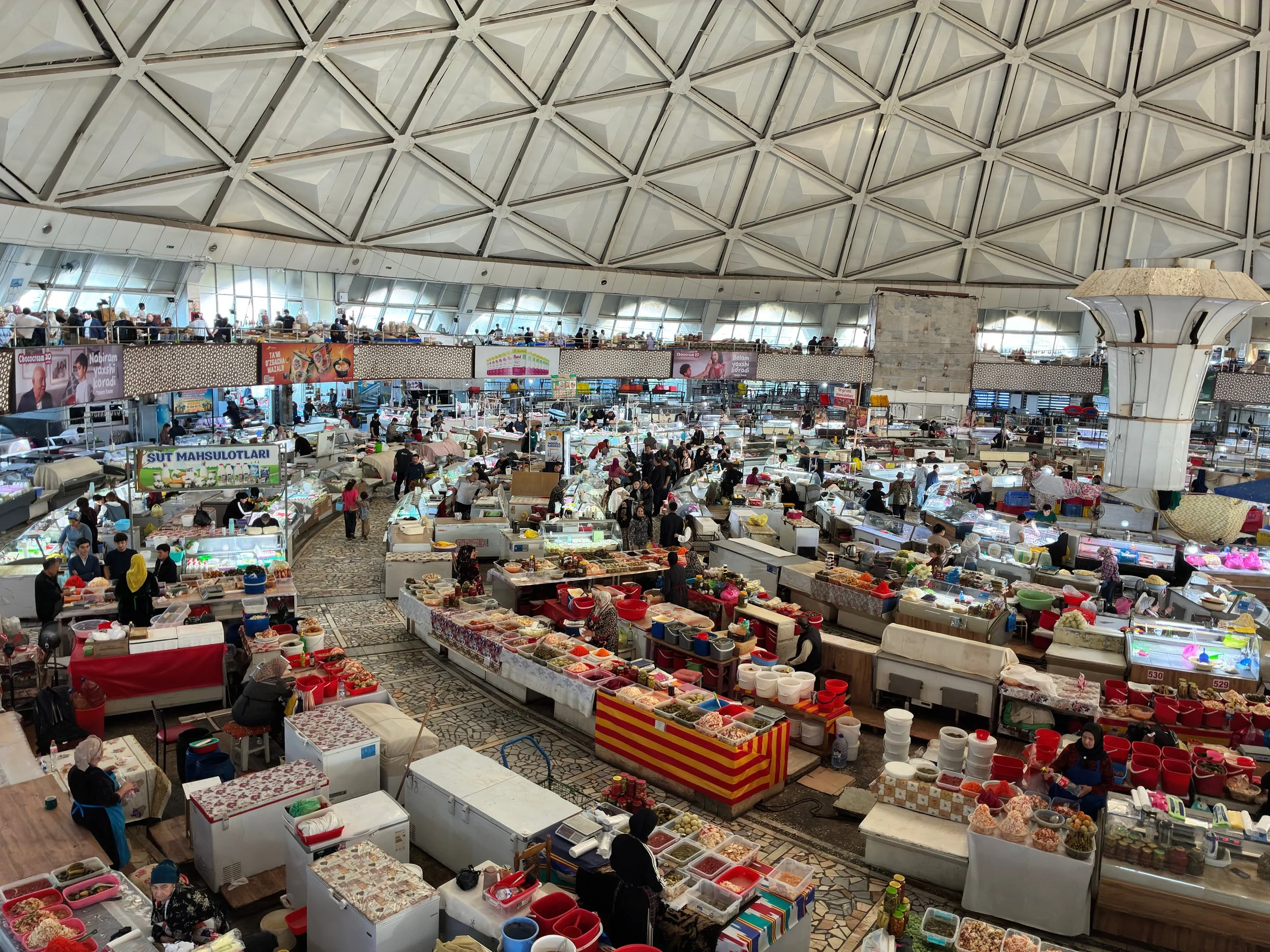
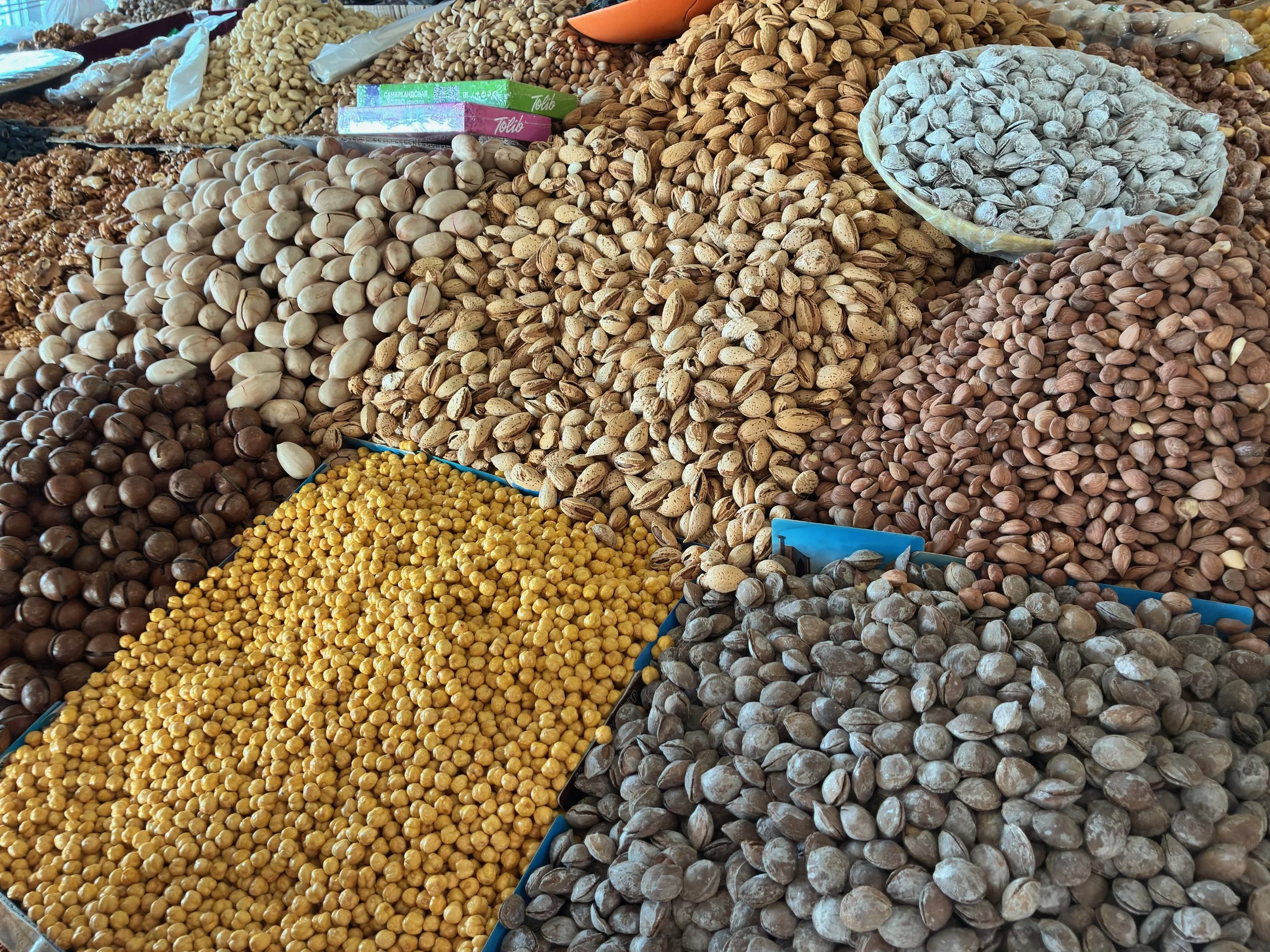
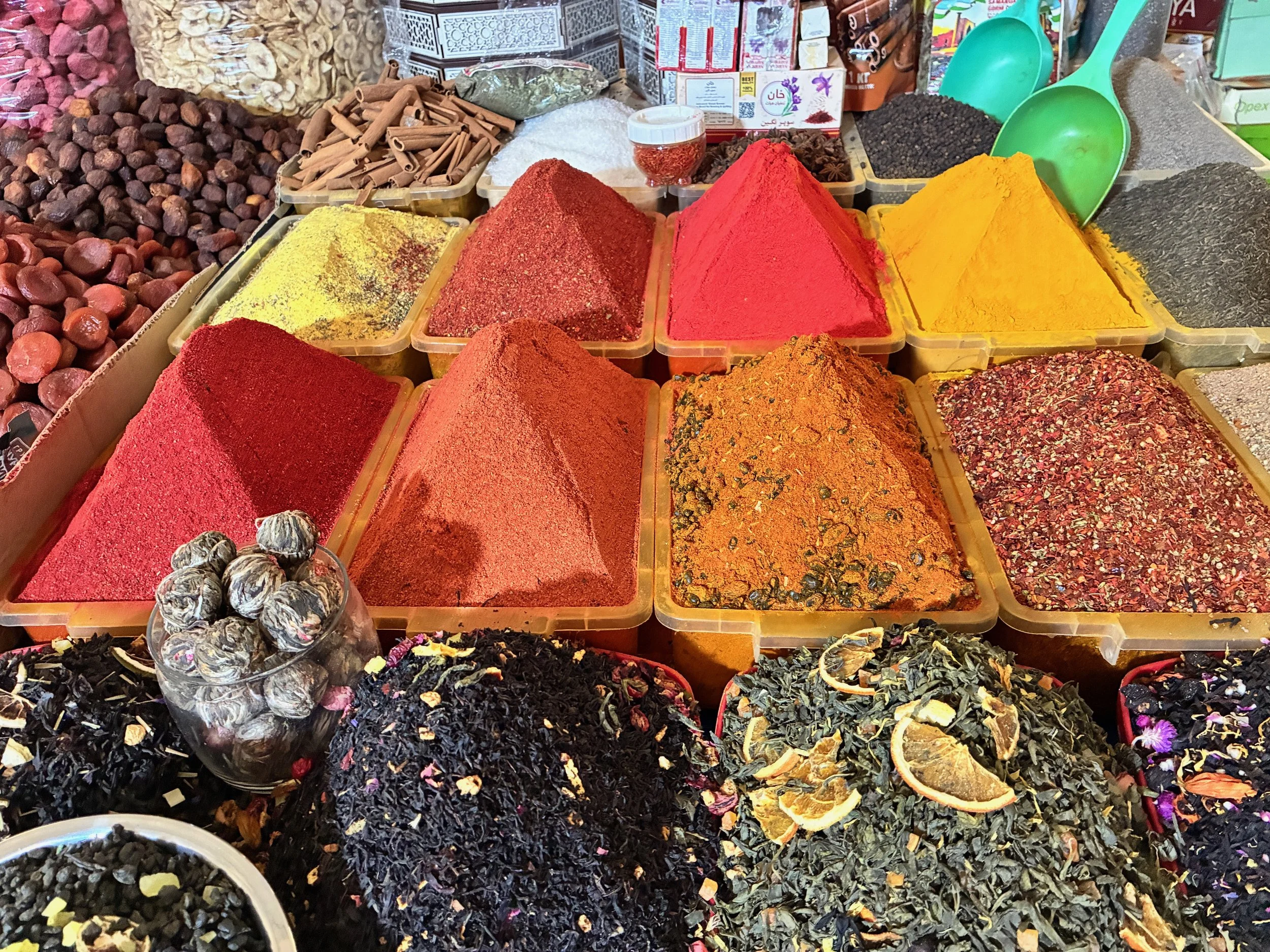
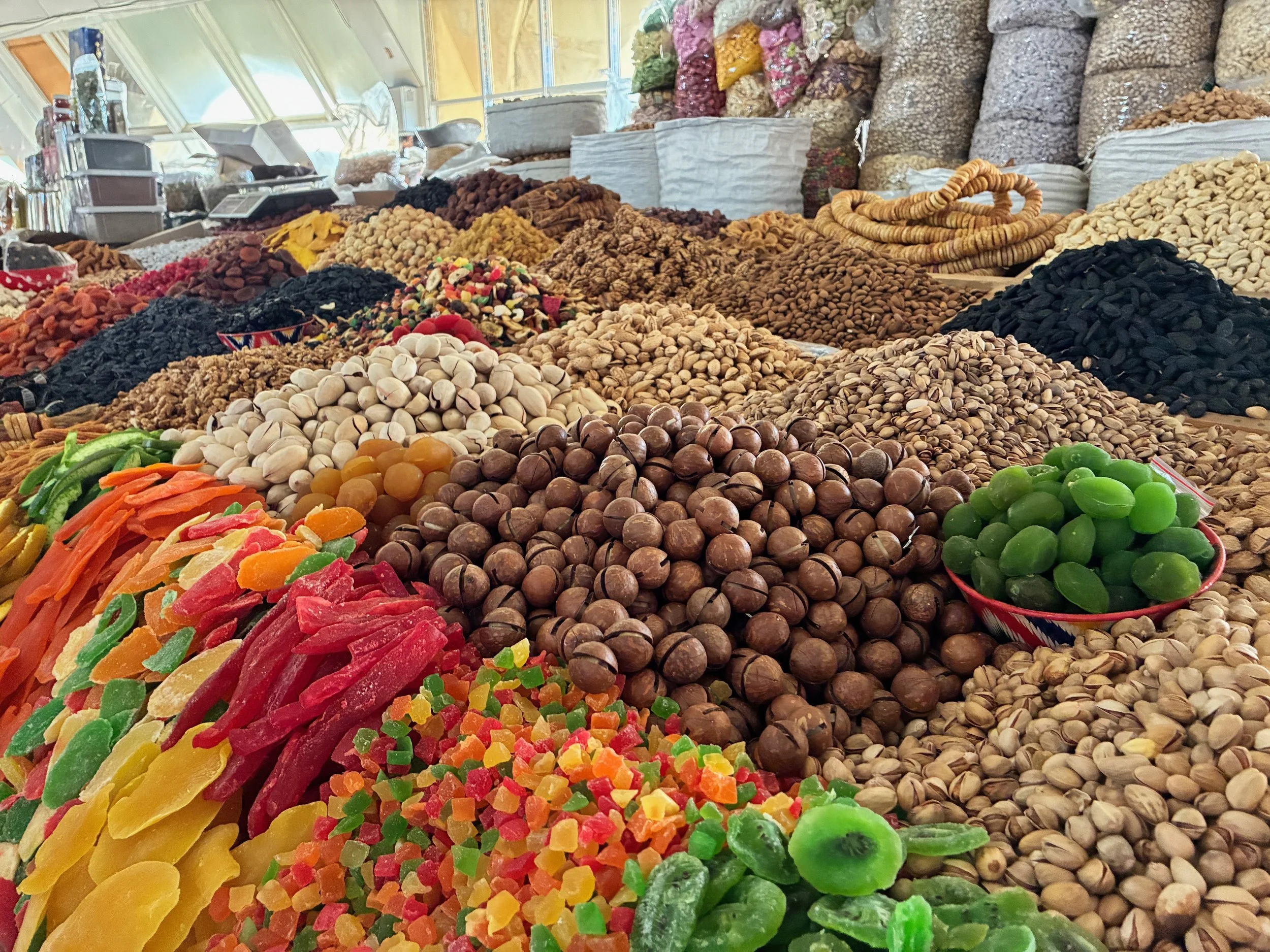
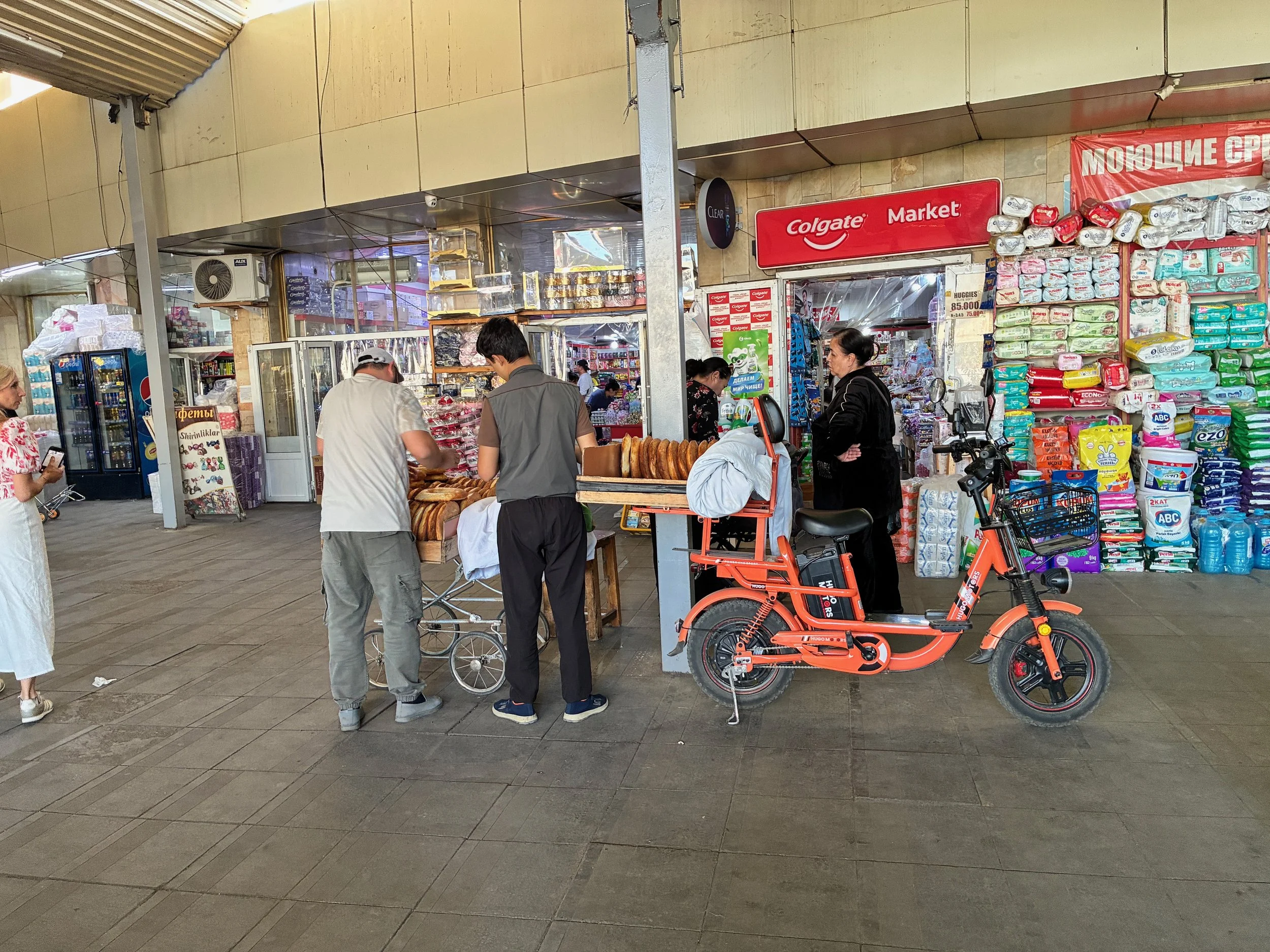
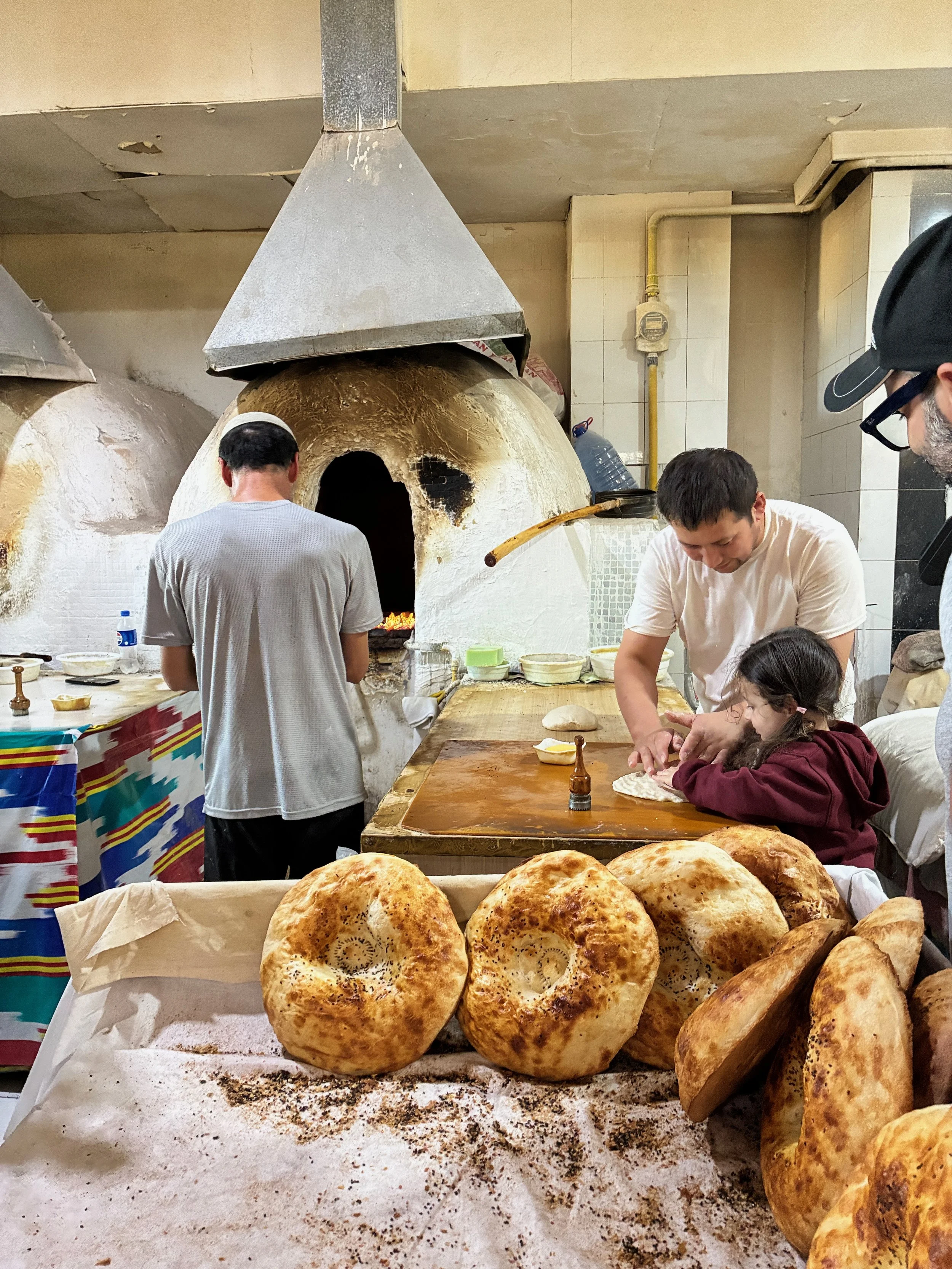
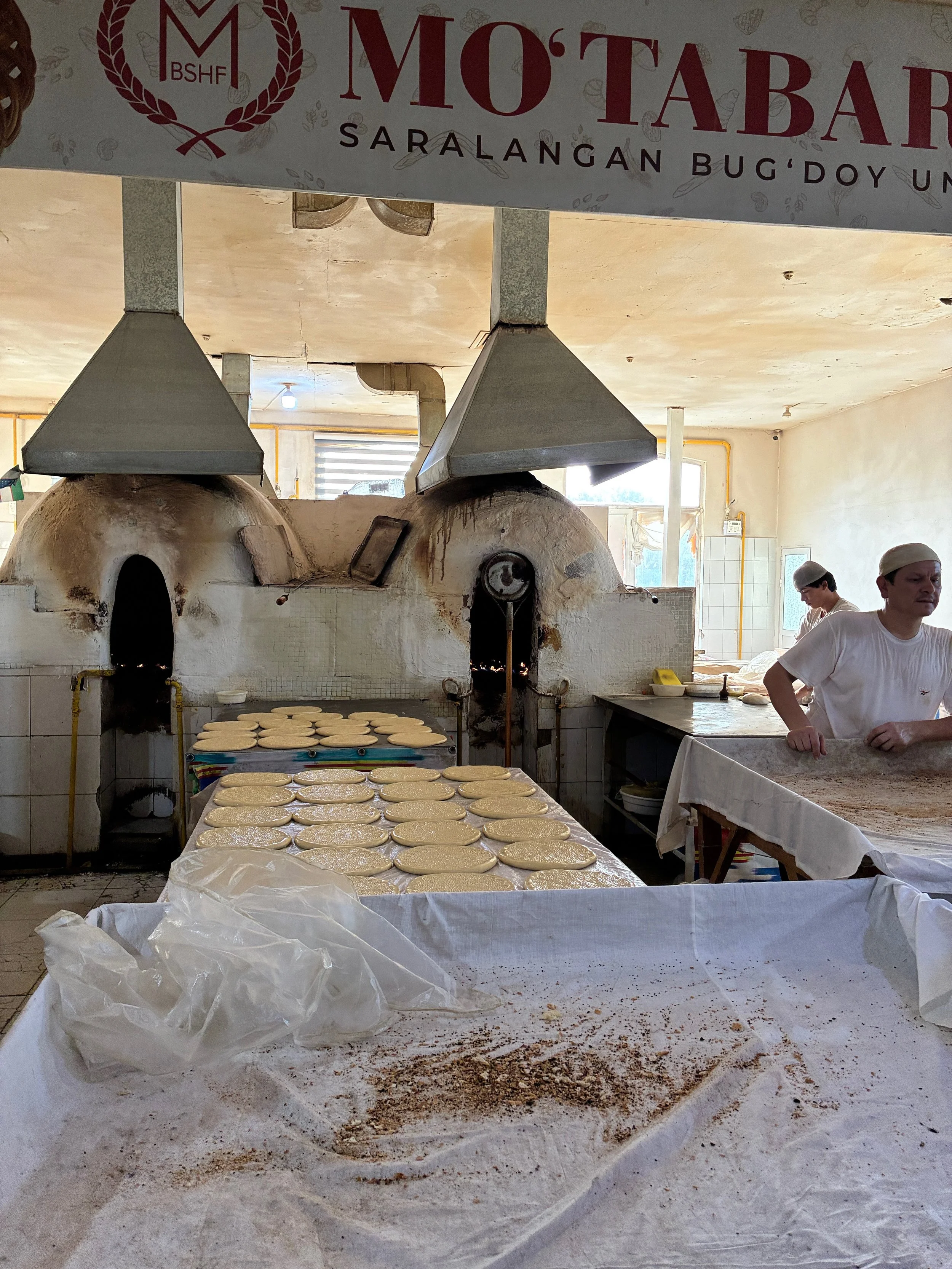
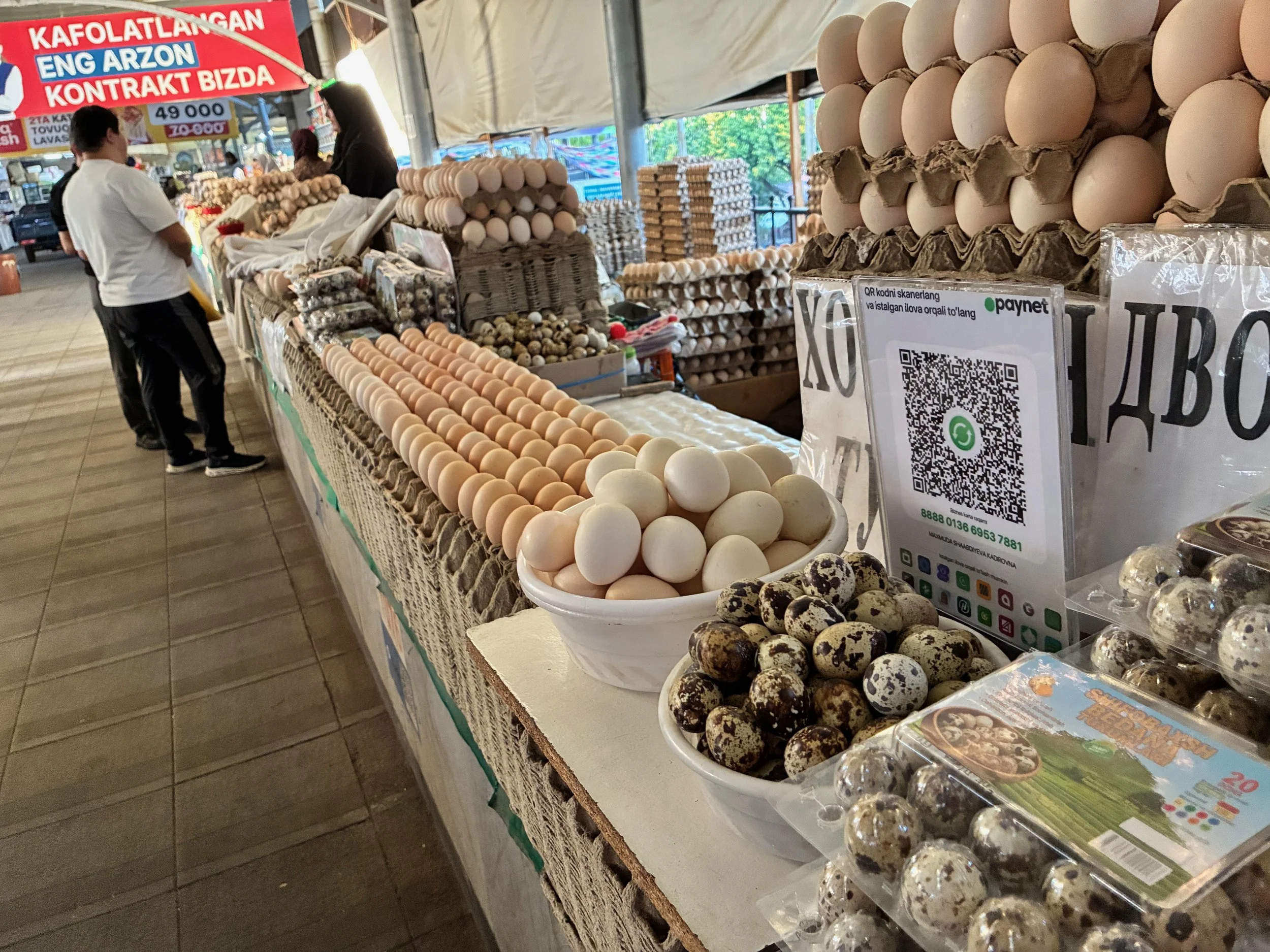
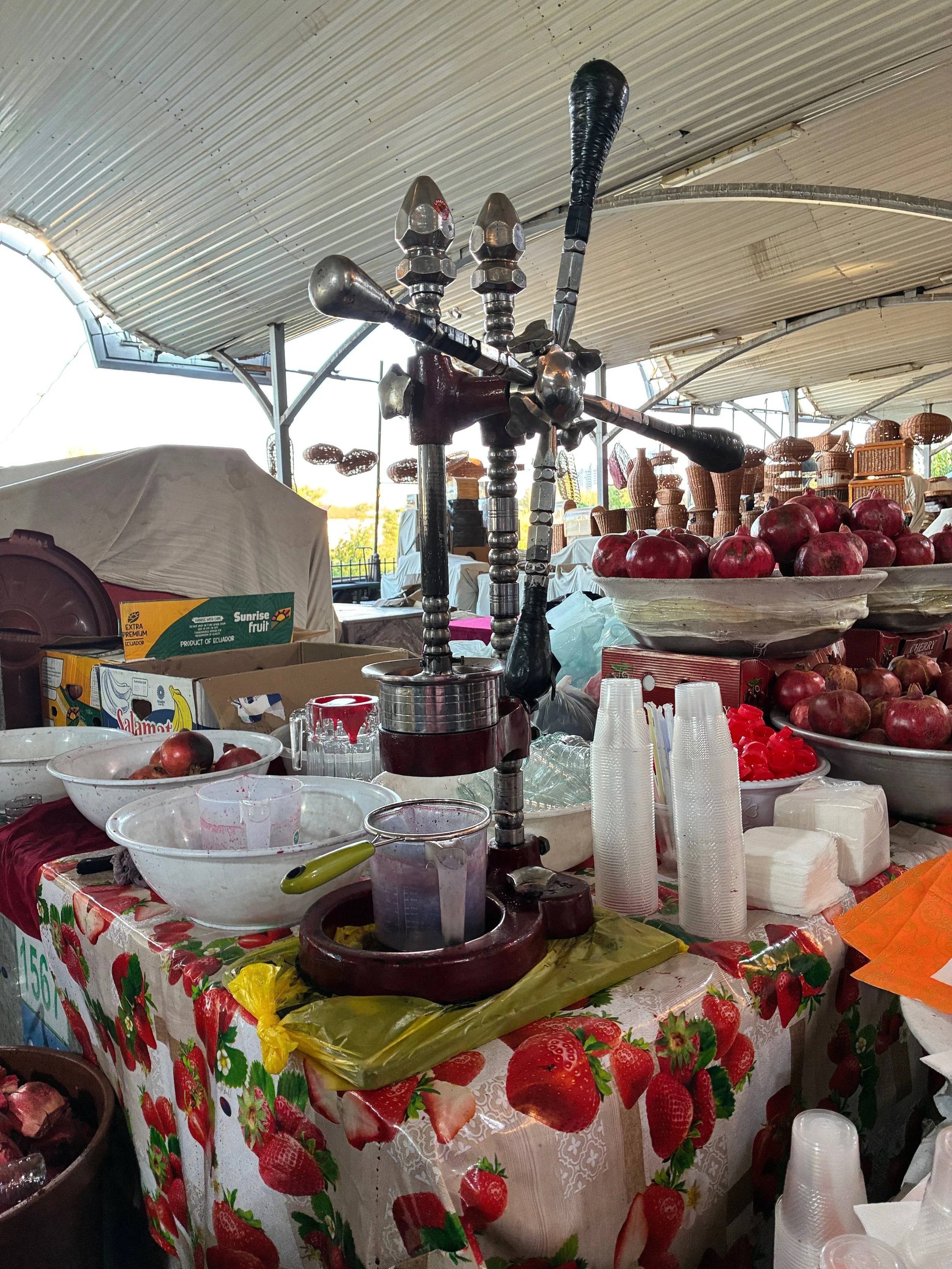
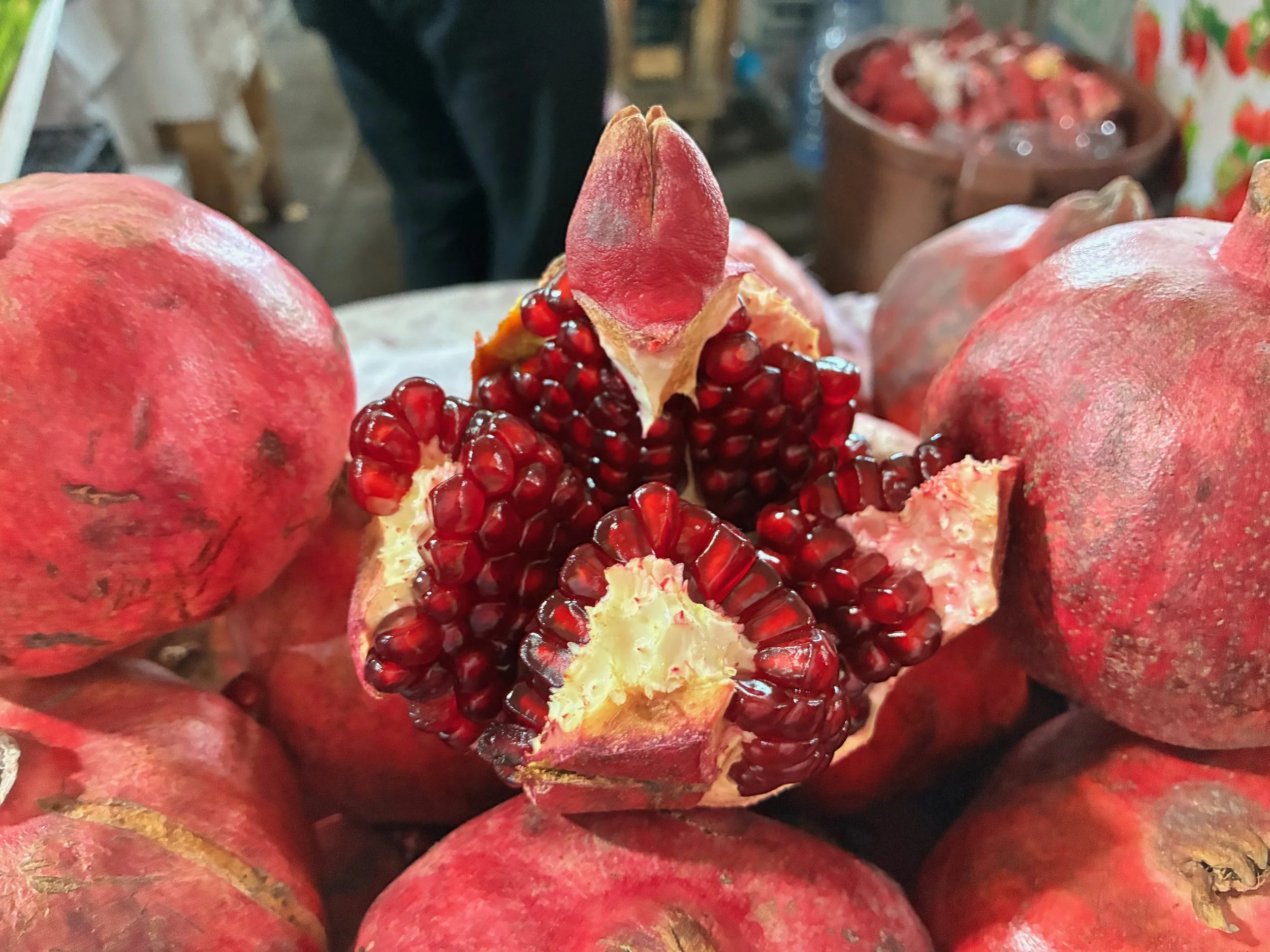
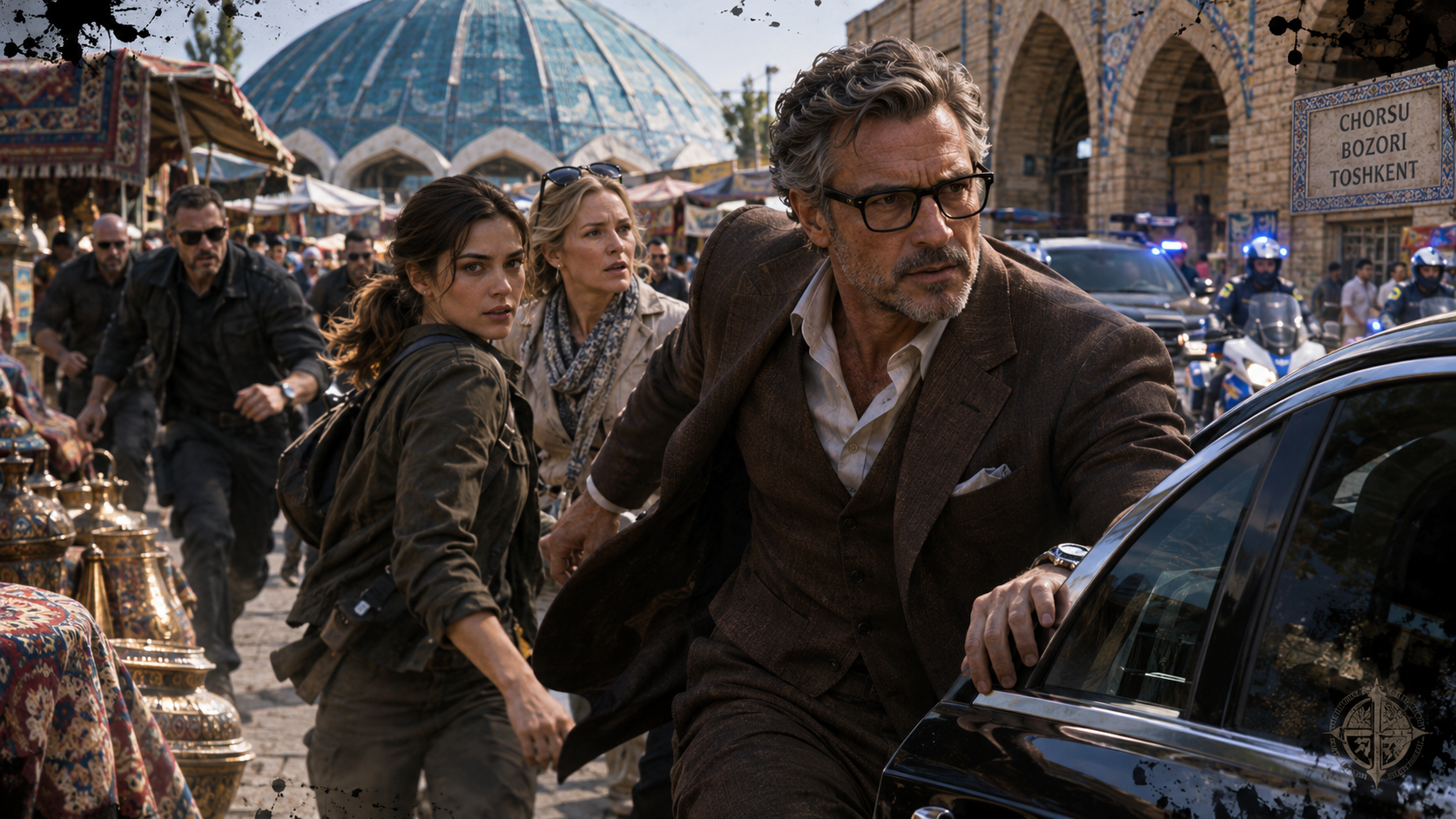
The following afternoon, he made his way to Chorsu Bazaar, one of Tashkent's oldest and most celebrated markets. Beneath its enormous blue dome, traders sold dried apricots, almonds, spices, fresh produce and the traditional round loaves of non bread that appeared at almost every Uzbek meal. Beyond the main market hall, a labyrinth of smaller shops and workshops offered ceramics, embroidered textiles, copperware and antiques, while the surrounding streets echoed with the cheerful disorder of merchants conducting business much as their ancestors had done for centuries.
Judd had always enjoyed markets, partly because they offered a more honest reflection of a country's character than most government buildings, but also because he had learned that the most interesting intelligence was frequently exchanged in places where nobody paid much attention to strangers.
He found Bekzodov's shop in a narrow passage beyond the busiest section of the bazaar, its faded wooden sign advertising manuscripts, antiquities and assorted curiosities. Inside, shelves were crowded with brass instruments, old maps, carved wooden boxes and Soviet-era cameras, while a glass cabinet displayed several beautiful examples of Central Asian ceramics.
An elderly man with silver hair and bright, inquisitive eyes emerged from behind a curtain and greeted him in careful English.
"Mr. Knight, Professor Al-Mansouri said you might come. She also warned me that you were involved in dangerous business."
"Historians have a remarkable talent for exaggeration," Judd replied, shaking his hand. "Although I must admit that the professor is usually rather accurate."
Bekzodov laughed and invited him into a small room at the rear of the shop, where a wooden table stood beneath a hanging lamp. After offering tea, he unlocked an old cabinet and carefully removed a narrow wooden case wrapped in faded blue cloth.
Inside lay a parchment manuscript, its edges darkened with age and its surface covered in lines of Persian script, accompanied by several diagrams that appeared to have been added by different hands over the centuries.
Judd immediately recognized the circular symbol from the photographs shown to him in Doha, but it was the diagram beneath it that caught his attention, a pair of intertwined serpents whose resemblance to the familiar double helix of DNA was sufficiently striking to make him pause, even though he knew perfectly well that the image could have represented any number of traditional medical or religious symbols.
"Where did your family acquire this?"
"My grandfather purchased it from a family in Samarkand during the Soviet period. They claimed their ancestors had served physicians attached to caravans travelling eastward, although I have no way of verifying the story."
Bekzodov adjusted his spectacles and began translating several passages, explaining that the manuscript described a preparation intended to preserve vitality and restore the body's natural powers of renewal. The first two components were relatively conventional by medieval standards, involving a mineral salt collected from mountains and an extract obtained from a desert plant, but the third was considerably more mysterious.
"The manuscript describes something already present within the body, Mr. Knight, a dormant quality that must be awakened before the preparation can work. It uses language that might refer to the spirit, the blood or some internal force that the physician believed governed life."
"And what happens when it's awakened?"
"According to the text, the body remembers how to renew itself."
Judd leaned forward, studying the parchment with renewed interest. The phrase was remarkably similar to descriptions found in Wolf's research notes, where scientists had discussed the possibility of activating dormant genetic mechanisms associated with cellular repair and biological regulation.
"Does the manuscript mention the Polo family?"
"Not in the original passage, but there is a later annotation describing two Venetian merchants who received the preparation while travelling through Central Asia. Professor Al-Mansouri believes it may refer to Marco Polo and his uncle Maffeo, although the evidence is hardly conclusive."
Bekzodov carefully turned the parchment and pointed to a final passage written in a slightly different hand.
"This is the section that concerns me, Mr. Knight, because it suggests that the preparation did not affect everyone in the same way. Some individuals supposedly experienced renewed vitality, while others became unusually susceptible to the commands of another person."
Judd felt an unpleasant tightening in his stomach. Wolf's ambition to manipulate dormant genetic sequences had always extended beyond medical research, and the Order had already uncovered evidence that his scientists were developing biological methods of suppressing independent thought and altering human behavior.
If the manuscript described even a primitive observation of a similar phenomenon, it might explain why Wolf was searching so obsessively through ancient medical records.
"May I photograph it?"
Bekzodov nodded reluctantly, and Judd began taking detailed images with his phone, transmitting them through an encrypted connection to Annie for comparison with the material recovered from Seoul and South Africa.
He had just finished photographing the final page when the sound of a vehicle braking sharply outside the shop interrupted their conversation. Through the narrow window overlooking the passage, Judd saw a black SUV pull up beside the entrance, its doors opening almost simultaneously as three men climbed out. Two were broad-shouldered and dressed in dark civilian clothes, their movements betraying the unmistakable discipline of professional soldiers, while the third was a larger figure with a familiar scar above his eyebrow and the permanently unpleasant expression of a man who had spent much of his adult life intimidating people.
Crowder.
Judd had been expecting him, although he would have preferred another ten minutes to examine the manuscript.
"Mr. Bekzodov, I think we're about to have some rather unwelcome visitors," he said, slipping the parchment into its protective sleeve. "Is there another way out of this building?"
The dealer pointed toward a narrow doorway behind the cabinet, and Judd had barely moved toward it when Crowder's voice echoed through the shop, demanding to know where the American had gone.
Judd pushed Bekzodov toward the rear exit, reassuring him that the manuscript would be returned, before turning just in time to see one of Crowder's men entering the room with his hand beneath his jacket. Judd seized a heavy brass astrolabe from a nearby shelf and hurled it across the room, striking the man squarely in the shoulder and sending him crashing backward into a display of copper trays.
The resulting noise was magnificent.
Judd disappeared through the rear doorway and sprinted along a narrow service alley, scattering pigeons and nearly colliding with a young man pushing a cart stacked with melons. Behind him came the sound of Crowder shouting orders, followed by hurried footsteps and the unmistakable metallic clatter of a weapon being drawn.
Emerging into the crowded market, Judd ducked beneath a hanging carpet and pushed through a group of startled shoppers before taking refuge behind a concrete pillar as a gunshot cracked through the afternoon air. A ceramic bowl shattered against the wall beside him, sending fragments across the pavement and provoking an immediate chorus of angry shouting from nearby traders.
"Really, Crowder?" Judd called over his shoulder. "In the middle of a market?"
Another shot answered him, and Judd decided that further discussion would be unlikely to improve the situation.
Spotting a narrow staircase leading to an elevated storage walkway, he bounded upward two steps at a time and emerged above the crowded market, where he could see the great blue dome of Chorsu rising beyond the rooftops. Crowder and his men were forcing their way through the crowd below, and Judd knew that the narrow passageways offered only temporary protection, particularly if the pursuing men managed to reach their vehicle.
"Annie, I've found Crowder," he said into his earpiece while running toward a metal staircase on the opposite side of the building.
"Technically, Judd, I believe Crowder has found you."
"Your powers of observation are extraordinary. Where's Timur?"
"Approximately ninety seconds away. I've already sent him your location."
"Tell him to make it sixty."
Judd vaulted over a low wall and landed on the roof of an adjoining market building, where a bullet struck the parapet behind him and showered his jacket with fragments of plaster. He continued across the rooftop, descended a narrow staircase and emerged onto a busy road where traffic was moving slowly through the afternoon congestion.
For a moment he thought he had lost his pursuers, but then a black SUV appeared at the far end of the street and accelerated toward him, mounting the curb and scattering pedestrians as its driver attempted to cut off his escape.
Judd threw himself behind a parked delivery truck just as the vehicle struck a stack of plastic crates, sending oranges bouncing across the pavement. He rolled beneath the truck's rear bumper and emerged on the opposite side, where he found himself facing a line of stationary taxis whose drivers were shouting furiously at the unfolding chaos.
Then, above the noise of horns and angry voices, came the unmistakable sound of police sirens.
A dark government sedan swept into view, escorted by two police motorcycles with flashing blue lights, and before the vehicle had fully stopped, its rear passenger door swung open to reveal Timur leaning across the seat.
"MR. KNIGHT! GET IN!"
Judd needed no encouragement. He sprinted across the pavement, vaulted over the bonnet of a stationary taxi and threw himself into the rear seat, pulling the door shut just as the driver accelerated hard into the opening created by the escort motorcycles.
Behind them, Crowder's SUV attempted to follow, but a police vehicle swung across the road and blocked its path, leaving the furious mercenary shouting at officers who appeared entirely unimpressed by his objections.
Judd watched through the rear window as the distance between them widened, and with a broad grin he gave Crowder a cheerful wave before settling back into the leather seat.
"Timur, I must say, this is considerably better than the usual taxi service."
The young Uzbek glanced at him with a mixture of amusement and disbelief.
"You seem to know that man rather well, Mr. Knight."
"We've had our disagreements."
"Business?"
"Mostly philosophical, although he does tend to express himself with firearms."
The government sedan accelerated along one of Tashkent's broad boulevards, its police escort clearing a path through the traffic with flashing lights and authoritative gestures. Cars pulled aside as the convoy swept through intersections, passing landscaped parks, modern office buildings and imposing government architecture, while Judd finally had an opportunity to catch his breath and examine the protective sleeve containing the manuscript.
"Where would you like to go?" Timur asked.
"The airport, if you don't mind. I believe I've exhausted the local hospitality."
Timur smiled and spoke briefly into his radio, after which the driver changed lanes and headed toward the airport road.
Annie's voice sounded in Judd's earpiece a few minutes later, informing him that his luggage had already been collected from the JW Marriott and that his onward travel arrangements were being finalized.
"There's something else, Judd. I've compared your photographs with the material recovered from Wolf's Seoul laboratory, and the circular symbol appears in one of their research files."
"Are you certain?"
"Yes, although the interpretation is rather disturbing. Wolf's scientists describe the mechanism as a biological activation sequence, but the accompanying notes suggest that it may not simply awaken dormant genetic functions. It may determine which individuals respond beneficially and which become susceptible to neurological manipulation."
Judd looked down at the manuscript in his lap, recalling the professor's warning in Doha and the strange accounts of longevity he had heard in South Africa.
"So Wolf isn't merely trying to make people live longer."
"That would appear to be only one part of his research. The documents suggest he's interested in distinguishing between individuals who might benefit from the treatment and those whose behavior could be controlled by it."
Judd stared through the window at the passing city, contemplating the implications of a technology capable of dividing humanity into those who might enjoy extended lives and those who could be manipulated into obedience.
It was precisely the sort of ambition that would appeal to Sebastian Wolf, a man who had never been particularly troubled by the distinction between scientific progress and personal power.
"Annie, send everything to Cindy and Ava. I want the Seoul team examining those sequences immediately, and tell Brock that Crowder is operating in Uzbekistan."
"Already underway. There's also a message from our contact in Bengaluru."
Judd raised an eyebrow. "India?"
"Apparently they've discovered another manuscript that may be connected to the same historical tradition, although this one describes something considerably more complicated than a medicinal preparation."
"How complicated?"
"The preliminary translation refers to a device designed to alter the human body."
Judd looked at the parchment again.
"Well, that sounds encouraging."
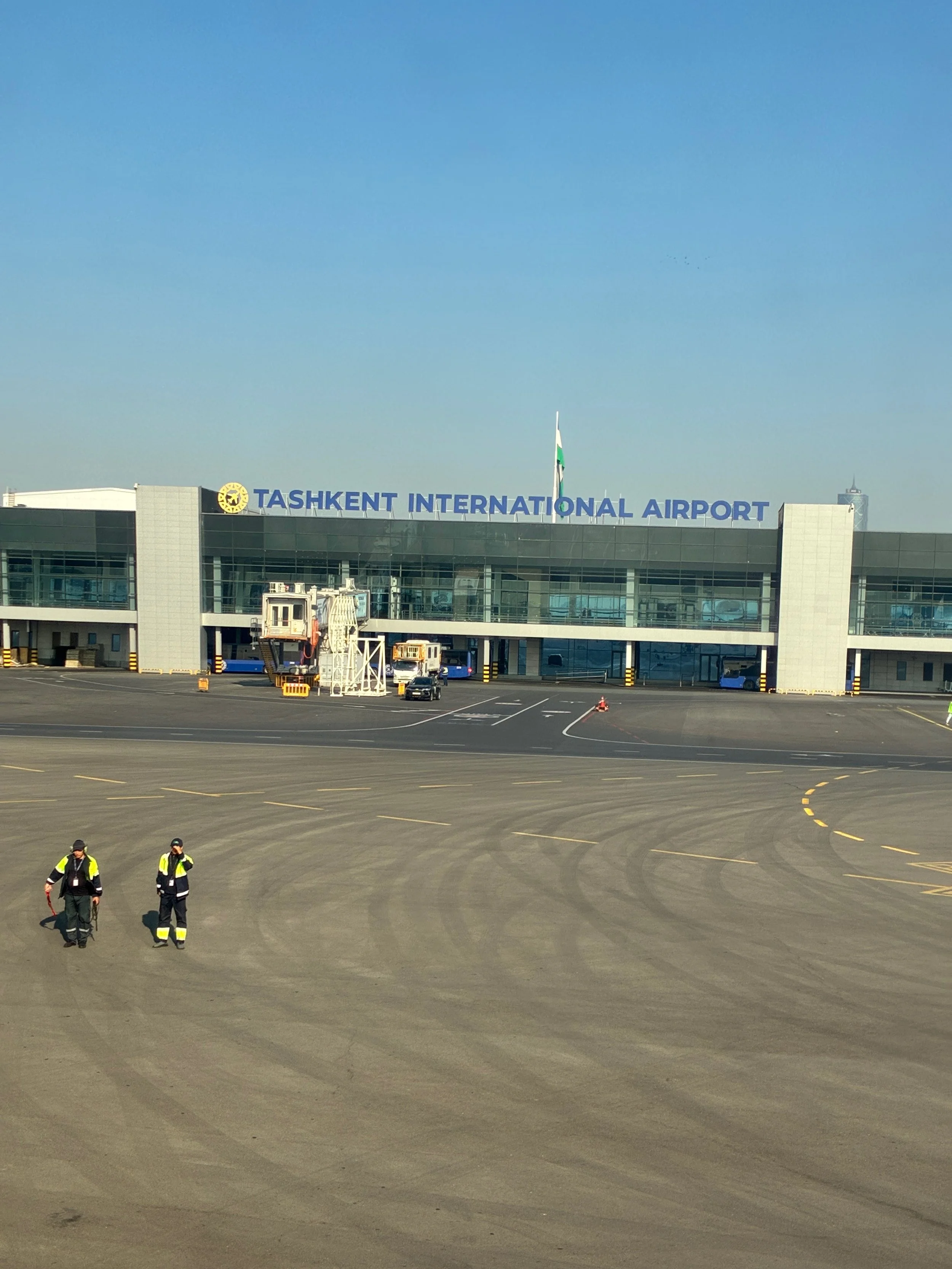
By the time the convoy reached Tashkent International Airport, the late afternoon sun was casting long golden shadows across the terminal buildings. Timur accompanied Judd through a discreet entrance, where his passport and travel documents had already been prepared, and the two men exchanged a warm handshake before parting.
"Please thank whoever arranged the escort," Judd said. "I suspect I owe them considerably more than a drink."
Timur smiled. "Uzbekistan has welcomed merchants, scholars and travellers for centuries, Mr. Knight. We prefer that our guests leave with pleasant memories."
"Rather than bullet wounds?"
"Precisely."
An hour later, Judd was comfortably seated aboard his onward flight to Bengaluru, where another chapter of the investigation awaited. He ordered a gin and tonic, loosened his collar and opened the photographs of the manuscript on his tablet, studying the ancient Persian script and the mysterious diagrams that had survived centuries of conquest, political upheaval and the collapse of empires.
Beneath the intertwined serpents, Annie had identified a short passage written in a later hand, its translation uncertain but sufficiently clear to trouble him.
The gift is not for all men. The worthy shall endure, while the others shall serve.
Judd read the words several times, wondering whether the author had intended them as a warning, a religious allegory or the description of an actual biological phenomenon. Whatever their original meaning, he had little doubt that Sebastian Wolf would interpret them in the most dangerous way imaginable.
His phone vibrated with a secure message from Cindy.
CINDY: We've found something in the Indian records. You need to see this in person.
JUDD: Good news or bad?
CINDY: Depends on how you feel about a 1,500-year-old manuscript describing a machine that can alter the human body.
Judd smiled to himself and typed a reply.
JUDD: I suppose that rules out another holiday.
He placed the phone on the tray table and watched as the aircraft climbed above the lights of Tashkent, leaving behind the ancient crossroads of the Silk Road and carrying him toward India, where another fragment of the mystery was waiting to be uncovered.
For centuries, merchants had travelled these routes carrying silk, spices, precious metals and knowledge between civilizations, often without understanding the true significance of the objects and ideas they transported. Judd wondered how many extraordinary discoveries had been forgotten along the way, buried beneath the ruins of vanished cities or hidden in manuscripts that nobody had thought to examine for hundreds of years.
Somewhere among those forgotten secrets, Sebastian Wolf believed he had found the key to controlling the future of humanity, and Judd was becoming increasingly convinced that the answer lay not in any single ancient civilization, but in the connections between them.
As the aircraft turned southeast toward India, he raised his glass in a silent toast to the unknown physicians and merchants whose centuries-old secrets had caused so much trouble in the modern world.
He only hoped that Bengaluru would be a little less eventful than Tashkent, although experience suggested that was probably asking rather too much.