The Venetian Secret
The Qatar Airways Boeing 777 had been airborne for almost fourteen hours when the captain announced that their approach into Doha would be delayed by an unexpected change in the flight plan. Judd Knight, who had been enjoying the comforts of business class since departing Dallas Fort Worth, glanced at the flight information screen and noticed that the aircraft had altered its course to avoid a section of airspace near the Iranian coast
The continuing military tensions involving Iran had made flying through the Persian Gulf an increasingly complicated business, and while the captain's reassuring voice suggested nothing more serious than a routine operational adjustment, Judd knew from experience that airline pilots were particularly skilled at making potentially alarming situations sound thoroughly ordinary.
He returned to his coffee and the intelligence briefing Annie had prepared before his departure. Sebastian Wolf's increasingly obsessive research into the dormant regions of human DNA had taken a disturbing turn, with evidence suggesting that the billionaire was searching historical records for accounts of unusual longevity. The Order's investigations in South Africa had already uncovered the extraordinary oral traditions of the Bakwena people, where an elderly woman named Matilda had spoken of ancestors whose lives appeared to extend far beyond the normal human span. Whether those stories represented genuine biological anomalies or simply the embellishments of generations of storytelling remained uncertain, but Wolf evidently believed there was something worth pursuing, and he possessed both the resources and the ruthlessness to pursue it without restraint.
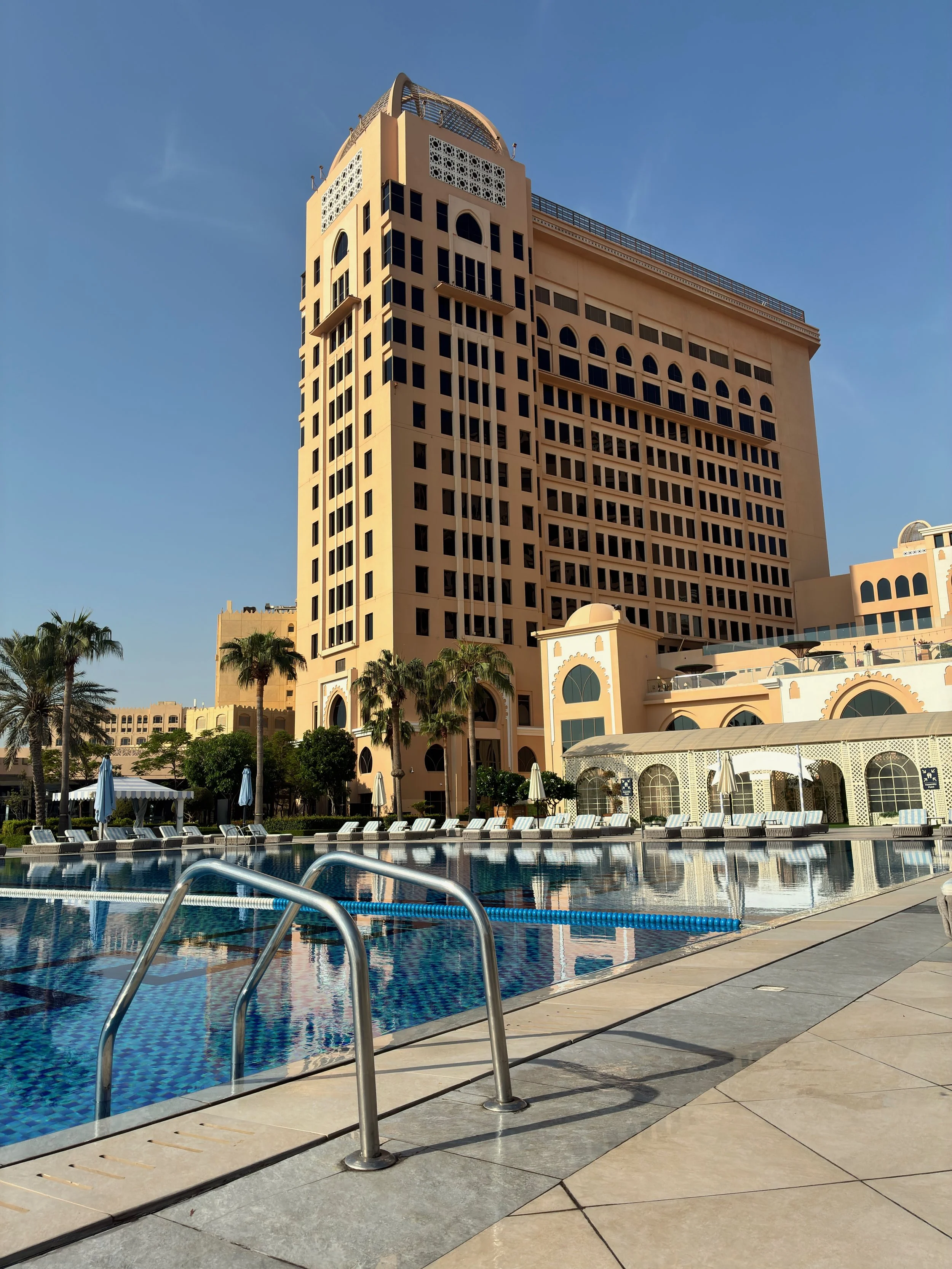
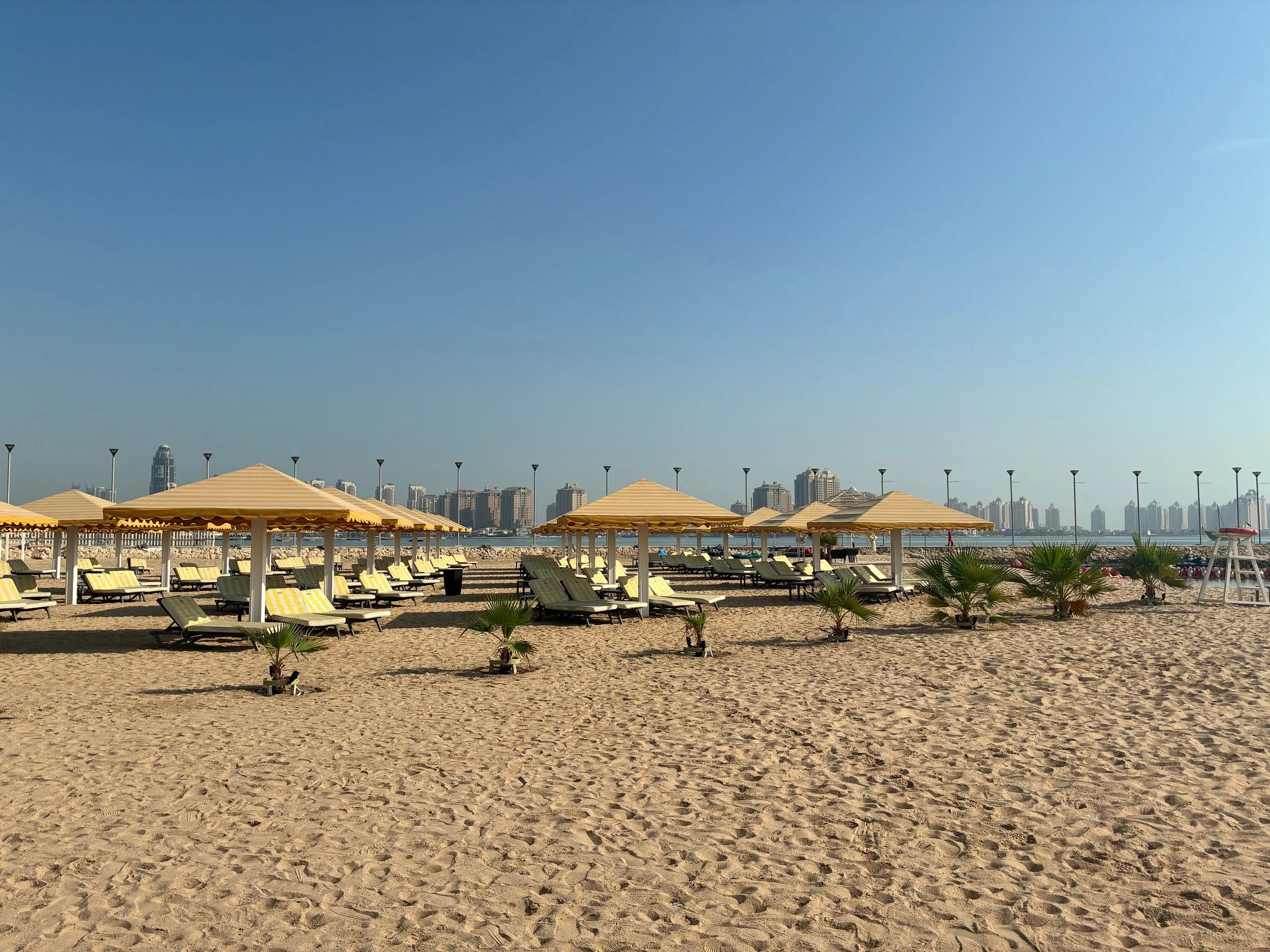
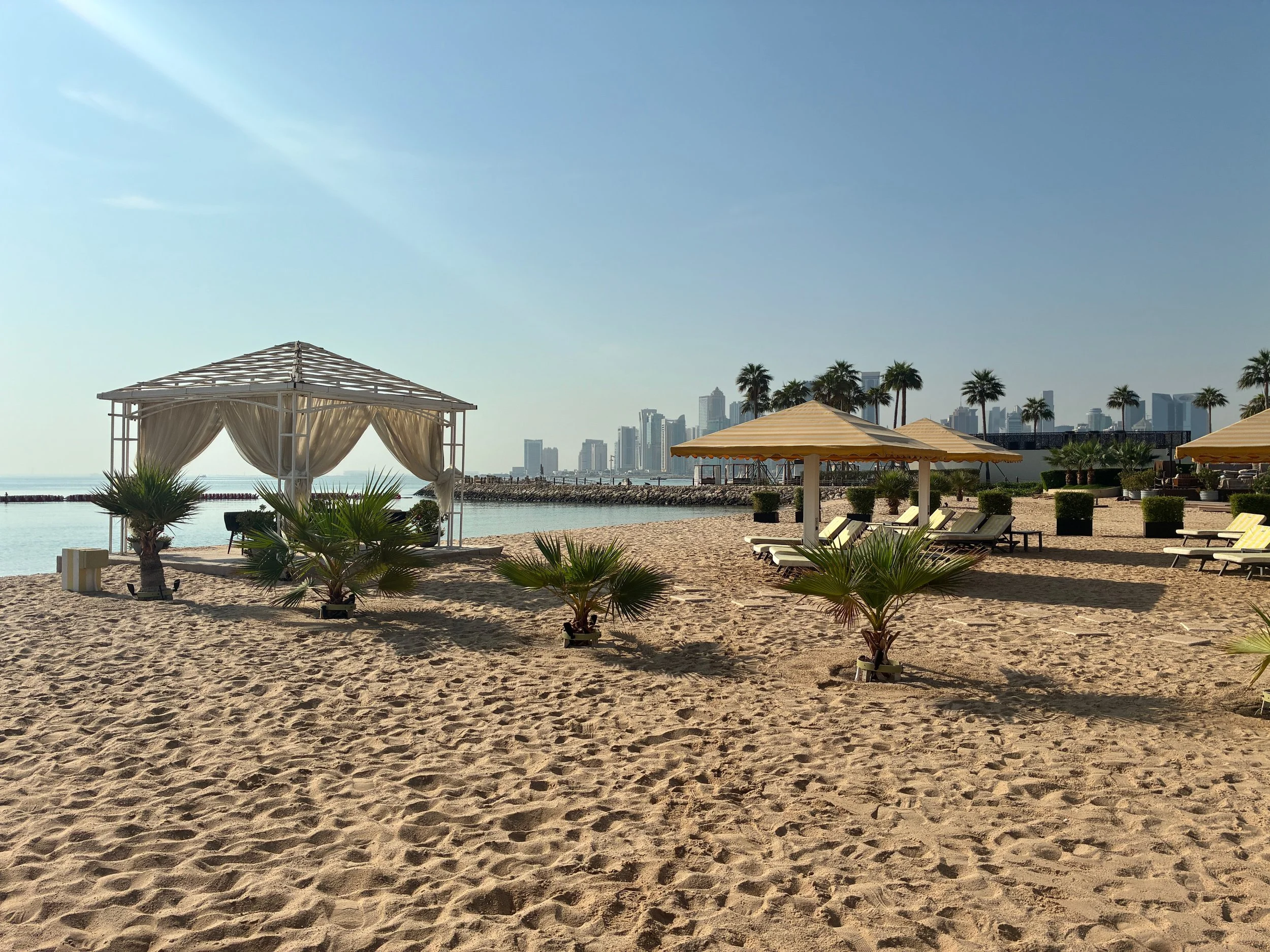
As the aircraft finally descended toward Hamad International Airport, the illuminated towers of West Bay appeared beyond the dark waters of the Persian Gulf, their glittering reflections giving Doha the appearance of a futuristic city rising out of the desert. Judd had always enjoyed visiting Qatar, partly because of its remarkable transformation over the preceding half-century, but principally because it offered him the opportunity to stay at one of his favorite hotels in the world, the St. Regis Doha.
The drive from the airport took him along the Corniche, where the city's modern skyline provided a spectacular contrast to the traditional wooden dhows anchored along the waterfront. Qatar's prosperity had once depended on fishing, pearling and maritime commerce, with generations of sailors navigating the waters between Arabia, Persia, India and East Africa. The collapse of the natural pearl industry in the early twentieth century had devastated the local economy, before the discovery of oil and the subsequent development of enormous natural gas reserves transformed the small peninsula into one of the wealthiest nations on earth.
Yet despite its extraordinary wealth and modern architecture, Doha had retained an affection for its trading heritage, something Judd particularly appreciated.
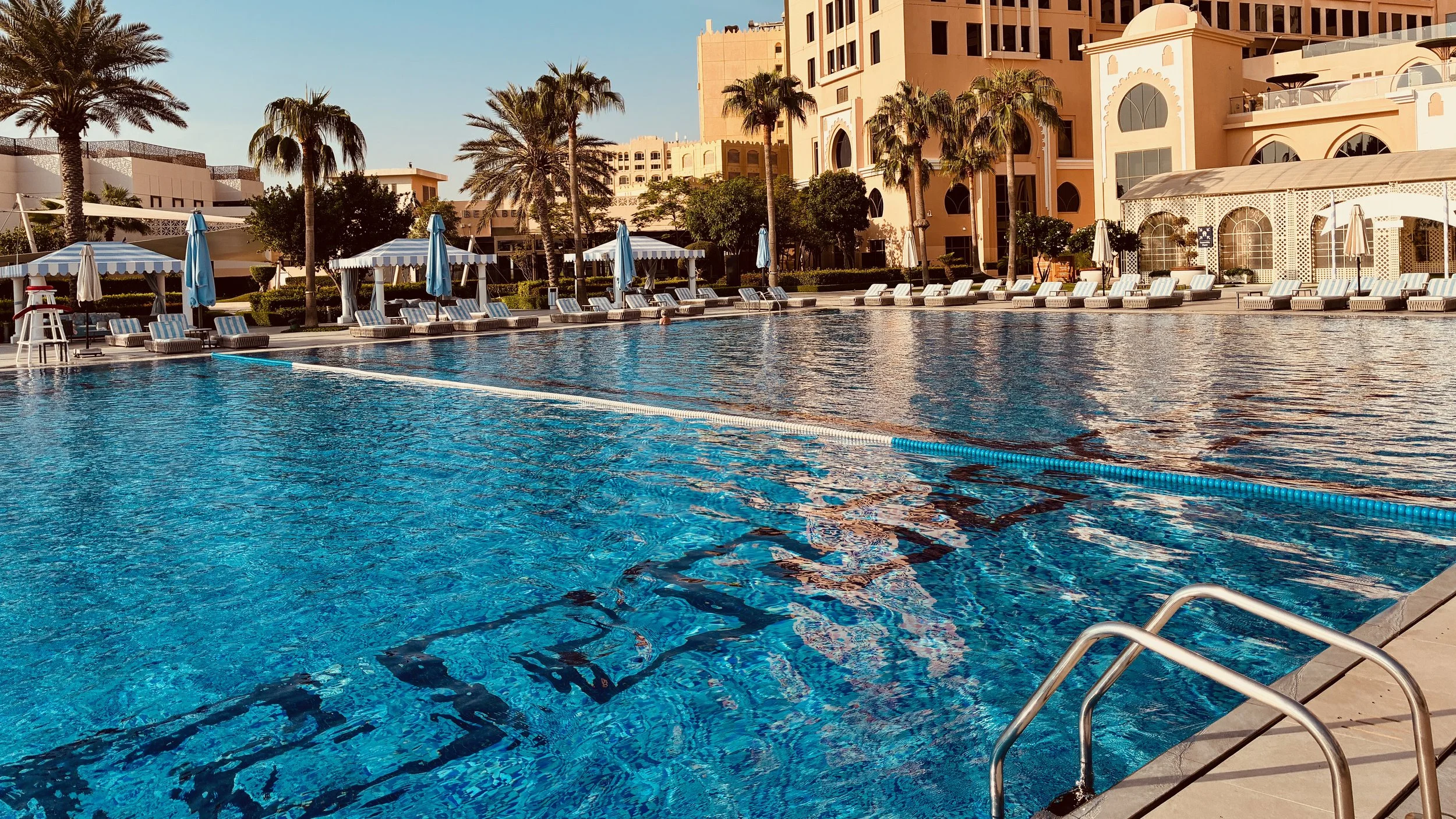
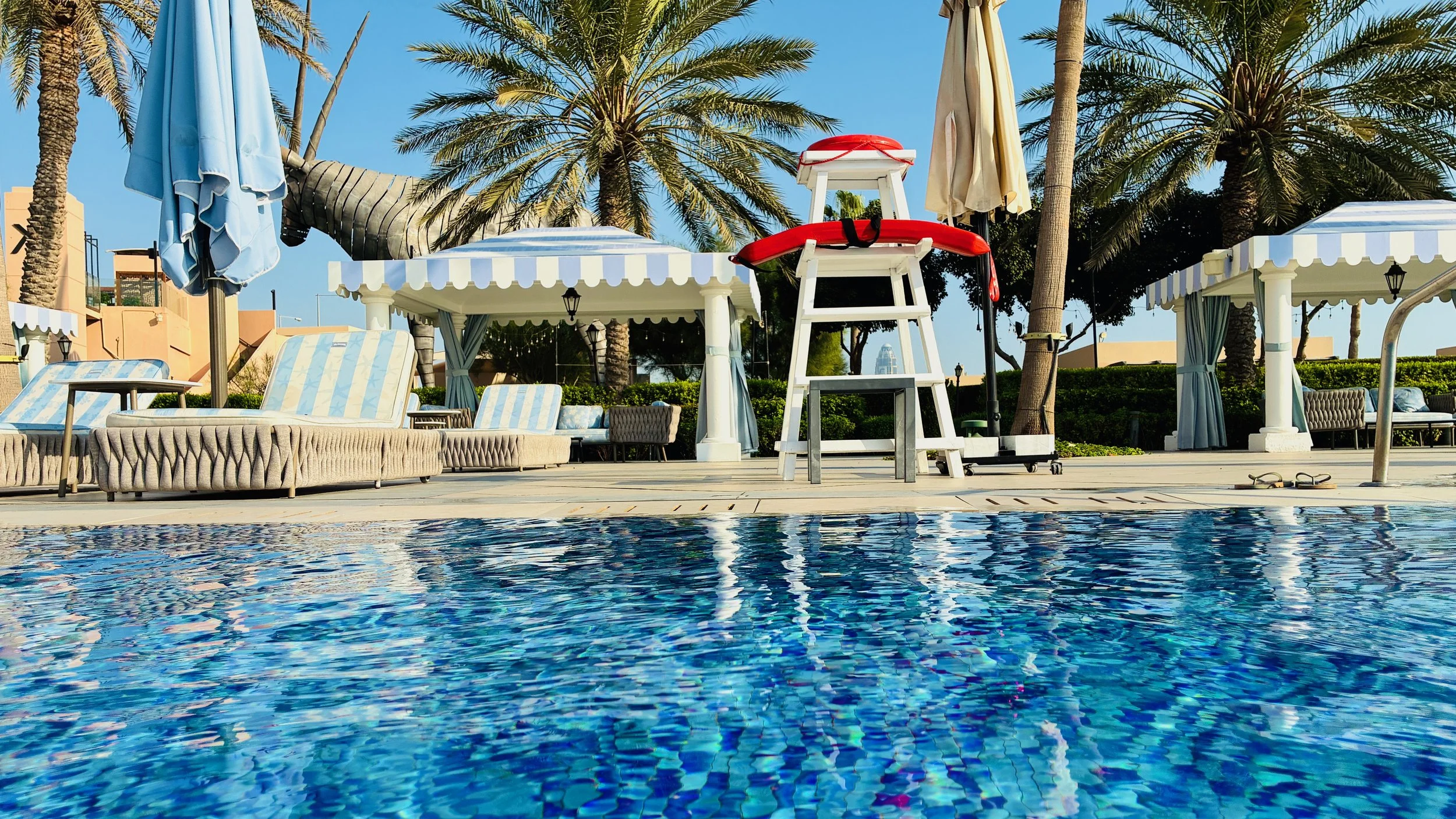
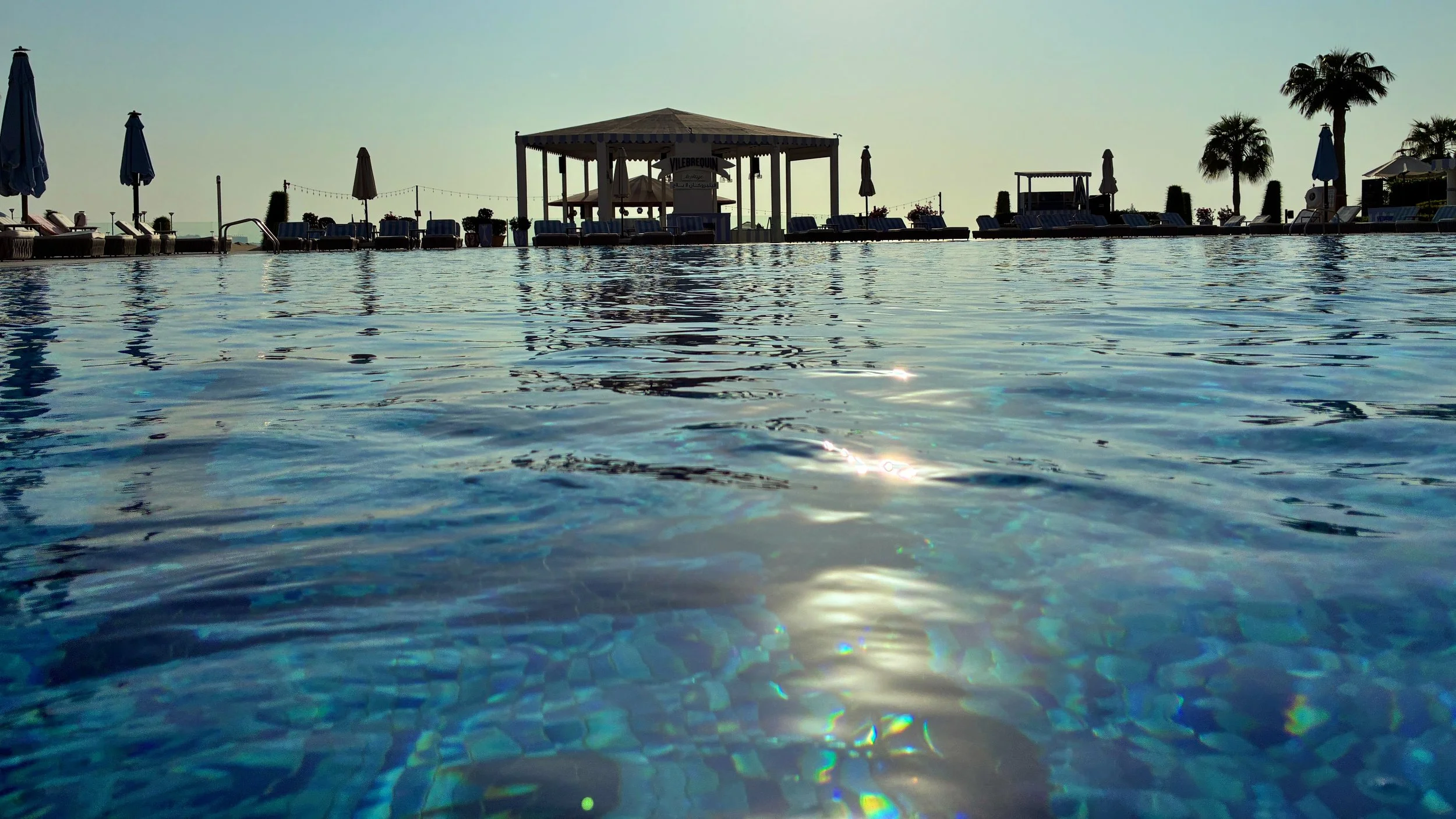
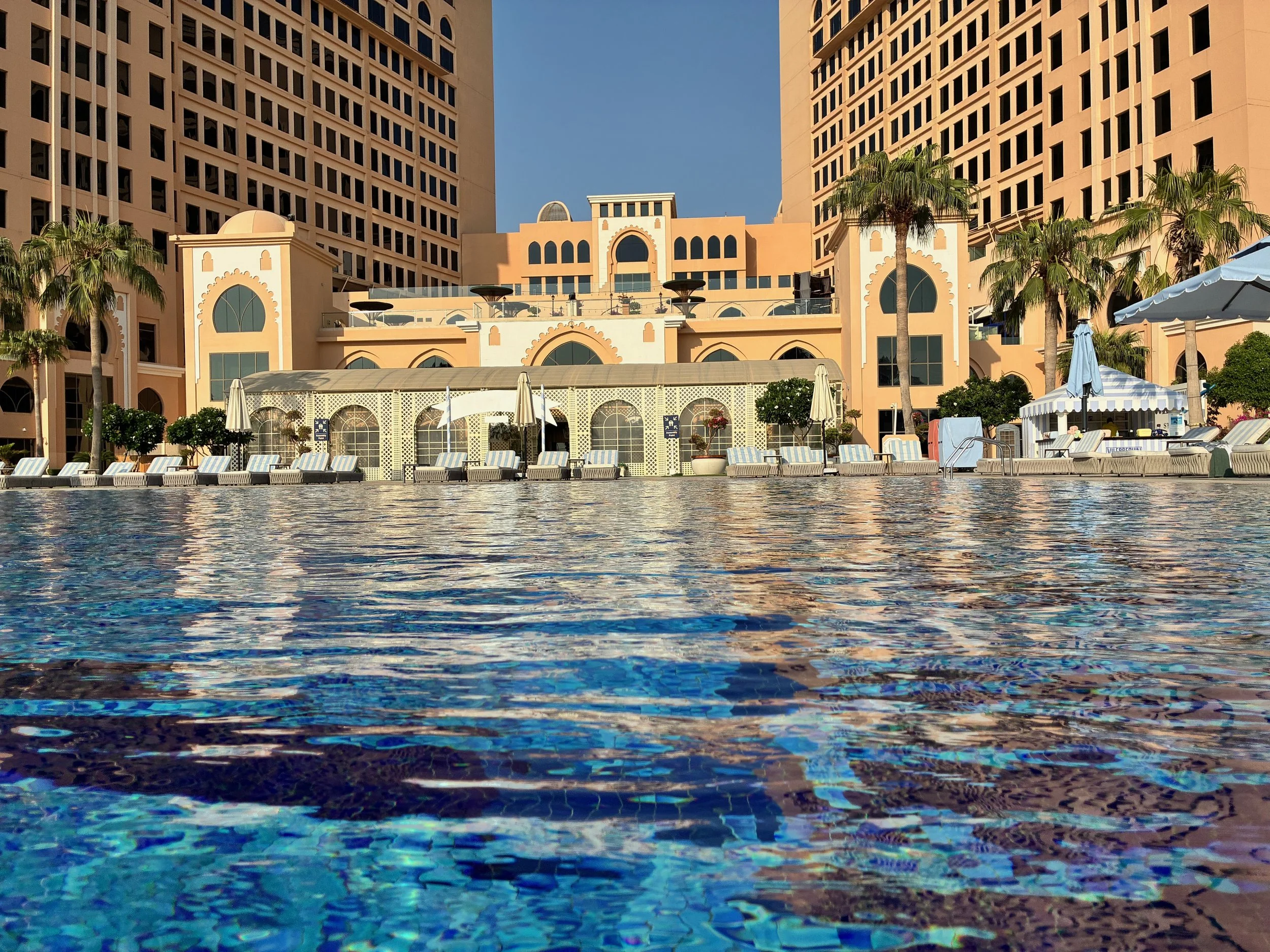
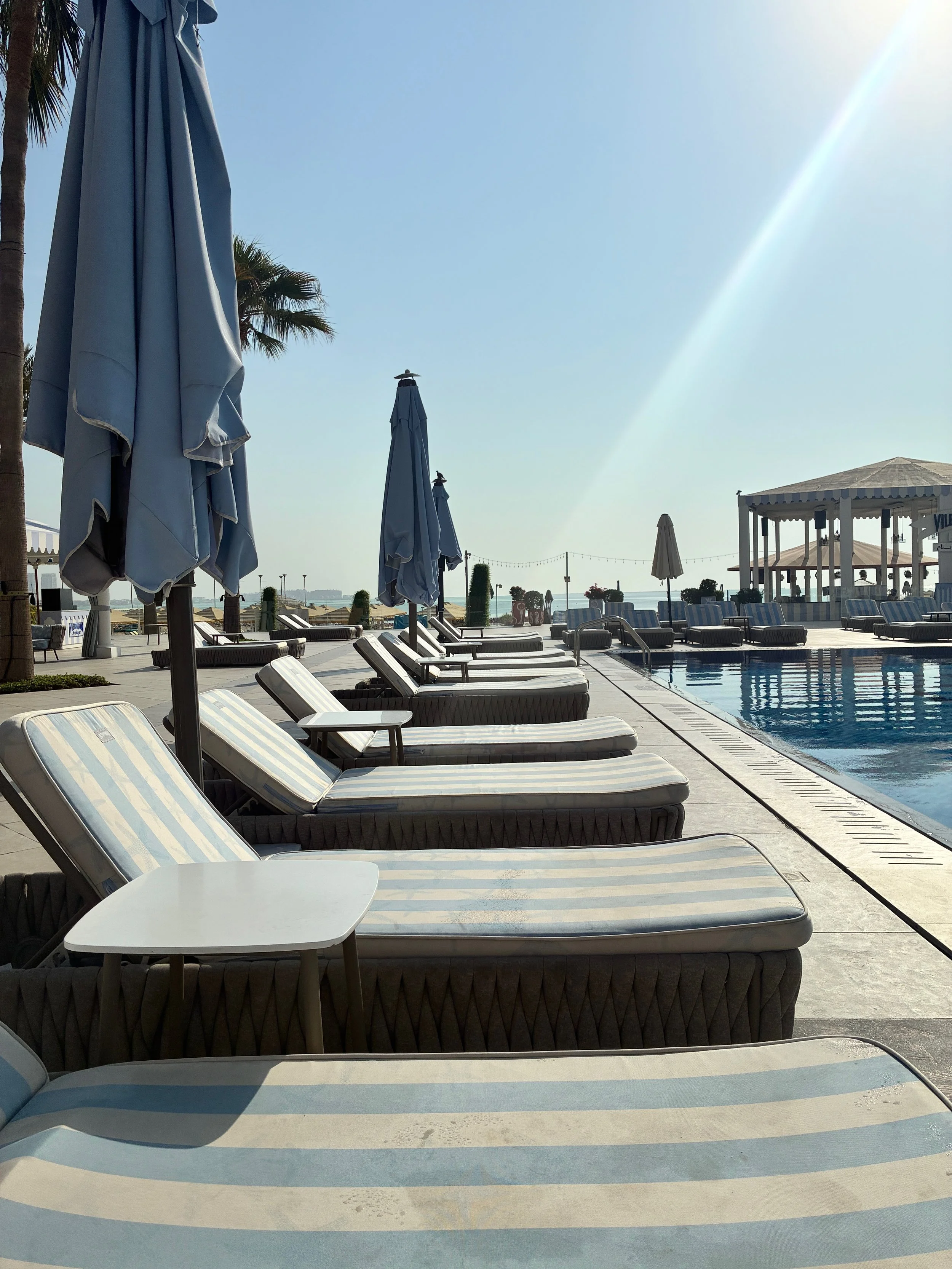
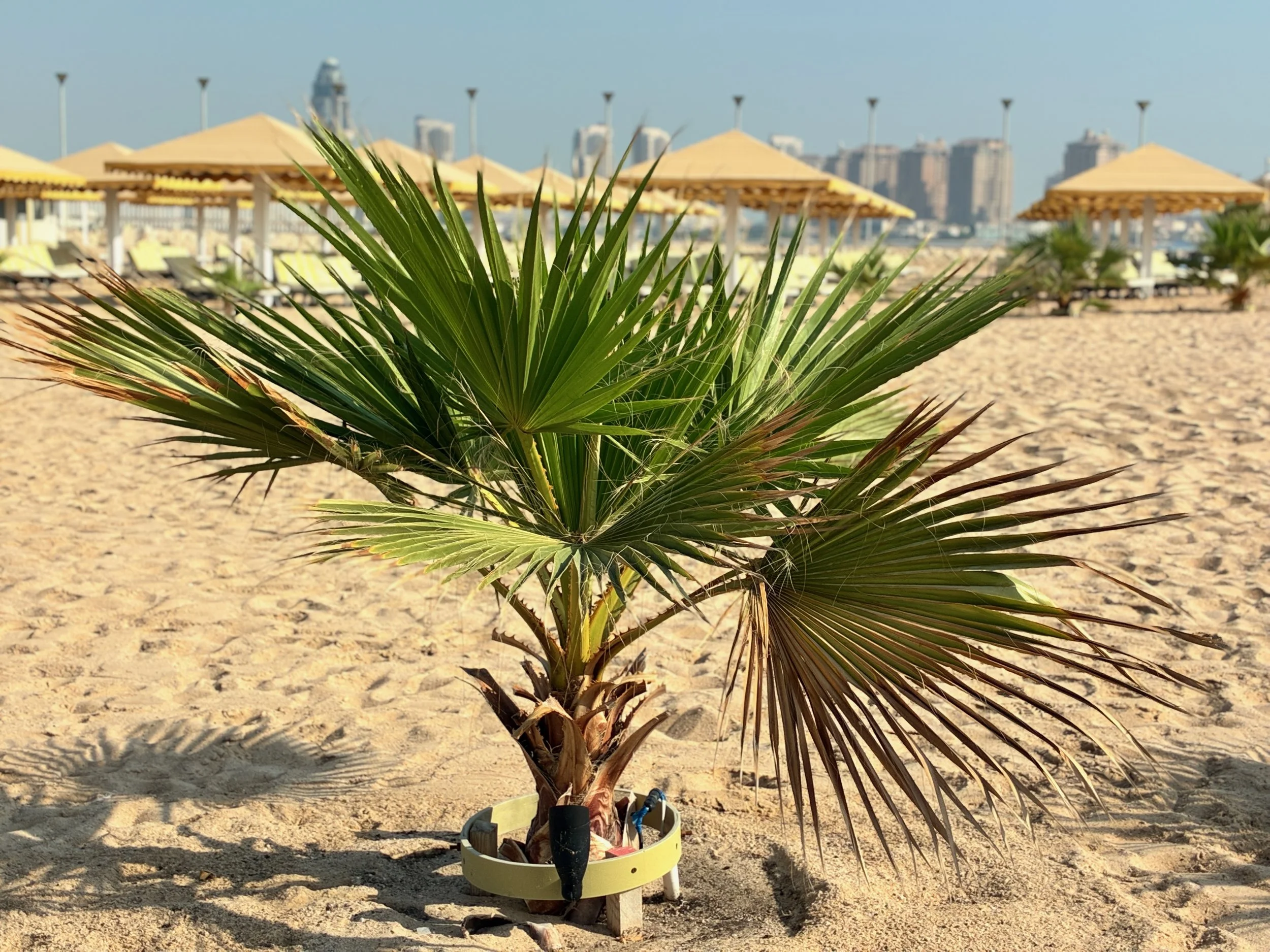
The St. Regis, overlooking the Arabian Gulf from its position in West Bay, was exactly as he remembered it. Its imposing architecture, grand marble interiors and impeccable service combined the atmosphere of a traditional luxury hotel with the understated extravagance of modern Qatar. Judd had stayed in enough hotels around the world to know that true luxury had little to do with the number of chandeliers in the lobby and considerably more to do with the small details that made a weary traveller feel at home.
After checking into his suite, he changed into a lightweight linen shirt and trousers before heading downstairs for a late dinner, followed by a leisurely drink overlooking the water. For the first time in several weeks, there were no surveillance operations to coordinate, no armed adversaries to evade and no immediate demands from the Order's increasingly complicated investigations. He intended to enjoy the opportunity, particularly since experience had taught him that such interludes rarely lasted as long as one hoped.
The following morning, after a thoroughly indulgent breakfast, Judd spent several hours exploring the Museum of Islamic Art, whose extraordinary collection reflected the centuries of intellectual and commercial exchange that had connected the Middle East with Europe, Africa and Asia. The museum's magnificent building, designed by I. M. Pei, appeared to rise from the waters of Doha Bay, and Judd found himself lingering over manuscripts, navigational instruments and scientific texts that demonstrated how much knowledge had travelled along the ancient trading routes long before the modern world began congratulating itself on globalization.
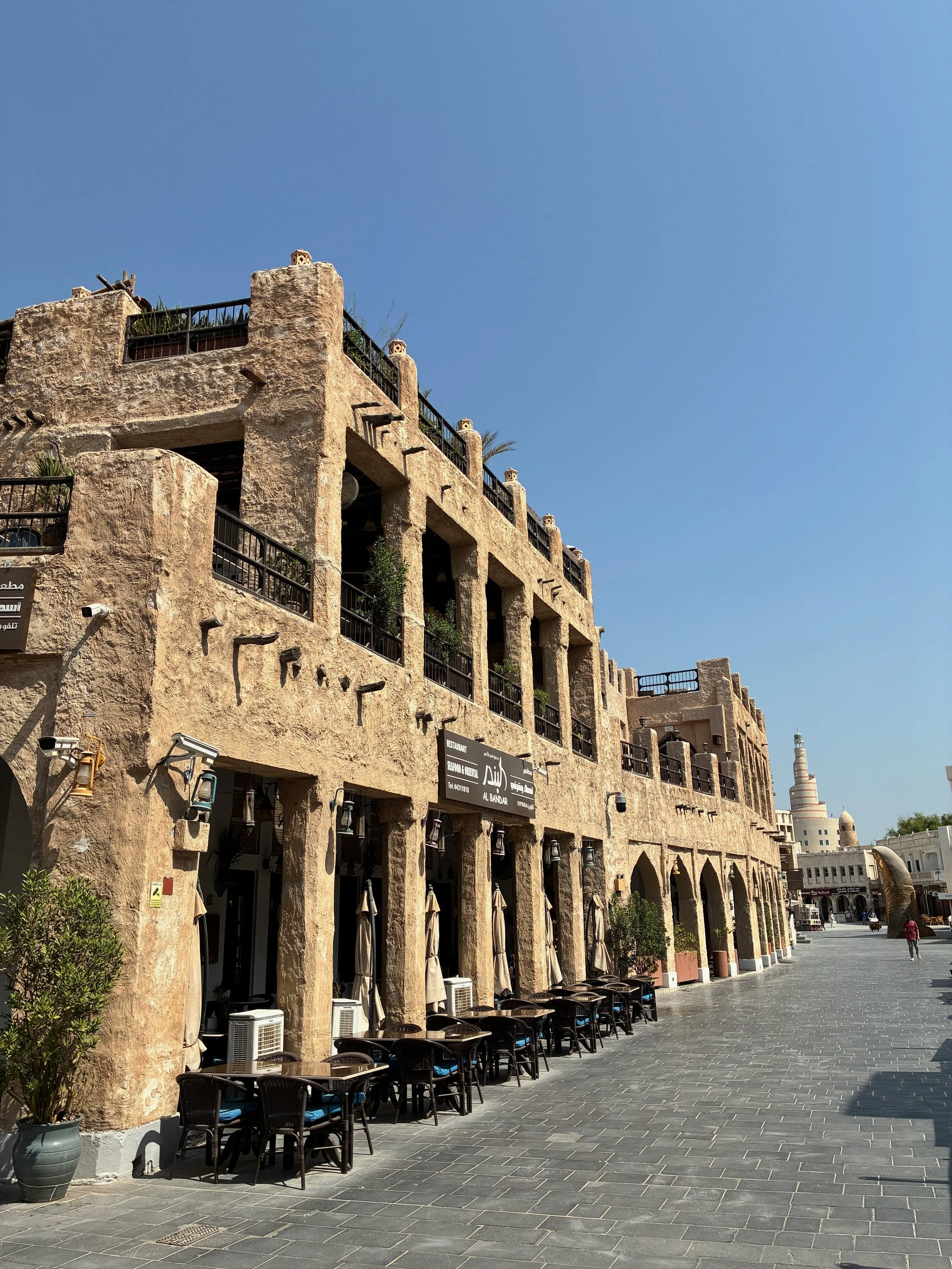
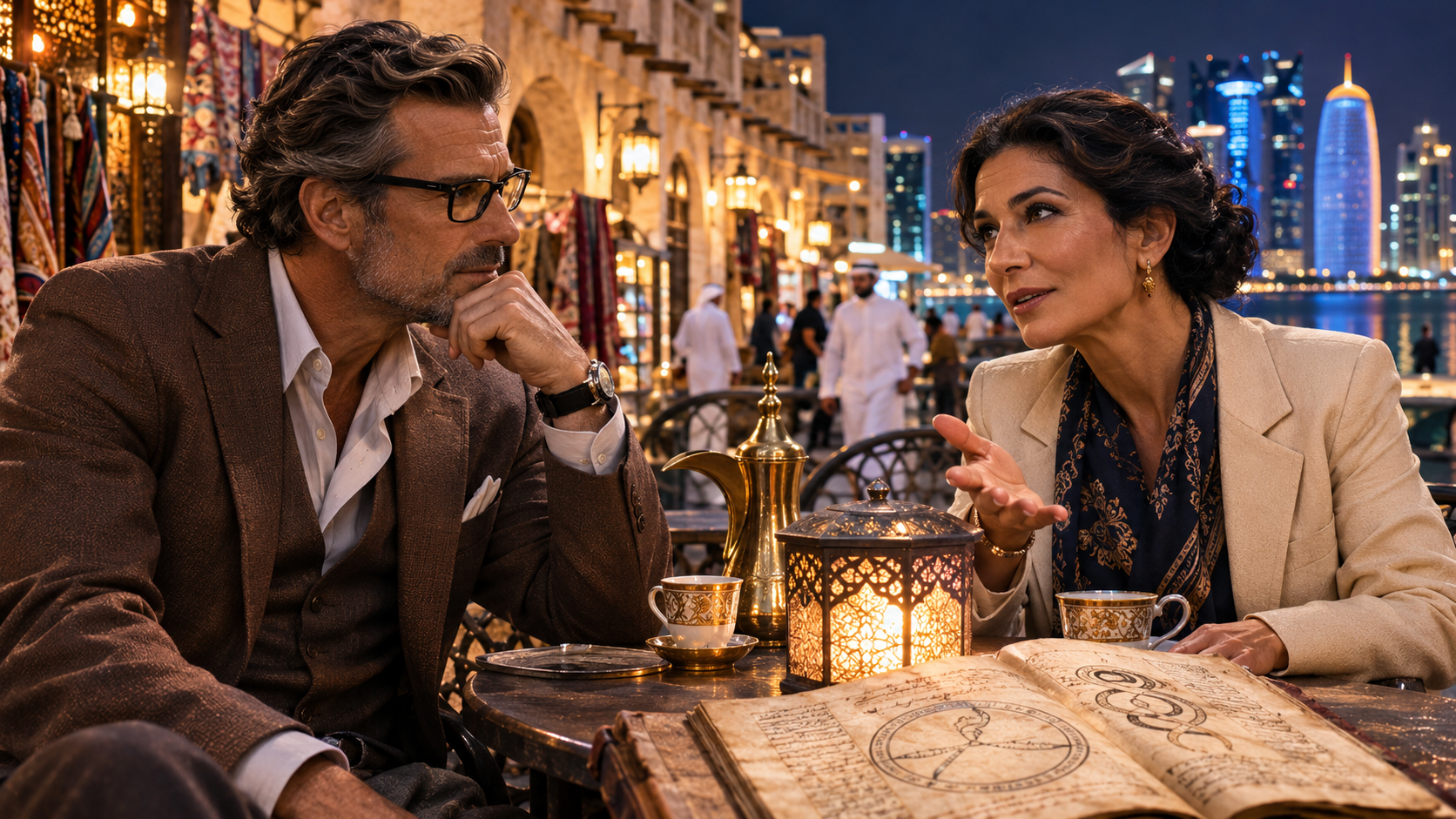
By late afternoon he had returned to the old city, where the narrow passageways of Souq Waqif were filled with the aromas of spices, incense and freshly roasted coffee. He had arranged to meet Professor Leila Al-Mansouri, a respected historian whose research into medieval trade between Venice, the Islamic world and Central Asia had attracted the attention of the Order's intelligence analysts.
She arrived at the outdoor terrace of a traditional café overlooking the souq, carrying a worn leather satchel and wearing an elegant cream jacket over a dark blue dress. In her early sixties, with intelligent dark eyes and the composed manner of someone accustomed to lecturing rooms full of skeptical academics, she immediately struck Judd as a woman who would have little patience for nonsense.
"Mr. Knight, I presume?"
"That depends entirely on whether you're here to sell me something," Judd replied, rising to greet her.
She smiled. "Professor Al-Mansouri. And no, Mr. Knight, I'm not selling anything, although I understand you're interested in a rather unusual Venetian merchant."
"Only the ones who managed to stay young while everyone around them grew old."
"Then I suspect we have a great deal to discuss."
After ordering Arabic coffee, the professor opened her satchel and produced several photographs of an ancient manuscript, explaining that her interest had begun years earlier while researching the commercial exchanges between Venetian merchants and the physicians of Central Asia. Marco Polo's extraordinary travels through Asia during the thirteenth century were well documented in the account traditionally known as The Travels of Marco Polo, although historians continued to debate the accuracy of certain details and the extent to which his descriptions had been embellished.
What interested her, however, was a considerably more obscure story that had circulated among certain Venetian merchant families long after the Polo family's return.
"According to a later merchant's account, Marco Polo and members of his family returned from the East possessing a preparation that supposedly preserved vitality, sharpened memory and delayed the effects of aging. The story eventually developed into a rather fanciful legend that Marco himself appeared scarcely older after his long absence, although I should emphasize that there is no credible historical evidence supporting such a claim."
Judd examined the photograph she placed before him. The manuscript contained several lines of Latin accompanied by an unusual circular symbol divided by three intersecting lines, and he immediately recognized its similarity to a marking described by Matilda during their investigations in South Africa.
"Where did you find this?"
"In a private Venetian collection. The text refers to something called Aqua Vitae Orientalis, or the Water of Life from the East, and describes a preparation containing three components. The first was a mineral collected from mountains, the second a botanical extract gathered from a plant found in an arid region, and the third was described simply as the living essence."
"Which sounds suspiciously like the sort of thing an alchemist might have invented after drinking too much wine."
"Quite possibly," she replied, amused. "But the interesting part is that similar references appear in manuscripts from Central Asia, where the preparation was associated with physicians serving merchants travelling between Samarkand and China.".
She produced another photograph, this one showing a fragment of parchment covered in Persian script, and explained that the original was believed to have been copied from an older medical document. A later annotation suggested that two Venetian travellers, possibly members of the Polo family, had been given the preparation by a physician somewhere along the Silk Road.
"The chronology is troublesome," she continued, "and the annotation cannot be authenticated, but the story has survived in several forms. What concerns me is that representatives of a company associated with Sebastian Wolf have recently been purchasing manuscripts describing precisely this sort of treatment."
Judd looked up. "Wolf's people have been here?"
"Not in Doha, as far as I know, but they've been active in Venice, Istanbul and Samarkand, and their interest appears to extend beyond historical curiosity. One collector told me they were prepared to pay almost any price for documents concerning the preservation of human life."
The professor turned the photograph over, revealing a second symbol resembling two intertwined serpents. Judd studied it carefully, remembering the unusual biological diagrams recovered from Wolf's research facility in Seoul, where scientists had been investigating methods of activating dormant genetic sequences.
"And where is the original manuscript?"
"Tashkent, in Uzbekistan. An antiquities dealer named Rustam Bekzodov possesses a document that may contain the complete preparation, including a passage describing the third component. His family claims to have acquired it from a private collection in Samarkand during the Soviet period."
"Does he know what he's got?"
"He knows it's valuable, although I doubt he understands why so many people have suddenly become interested in it."
Judd leaned back in his chair, watching a group of tourists negotiating the purchase of an elaborate brass coffee pot from a nearby stall.
"Professor, are you suggesting that medieval physicians somehow understood genetics?"
"Certainly not in the modern scientific sense, Mr. Knight. But people have observed biological effects for thousands of years without understanding the mechanisms responsible, and occasionally those observations became embedded in medical traditions, legends or religious practices. The question is whether this manuscript records something real, a misunderstood ritual, or simply an elaborate merchant's deception."
"And Wolf believes it's real."
"I suspect Mr. Wolf is sufficiently wealthy to investigate every possibility, however improbable."
She hesitated before adding that another American had recently approached her about the same manuscript, a large and rather unpleasant man with a scar above his left eyebrow who had offered considerable money for information about the dealer in Tashkent.
Judd needed no further description.
"Crowder," he said quietly.
"Yes, I believe that was his name."
Judd sighed and finished his coffee. Crowder's appearance in the investigation was unwelcome, although hardly surprising, and it confirmed that Wolf regarded the manuscript as considerably more than an academic curiosity.
"There's one final detail," the professor said, retrieving a handwritten translation from her folder. "The passage concerning the third component is particularly unusual because it suggests that the preparation doesn't introduce something new into the body. Instead, it awakens something already present."
Judd read the translation slowly, recalling Wolf's research into the activation of dormant genetic mechanisms and the terrifying possibility that the same technology might be used to alter human behavior.
"That's a very interesting choice of words."
"Indeed. And according to the manuscript, the consequences of awakening this dormant element were not always beneficial."
"What happened to the others?"
The professor looked at him gravely.
"The translation is uncertain, but the text suggests that some individuals experienced renewal, while others became unusually susceptible to the will of another."
Judd placed the paper on the table and looked toward the crowded souq, where the ordinary business of commerce continued beneath the warm evening sky.
He had travelled halfway around the world to investigate a medieval legend, only to discover that the same ancient story might contain the foundations of Sebastian Wolf's most dangerous scientific ambition.
"Professor, I think you've just given me a very good reason to visit Uzbekistan."
She smiled faintly. "Then I suggest you go quickly, Mr. Knight. I doubt you're the only person planning the journey."
That evening Judd returned to the St. Regis, where he enjoyed a final dinner overlooking the Gulf before calling Annie to arrange his onward travel. The professor's photographs had already been transmitted to the Order's analysts, and preliminary comparisons with the South African material were producing some intriguing similarities, although Annie cautioned that geometric symbols and ancient medical terminology could easily lead investigators toward connections that existed only in their imaginations.
Judd agreed, but he had spent too many years pursuing seemingly impossible clues to dismiss this one, particularly with Crowder apparently following the same trail.
Before retiring, he stepped onto the balcony of his suite and watched the lights of Doha shimmering across the water. Somewhere beyond the horizon lay Iran, the ancient Persian heartland through which so much of the Silk Road's knowledge had passed, and farther east the great cities of Central Asia, where merchants, scholars and conquerors had exchanged ideas for centuries.
It was a remarkable thought that a secret capable of changing the future of humanity might have travelled those same routes eight hundred years earlier, concealed in a physician's manuscript and eventually carried westward by a Venetian merchant whose name had become synonymous with exploration.
Judd finished his drink and returned inside.
Tomorrow he would follow the trail to Tashkent, and with Crowder already involved, he suspected his pleasant interlude at the St. Regis was about to become a distant memory