The Names They Left Out
The driver waiting at Cape Town International held up a card that said JUDD, in the same square handwriting Mary used on birthday envelopes. He took Judd’s bag, asked whether he’d eaten, and produced a brown paper parcel from the front seat before Judd could answer. Inside were two cheese sandwiches and an apple. Retirement in Stanford, it appeared, had done little to diminish Mary’s appetite for running an operation.
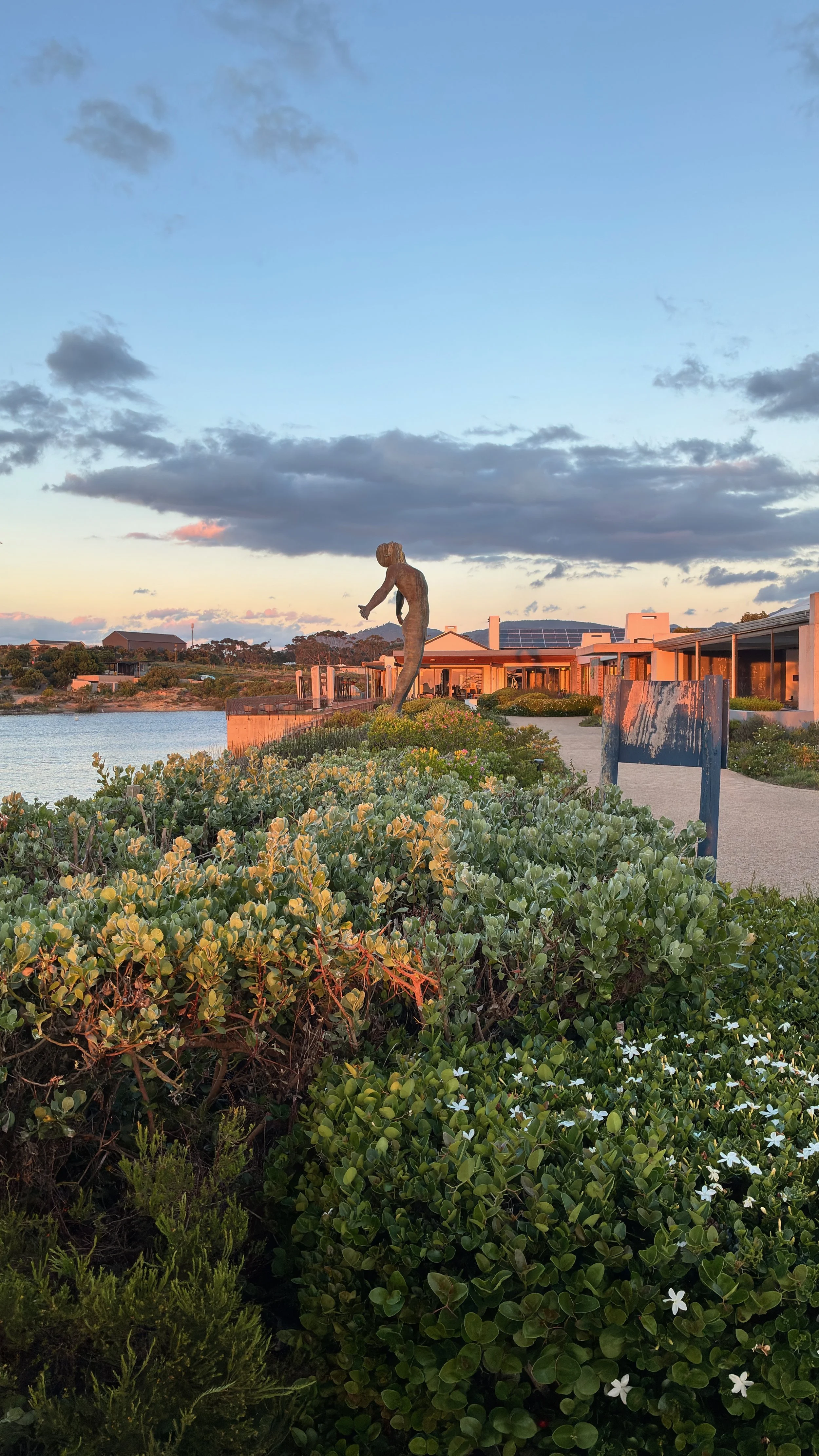
They took the N2 over Sir Lowry’s Pass, climbed into the orchards of Elgin and came down into the Overberg, where the afternoon light had turned the Bot River Lagoon the colour of pewter. At the Arabella Hotel, Judd had just enough time to shower and hang up his jacket before Mary called.
“Meet me outside the Marine,” she said. “Bring something warm. And if the driver asks, you ate both sandwiches.”
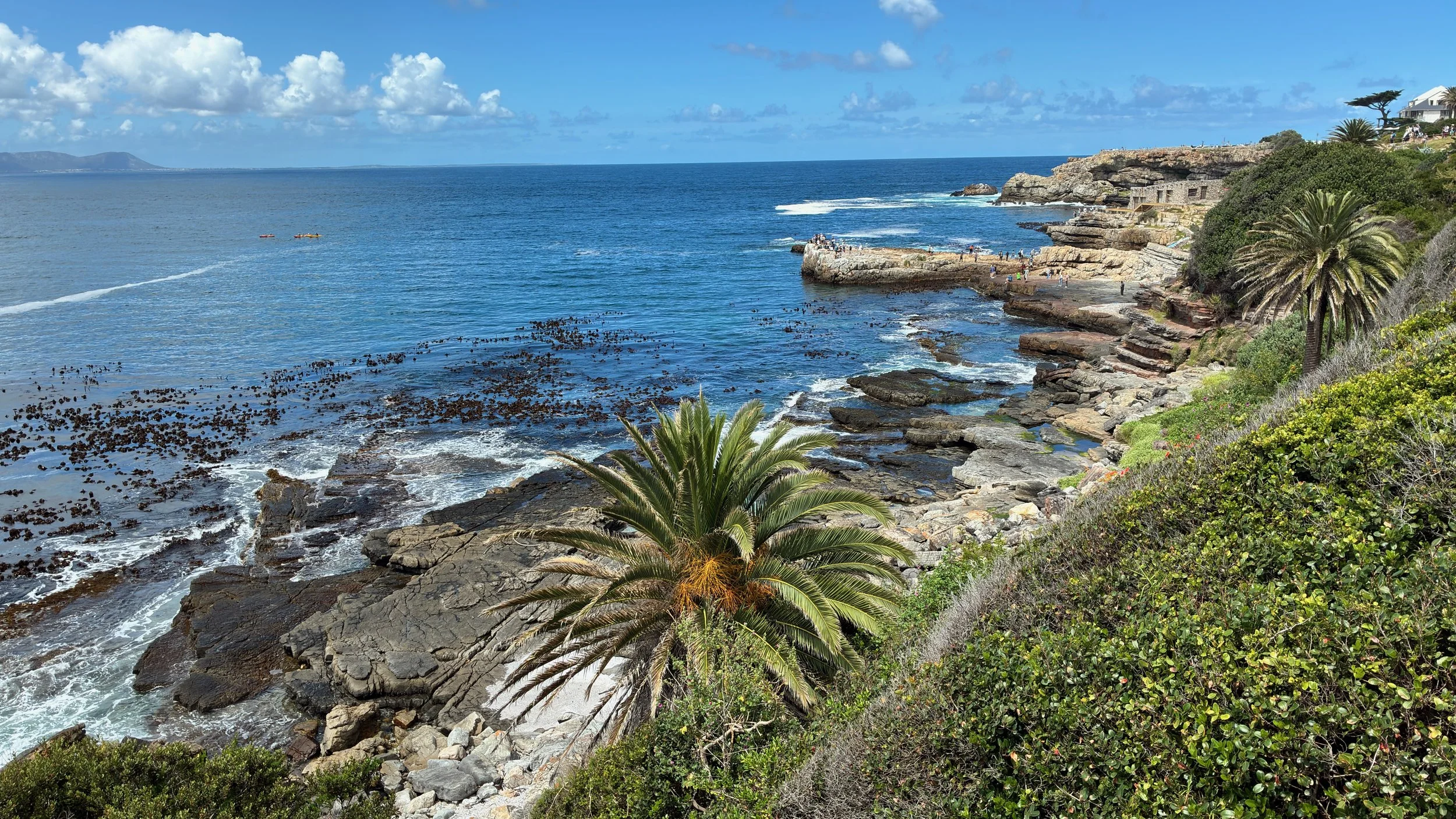
She was waiting beneath the old hotel in red-framed glasses and a blue coat, her silver hair losing a battle with the wind. She took his arm and led him east along the cliff path, which had grown out of the tracks fishermen once used to reach their spots along the rocks. His grandfather had known a few of those men by name. As a boy, Judd had spent school holidays at his grandparents’ house in Hermanus. He used to climb the low stone wall by the back gate because the latch stuck. His grandmother would hear him land on the gravel and call through the kitchen window that there was a perfectly good front door. He could still hear the pleasure she took in pretending to be cross.
“Do you remember what your grandfather used to call the town?” Mary asked.
“Hermanuspietersfontein. He made me spell it before he’d give me an ice cream.”
“The old name came from Hermanus Pieters. He was a schoolteacher who used to bring sheep down to the freshwater spring.” Mary smiled. “I always liked that a man could be remembered for two hundred years simply because he knew where to find water.”
Below them a southern right whale surfaced so close to the cliff that Judd heard her breathe. The calf rose a moment later, its back scarcely breaking the surface. Mary pointed to a second mother and calf farther out, where the water darkened beyond the kelp. The cows came north from colder feeding grounds to calve and nurse in sheltered stretches of coast like Walker Bay. As they watched, the nearer calf tucked itself against its mother’s flank, and the two hung almost motionless in the swell.
“Vera Koslova made it out of Berlin,” Mary said.
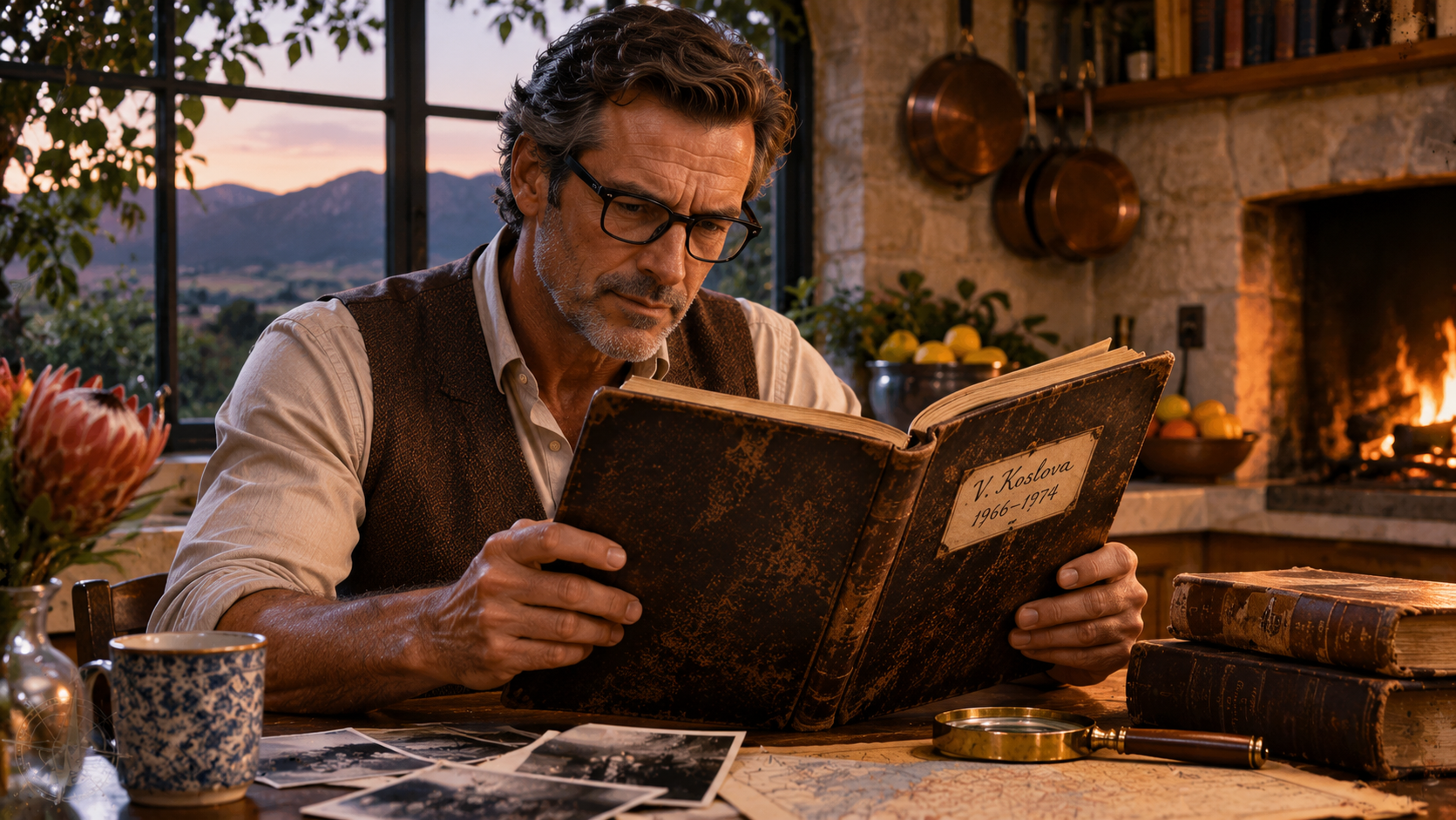
Judd turned to look at her. He knew Vera’s name from the Cold War files. She was a Soviet-born intelligence officer who had defected to the West, or so the West believed. Her real allegiance was to the Inkwell Order. When Soviet tanks entered Czechoslovakia in 1968, Vera passed word to the Americans about which border crossings were still open. Families got out because of her, and because of people willing to hide them for a night or drive them the last few miles. Later that year she disappeared during a mission in Berlin. The file ended there.
“She turned up in Cape Town the following winter,” Mary said. “I took her a change of clothes and a bag of oranges. She ate four before she told me why she’d come.” Below them, the calf surfaced ahead of its mother and rolled back towards her. “Vera had been getting letters from the people who helped her in Czechoslovakia. Then, one by one, the letters stopped. By the time she reached me, she knew somebody inside the Order had been giving their names to the Black Tide.”
“Did she tell London?”
“She did. London sent her report straight back to the man she’d accused and asked him for comment.”
“Who was he?”
“Anton Wolf. Sebastian’s grandfather.” Mary slipped her hands into her coat pockets. “He signed the report that said she’d been lost in Berlin.”
A gust came off the bay. Mary turned her face into it for a moment, watching the whales move slowly east.
“I took Vera to see Richard the morning after she arrived. He’s waited a long time to tell somebody what she brought with her. Let him tell you himself.”
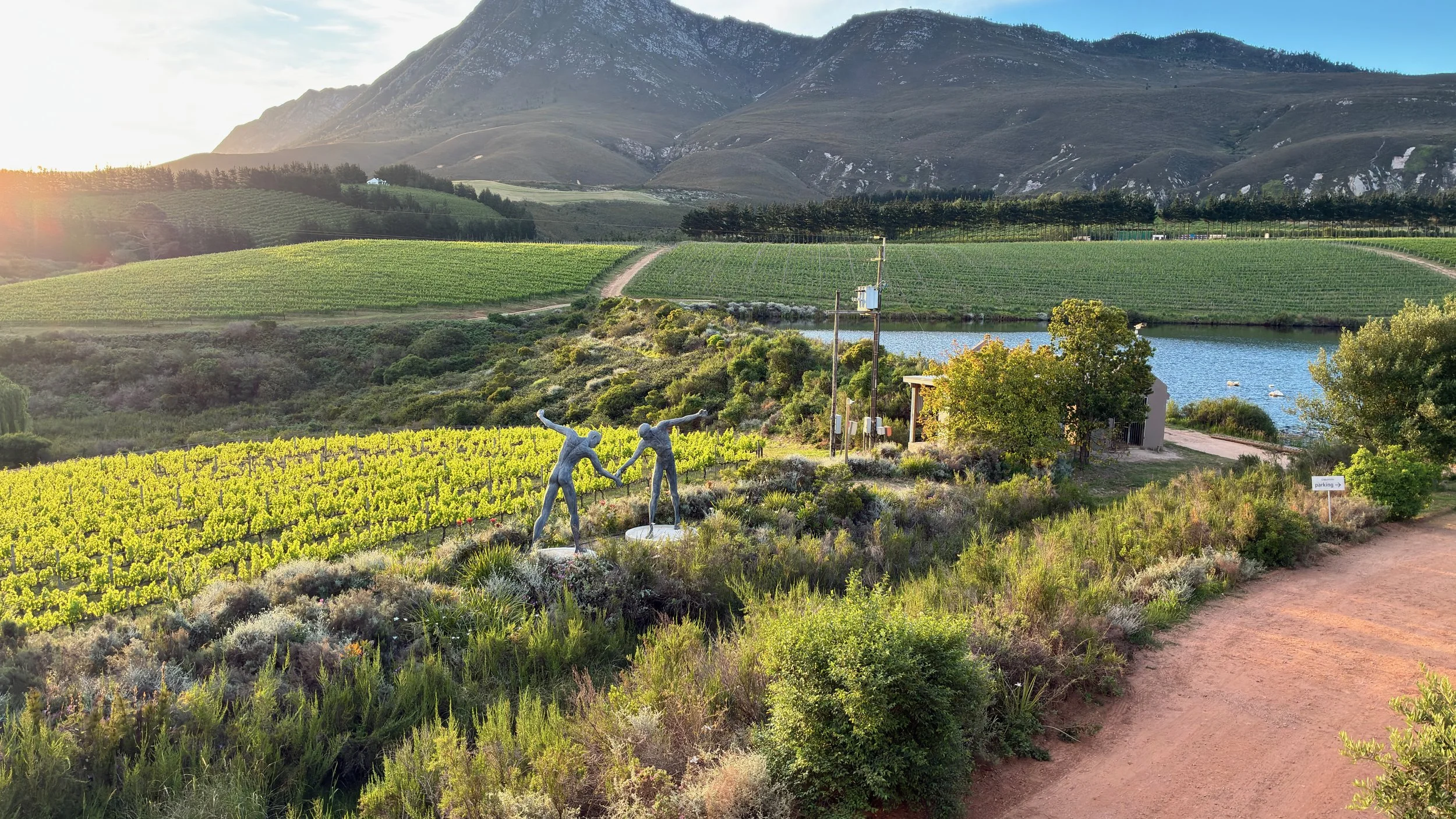
By noon the following day, the clouds had lifted over the Hemel-en-Aarde Valley. Richard was at a window table at Creation Wines, where the vines climbed the ridge in long, even rows. He poured Judd a little Pinot Noir and left his own glass alone.
“Everyone who got out through Vera’s network had somebody who vouched for them,” Richard said. “A railway clerk, a cousin with a spare room, a doctor willing to sign a piece of paper. The Order paid their expenses through a trust in London. Anton administered it. When Vera asked why some of those people had stopped answering her letters, he told her they’d been resettled and wanted to be left alone.”
Richard slid a photograph across the table. It showed a page from a ruled ledger, with names on the left and sums in pounds on the right.
“Vera brought the original. Those were payments to the relatives of people who’d died in custody. Anton had been giving the Black Tide the names of the people who helped her, then using the Order’s money to pay their families and keep them quiet.” Richard touched a pencilled mark beside one entry. “I put that there. He was a stationmaster outside Prague. He’d asked Vera to send him a photograph of the sea.”
Judd looked up. “Where’s the original?”
“In London. Vera put it with a solicitor, along with the letters Anton signed. The trust owns a shipping company too. It still does, if these are anything to go by.” Richard set down a second sheet, this one printed the previous week. Judd recognised the company number from the paperwork Cindy had collected on Wolf’s Cape Town shipment.
For a moment he could hear only the low murmur of a tasting at the next table. Sebastian had moved cargo through a company the Order itself had set up to get people to safety. Judd wondered how many times his own people had seen the name on a manifest and passed over it because they recognised it.
“Can we get into Vera’s file?” he asked.
“Her instructions name somebody who can,” Richard said. “Your mother.”
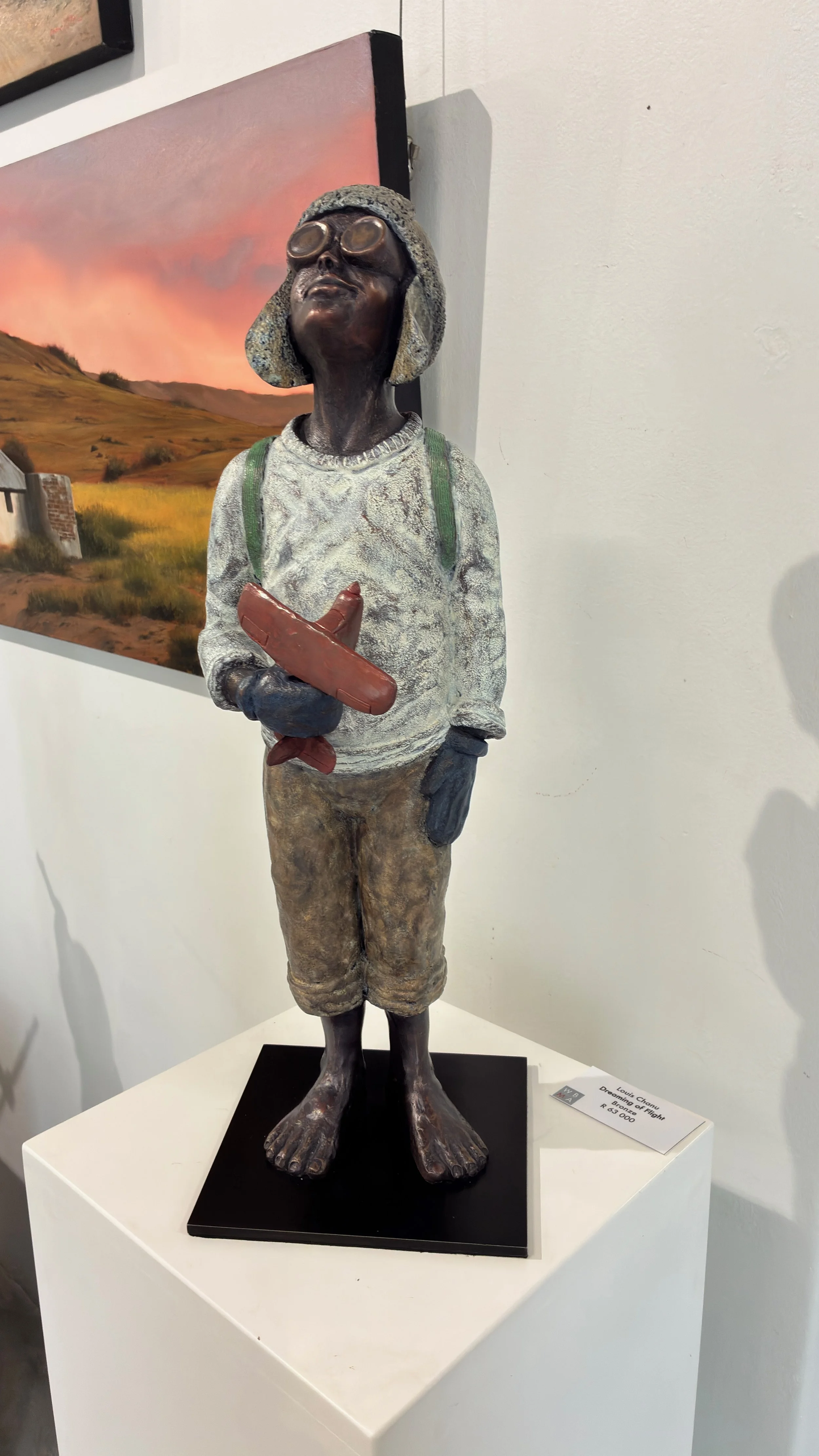
Judd stayed three more days. At Walker Bay Modern Art he found himself drawn to a painting of washing strung between two houses in a Cape wind, and sent Mary a photograph of it. She wrote back that his grandmother would have brought the sheets in hours earlier. At Benguela Cove he tasted wines looking out over the lagoon, then called Cindy and Ava from the terrace. Cindy said she’d pull the old shipping records before they met the solicitor. Ava asked for a copy of the whole ledger page, including the margins. Judd knew she’d start with the stationmaster.
He had breakfast at Rivergate Guest Farm and lingered over his coffee as the mist lifted off the fields by the Klein River. On his last evening he took Mary and Richard to dinner at Stanford Kitchen. They spent most of the meal arguing over which of them had taught him to swim. By dessert they’d agreed on a version in which he’d more or less taught himself, with both of them shouting instructions from different ends of the pool.
On the flight to London, Judd scarcely looked at the man beside him until he asked whether Judd had managed to see the whales. He knew the voice from somewhere. Then the man turned towards him, and Judd recognised Sir Bob Geldof.
Age had changed the face Judd remembered from television, but the eyes were just as he remembered them. There was the same directness, and a kindness he’d been too young to notice when he watched Live Aid with his grandmother in 1985. She’d get up to make tea during the songs she didn’t know and hurry back whenever he shouted that somebody good was on. He remembered the bands. She remembered what Geldof had asked people to do, and for weeks afterwards she kept a collection tin by the kettle.
They spoke a little about the Cape before the cabin lights went down. When they stood to leave at Heathrow, Geldof wished him well, and Judd smiled. He’d been thinking of legacy as something you left behind at the end of your life. His grandmother’s collection tin had gone out with the rubbish decades ago, but he could still see her dropping her change into it. He wanted to leave something that would stay with Ava in much the same way.
In the queue for the jet bridge he took out his phone. He’d meant to ask Ava to send him whatever she found. Instead he asked her to keep a place for him beside her when she opened Vera’s ledger.