Betrayal
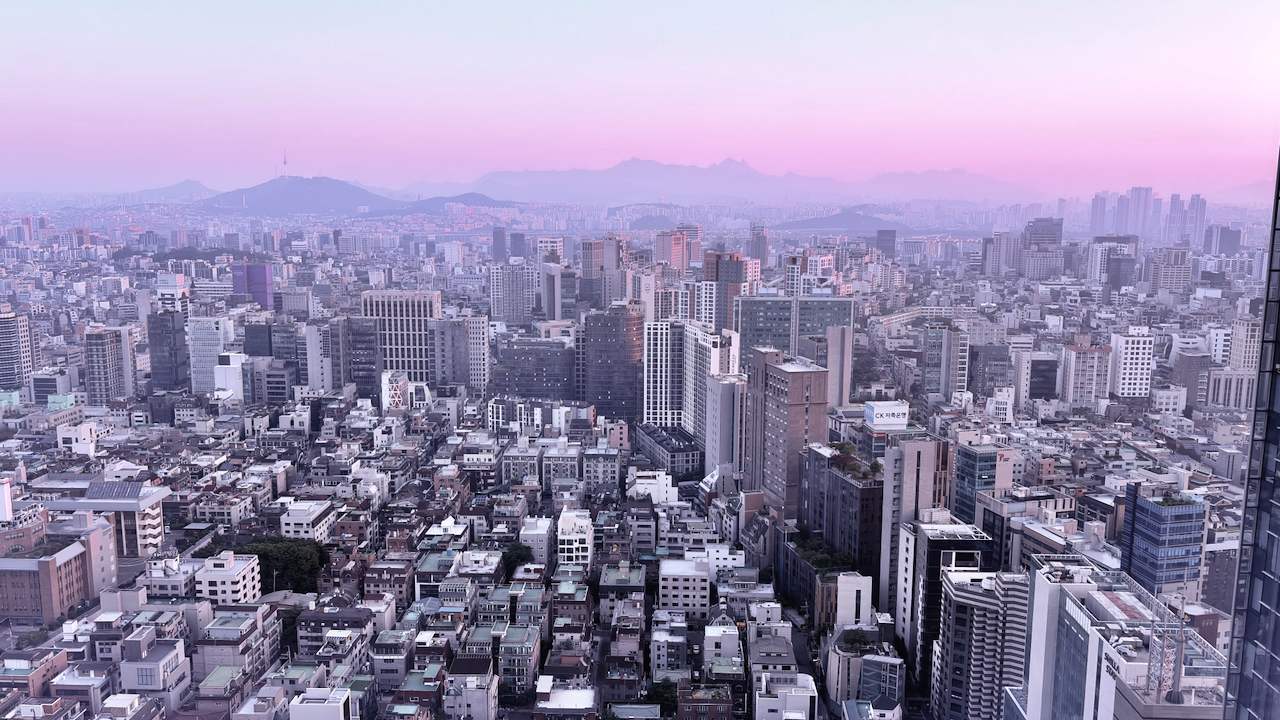
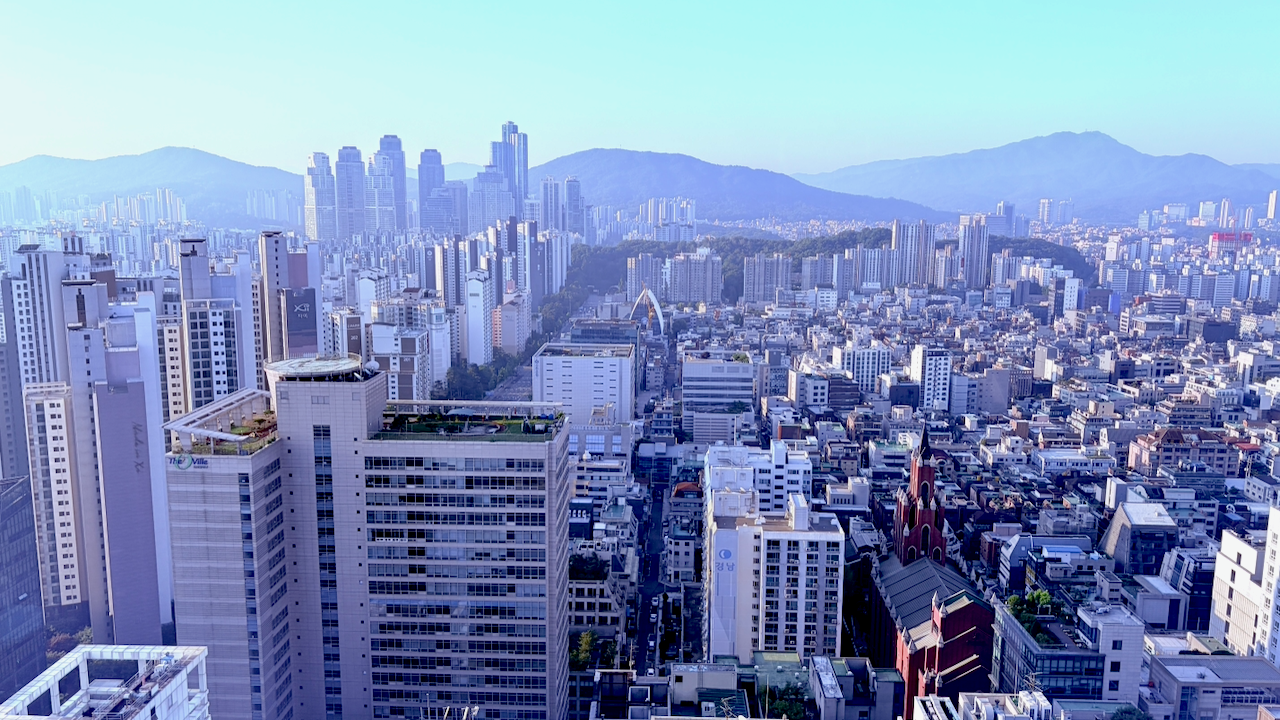
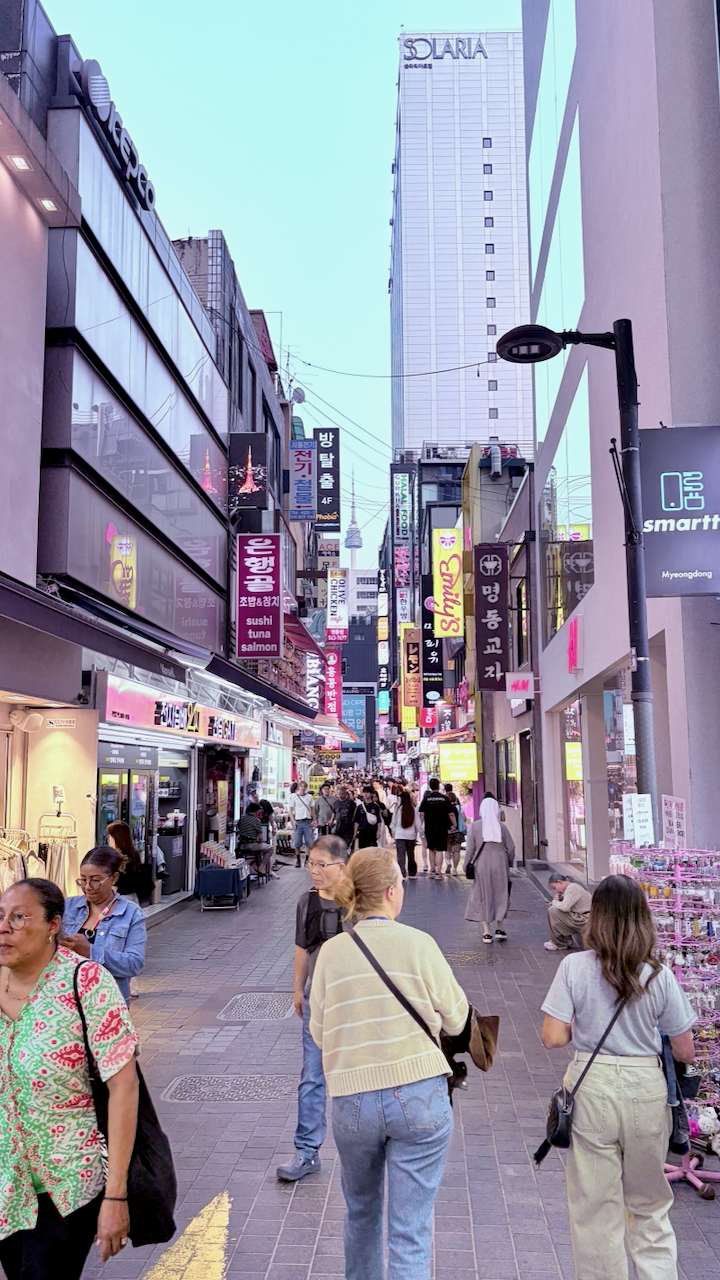
Gangnam at night had the energy of a city determined never to waste a moment. Office towers still glowed above the avenues while restaurants filled with late dinners, cafés served elaborate desserts to crowds who appeared in no hurry to go home, and luxury boutiques displayed immaculate windows beneath the wash of digital billboards.
Judd moved with the pedestrian flow, neither fast enough to attract attention nor slow enough to appear aimless, while the glasses scanned every face that entered his field of view.
Most were dismissed instantly. Green outlines appeared for a fraction of a second before dissolving, replaced by small probability markers that vanished as quickly as they formed. A banker carrying a briefcase, two university students sharing earbuds, an elderly couple walking arm in arm, a delivery rider removing his helmet outside a restaurant; ANNIE examined them all with patient indifference.
“You’re getting clean feeds,” Josh said in his ear. “No interference, no blind spots so far.”
“That sounds almost disappointing.”
“Give it time.”
Judd crossed into one of Gangnam’s more fashionable streets, where storefronts became increasingly theatrical. Seoul had elevated shopping beyond commerce, turning it into a form of performance in which architecture, fashion and technology competed for attention. Some stores resembled galleries, others laboratories, while several appeared to have been designed by people who considered ordinary walls a failure of imagination.
The aroma of warm butter reached him before he saw the bakery.
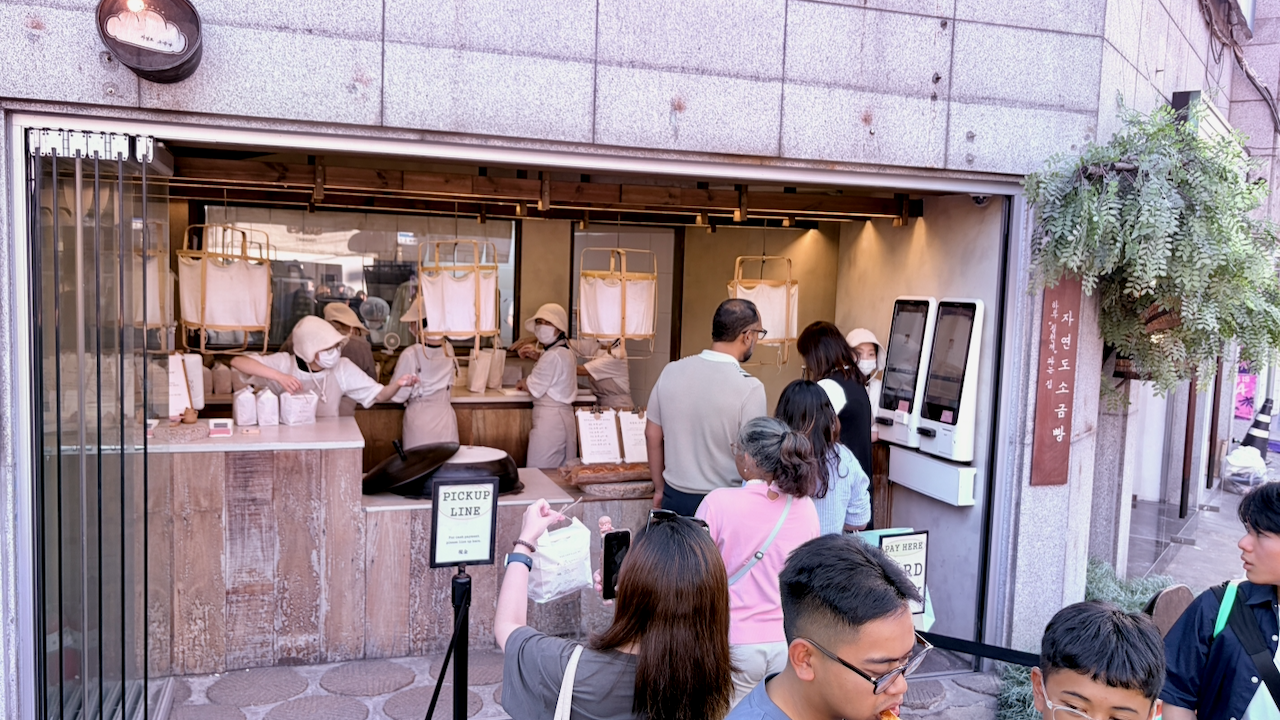
Jayeondo Sogeumppang occupied a modest storefront that might easily have been overlooked were it not for the queue stretching onto the pavement. Customers waited beneath the evening lights while trays of freshly baked salt bread emerged continuously from the ovens behind the counter. The buns were simple in appearance, each one curled into a small golden crescent and finished with a scattering of coarse sea salt, but the smell carried the rich promise of melted butter, toasted flour and yeast.
Judd joined the line.
“You’re on a mission,” Josh reminded him.
“I can do two things at once.”
“You once fell off a loading dock while eating a sandwich.”
“That was tactical misdirection.”
“That was Dijon mustard.”
The queue moved quickly. Judd bought two buns and stepped aside as another tray appeared behind the glass. The first bite revealed why the place had attracted such devotion. The crust broke lightly beneath his teeth while the warm interior remained soft and almost hollow, allowing the butter to collect inside without becoming heavy. The salt sharpened the richness just enough to make the second bite unavoidable.
Judd continued walking with one bun in hand and the other folded into its paper bag.
Josh waited several seconds before asking, “Well?”
“I understand the queue.”
“I hate remote operations.”
The streets grew busier as he approached Apgujeong and Cheongdam, where Seoul’s luxury district unfolded beneath illuminated signs and sculpted façades. The Prada store rose ahead in dark glass and polished metal, its restrained geometry almost severe compared with the visual exuberance surrounding it. Inside, sharply dressed assistants moved between displays of handbags, shoes and tailored clothing while customers examined each item with the concentration of museum curators.
Judd paused outside only long enough for the glasses to sweep the faces near the entrance. No match appeared.
A few blocks farther on, Gentle Monster emerged from the streetscape like an installation from another world. The flagship store was less a conventional retail space than an experiment in perception, its interior filled with kinetic sculptures, strange mechanical forms and immersive displays designed to make visitors forget they had entered to buy eyewear. Groups of young shoppers photographed the installations while staff in minimalist black clothing guided them through the space.
Judd slowed as he passed.
The last time he had been here, Kim Min-jun had led him past the polished displays and through a wall that appeared seamless until it quietly opened beneath his hand. Beyond it lay the hidden laboratory, where advanced optics, augmented intelligence and neural interfaces existed far beyond anything available to the public. The glasses now resting on Judd’s face had come from that room.
“Min-jun’s systems are performing well,” ANNIE said.
“He’d be offended by your surprise.”
“I did not express surprise.”
“You found a diplomatic way to imply it.”
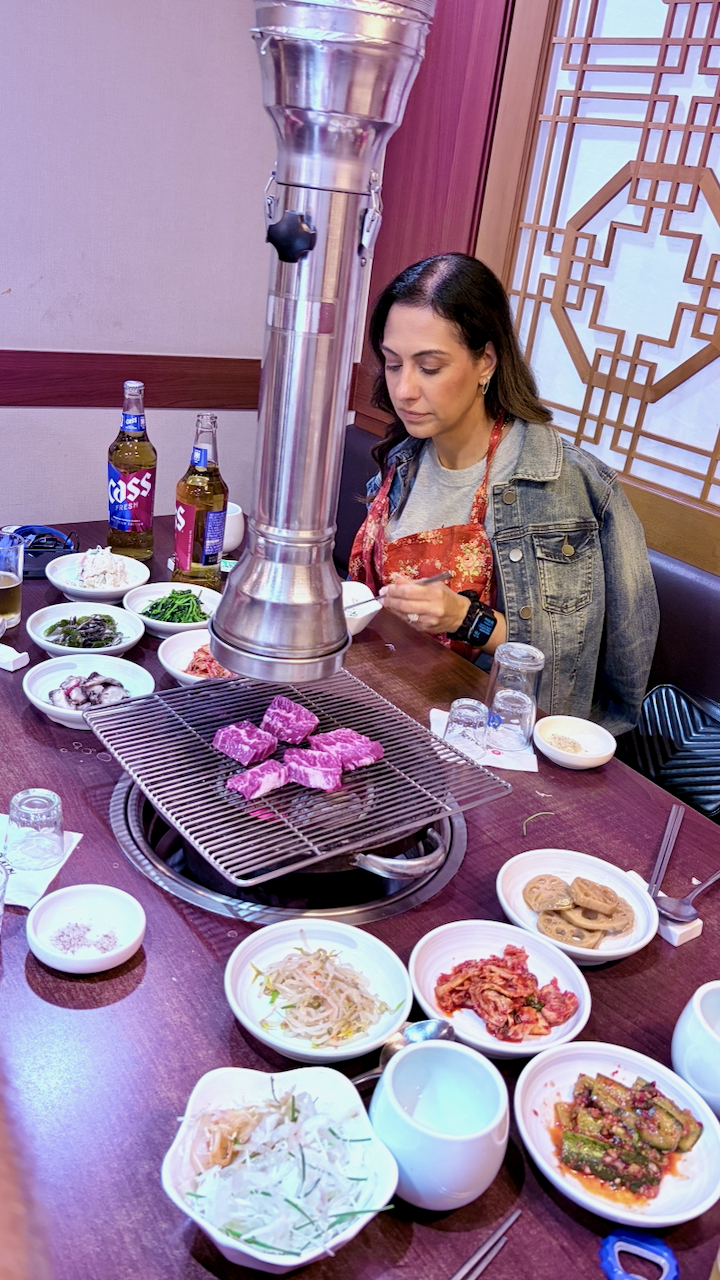
The glasses continued to process the crowd without result. Judd left the store behind and entered a quieter avenue lined with cafés, galleries and luxury residences. The air carried the competing scents of roasted coffee, grilled meat and perfume from the boutiques. Every few metres, another face became briefly illuminated inside the lenses before being dismissed.
Josh had gone quiet, which Judd knew meant he was working.
“What have you found?” Judd asked.
“Possibly the reason Wolf activated the cell.”
Judd adjusted his pace as he crossed beneath a row of gingko trees. “I’m listening.”
“For weeks, we assumed his interest in South Korea was technological. Semiconductors, advanced robotics, artificial intelligence, perhaps access to genetic research. All of those would make sense for the Lazarus Project, but none of them explained Kim.”
“What changed?”
“I stopped reading his intelligence file and started studying his career.”
Kim Seong-ho had spent almost three decades inside one of South Korea’s largest maritime logistics companies, rising from regional operations into the executive ranks before retiring with a respectable pension and an almost invisible public profile. Until now, everyone examining him had treated that career as cover, the ordinary life of a sleeper agent who had hidden in corporate offices while awaiting instructions.
Josh no longer believed that.
“Everyone assumed the logistics company was where Kim concealed his real work,” he said. “What if the logistics company was the real work?”
Judd moved aside as a group of young men spilled laughing from a restaurant. “Explain.”
“Wolf is still trying to solve the Lazarus problem. He needs a way to alter genes and activate the dormant sequences he believes are buried inside human DNA. The biology may be his obsession, but even if he succeeds, a discovery locked inside one laboratory gives him nothing. He would still need access to manufacturing, storage, transport and distribution on a global scale.”
“So he’s building the route before he has the cargo.”
“Exactly. We’ve been looking at his investments as separate moves, but they aren’t. Singapore gives him access to one of the world’s great maritime chokepoints. Cape Town gives him reach across southern shipping routes. His interests in freight forwarding, warehouses and port technology create visibility across the system. South Korea adds some of the largest shipping firms, shipbuilders and logistics networks on the planet.”
Judd looked toward the traffic moving along the avenue, where trucks and delivery vans flowed through the city with the same efficiency as the pedestrians around him. Far to the south, Busan’s container terminals would be working beneath floodlights, loading vessels bound for ports across Asia, Europe, Africa and the Americas.
“He isn’t trying to own the system,” Judd said.
“No. That would be obvious and almost impossible. He only needs influence at enough critical points that the system begins serving him without ever knowing it.”
“And Kim?”
Josh paused, and Judd could hear the faint rhythm of keys through the connection.
“Kim may be one of the architects. Not because he stole secrets from the network, but because he spent thirty years becoming part of it. He knows the people, the unwritten rules, the routing habits, the places where decisions are made informally and the pressure points that never appear on an organizational chart.”
Judd let the thought settle. Sebastian Wolf had never been interested merely in possessing technology. He wanted systems—networks so large that no single person fully understood them, yet so essential that a small disturbance could ripple across continents. The Lazarus Project remained the heart of his plan, the impossible ambition to interfere with human genetics and awaken what he believed lay hidden in so-called junk DNA, but the arteries surrounding that heart were made of ports, cargo terminals and shipping lanes.
“I don’t understand one thing,” Judd said. “Why wake Kim now, after all these years?”
Josh was silent for a moment before answering. “Because Kim was never an intelligence officer first.”
“What was he?”
“A logistics man.”
The reply was so simple that it carried more weight than any elaborate explanation.
Josh continued. “Everyone assumed his mission was gathering secrets. I think we’ve all been asking the wrong question.”
“What’s the right one?”
“What if his mission was never to spy on the network?”
Judd waited.
“What if his mission was to become part of it?”
A soft chime interrupted them.
The glasses had isolated a face thirty metres ahead.
The man was crossing the pavement at an unhurried pace, dressed in a navy blazer and pale shirt, with neatly combed grey hair and an old leather briefcase hanging from his right hand. He looked like any retired executive returning from dinner, respectable enough to be ignored and ordinary enough to be forgotten.
A pale blue outline settled around him while the confidence score began to climb.
43%
The man paused outside a café and glanced briefly toward the window.
67%
He resumed walking.
84%
Judd maintained his pace, allowing the distance between them to close naturally.
96%
The display stabilized.
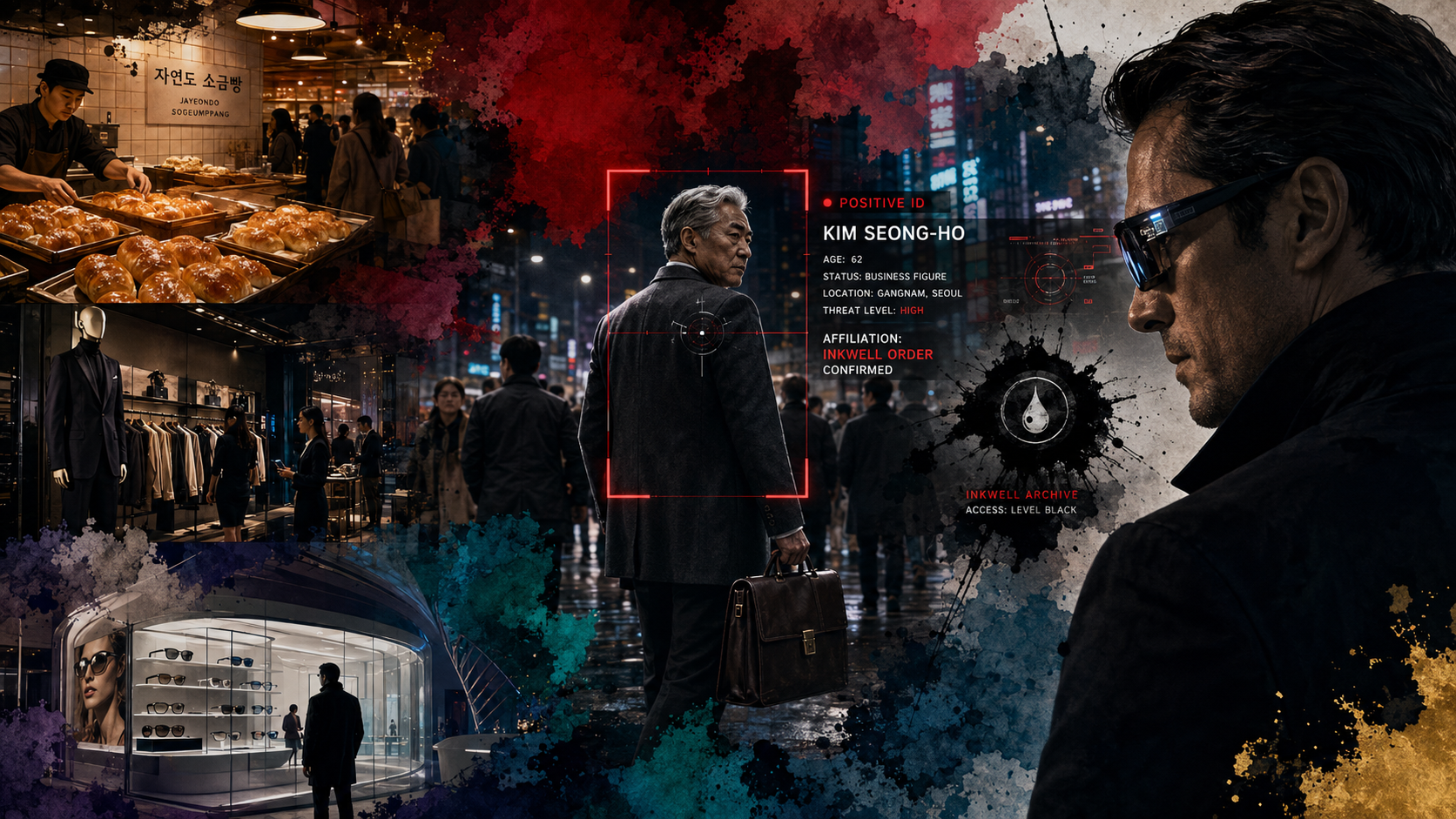
99.4% — IDENTITY CONFIRMED
A file opened beside the man’s face.
KIM SEONG-HO
AGE: 68
FORMER EXECUTIVE VICE PRESIDENT
MARITIME LOGISTICS
STATUS: ACTIVE
PRIORITY: CRITICAL
“I have him,” Judd said quietly.
“I see him.”
Kim continued along the avenue without any indication that he had been identified. Judd resisted the impulse to study him too closely and instead allowed his gaze to move across the storefronts, keeping the man at the edge of his vision while ANNIE collected everything she could.
Then a second file began to open.
The interface darkened as the public intelligence profile receded and a deeper archive emerged beneath it, protected by encryption Judd recognized as belonging to The Order. The access protocols unfolded in layers until a black ink drop appeared in the corner of the display, spreading slowly against the transparent field.
Judd’s stride shortened almost imperceptibly.
“What is that?” Josh asked, though his tone suggested he already knew.
Historical records replaced the surveillance data. Membership references appeared beside dates from the late 1980s, followed by redacted mission reports and a clearance designation Judd had rarely encountered outside the most restricted sections of The Order’s archive.
The file resolved into a simple heading.
THE INKWELL ORDER — HISTORICAL MEMBERSHIP ARCHIVE
Beneath it appeared the name they had spent weeks trying to uncover.
KIM SEONG-HO
CONFIRMED INITIATE
INDUCTED: 1989
For several seconds Judd walked in silence as the crowd moved around him. Kim was not merely connected to North Korean intelligence, and he was not simply a sleeper who had embedded himself inside South Korea’s shipping industry. At some point in his life, he had also sworn loyalty to The Inkwell Order.
“Josh,” Judd said.
“I’m opening the complete record.”
Kim turned onto a narrower street, his briefcase swinging lightly beside him. Judd followed at a safe distance while the glasses continued decrypting the archive.
“This doesn’t make sense,” Josh muttered. “There’s no resignation notice, no disciplinary action and no record of compromise.”
“Was he expelled?”
“That’s what I’m checking.”
The answer arrived a moment later.
Josh stopped typing.
When he finally spoke again, the usual humour had vanished from his voice.
“No.”
Judd watched Kim disappear briefly behind a passing bus before reappearing on the other side of the street.
“What do you mean, no?”
“He was never expelled, Judd.”
The words settled into place with all the force of a trap closing.
Kim Seong-ho had served North Korean intelligence. He had spent decades inside one of the world’s most important logistics networks. Sebastian Wolf had now awakened the cell he once commanded.
And according to The Order’s own sealed records, Kim had never stopped being one of them.