The Races
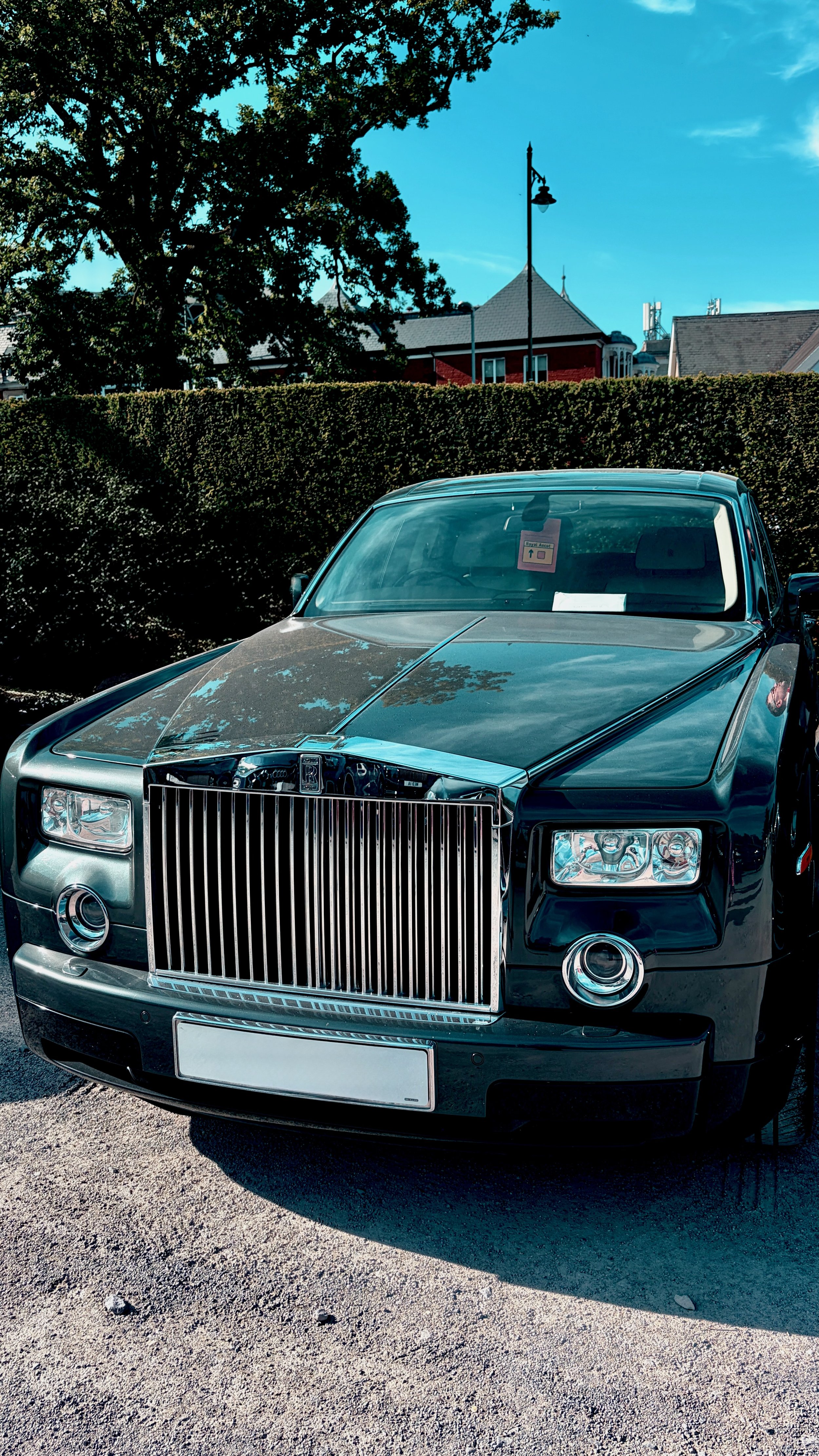
The Rolls-Royce Phantom moved through Windsor Great Park like a black ship under full sail, its polished bonnet reflecting fragments of the summer sky as it joined the procession of Bentleys, Range Rovers and vintage Daimlers making their way towards Ascot.
Behind the wheel, separated from the rear compartment by smoked glass, Sebastian Wolf’s chauffeur sat rigidly upright in a charcoal uniform and peaked cap. He neither spoke nor glanced into the mirror. Wolf preferred his servants that way—present, precise and invisible.
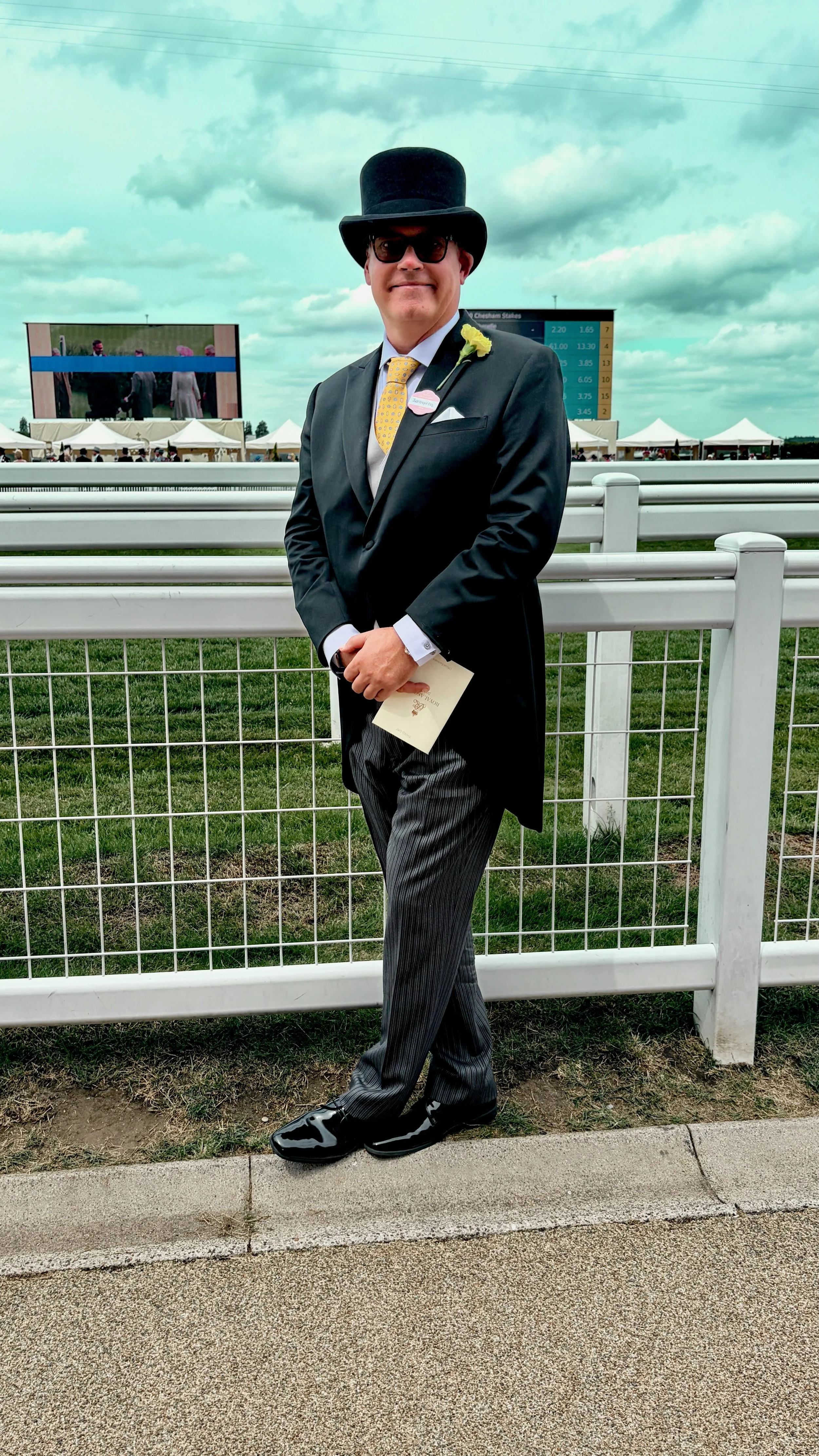
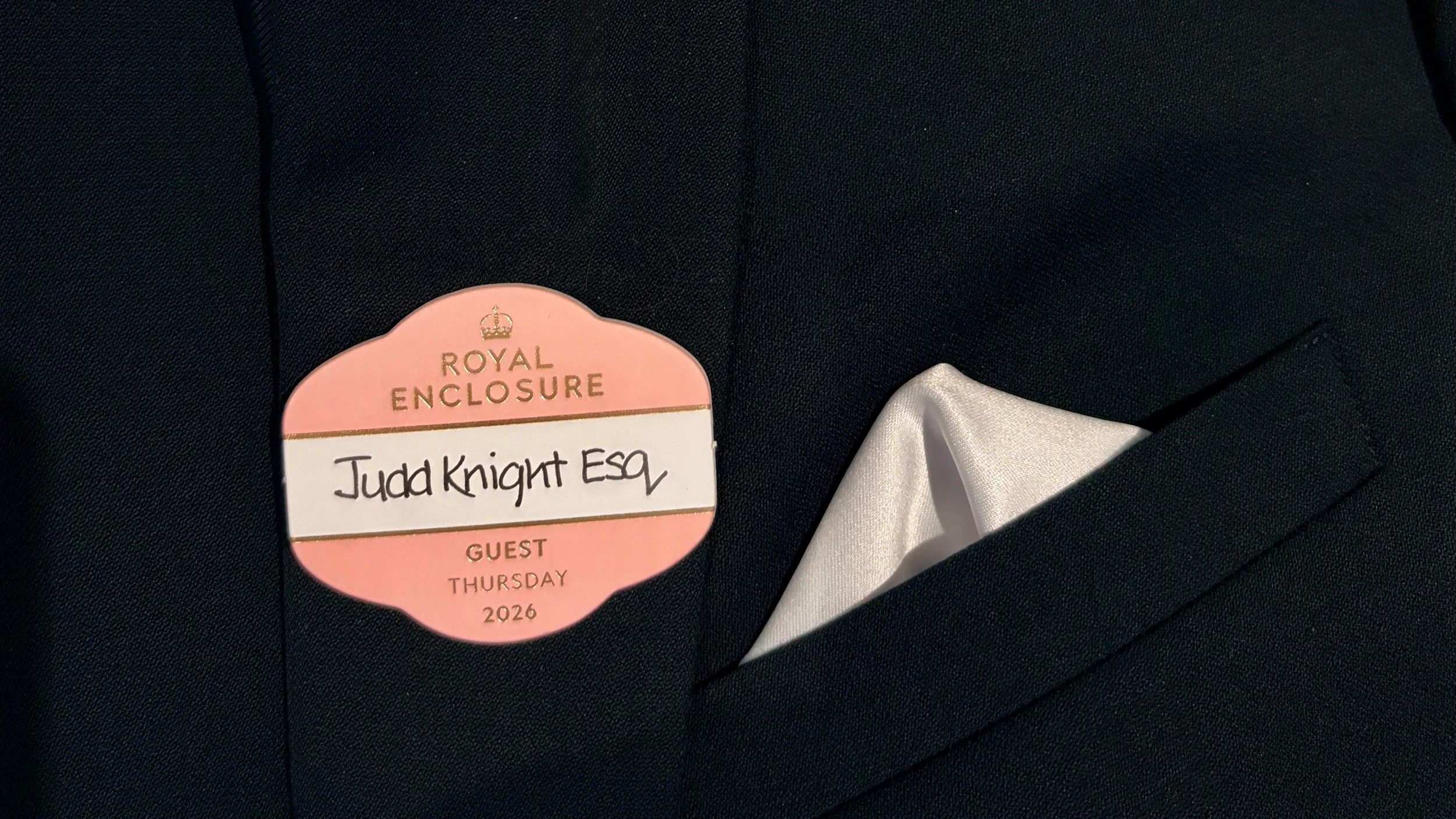
In the rear compartment, Wolf adjusted the pale silk handkerchief in the breast pocket of his morning coat. The suit had been cut on Savile Row, although not with the conservative restraint normally expected at Royal Ascot. Its cloth possessed the faintest blue sheen, visible whenever it caught the sunlight, while his dove-grey waistcoat and deep crimson tie were completed by a gold wolf’s-head pin at his throat. Beside him rested a black top hat and a silver-tipped cane he did not need, but which had been selected because it completed the effect.
As the Phantom approached the racecourse, Wolf glanced at his telephone and saw that the odds on Sovereign’s Eclipsehad shortened again. The horse belonged to Acheron Bloodstock, an Irish company owned through a Luxembourg holding group and ultimately controlled by three trusts whose beneficiaries did not officially exist. Only a handful of people knew the thoroughbred belonged to Wolf, although by the end of the afternoon considerably more would suspect it. That was exactly how he wanted it.
The Rolls-Royce stopped beside the private entrance, where a footman opened the rear door and Wolf emerged into a burst of camera flashes. Heads turned as he placed the top hat on his head, collected the silver-tipped cane and surveyed the gathering with the satisfaction of an actor arriving halfway through a performance and discovering that the audience had been waiting for him.
“Mr Wolf,” one of the photographers called.
Wolf paused long enough to offer him a smile. There was no attempt to shield his face, no security detail pushing the cameras aside and no hurried movement towards the entrance. Sebastian Wolf did not hide from attention; he regarded it as a form of tribute.
Thirty metres away, Judd watched through a pair of compact binoculars.
“He’s subtle,” Brock murmured.
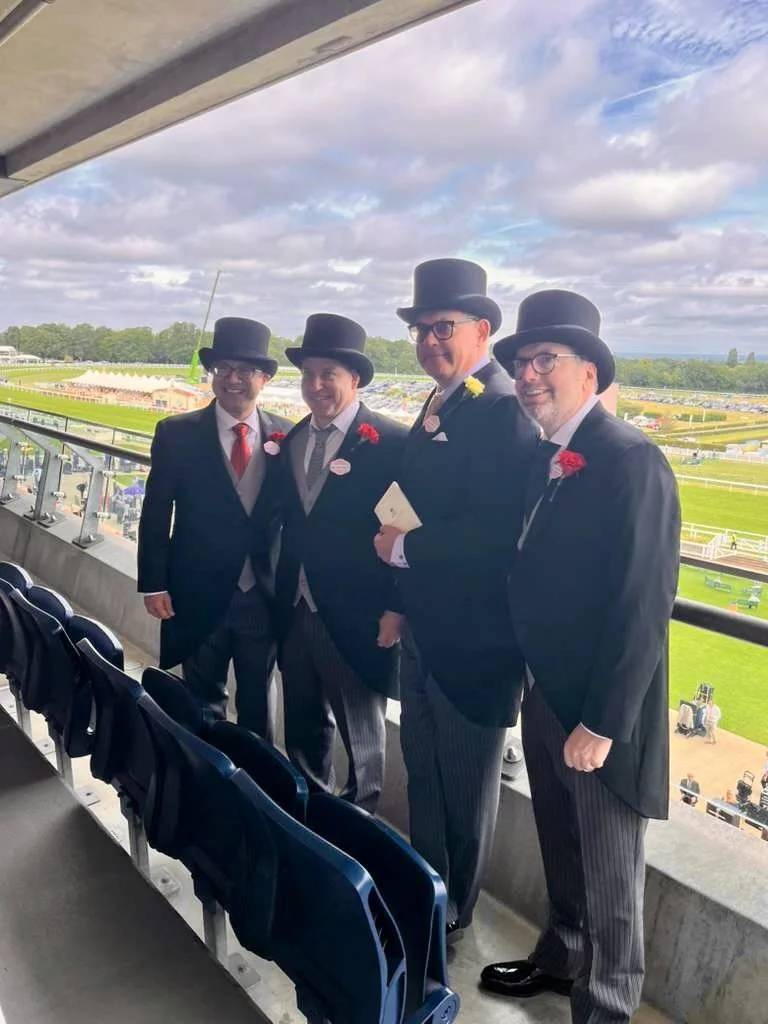
Judd lowered the glasses and glanced at him. Brock wore a perfectly fitted black morning coat, but his broad shoulders and natural stillness made him look less like a racegoer than a man employed to remove one. The grey top hat did little to soften the impression.
“Subtlety is for people who fear being noticed,” Judd said.
“And Wolf doesn’t?”
“Wolf fears being ignored.”
They allowed the crowd to carry them towards the entrance, keeping several groups between themselves and their quarry. Judd had exchanged his usual tweed for formal morning dress, although his waistcoat retained a faint rust-coloured check—just enough rebellion to satisfy him. Behind the dark frames of his glasses, his eyes moved constantly across the faces surrounding Wolf.
Inside the enclosure, Wolf was welcomed by the Marquess of Calder, a thin, silver-haired man whose family had possessed land, parliamentary influence and a steadily diminishing fortune for more than three centuries. Accompanying him were Lord Edmund Saye, a former defence minister, and Sir Alistair Wren, chairman of a private merchant bank that publicly specialised in infrastructure investment. According to Josh, its less public speciality was making inconvenient money respectable.
The men greeted Wolf with a warmth that suggested more than a passing acquaintance. Calder placed one hand on his shoulder and leaned close to speak, prompting an amused response from Wolf and a brief glance from Saye towards the surrounding crowd. It was the practised movement of a man checking a room without wanting anyone to notice that he was checking it.
“There are our philanthropists,” Brock said.
Judd touched his lapel, beneath which sat a receiver no larger than a shirt button. Twenty minutes earlier, near the owners’ entrance, Brock had brushed against Sir Alistair Wren and apologised for spilling a drop of champagne onto his sleeve. During that brief collision, he had fixed a wafer-thin acoustic transmitter beneath the edge of Wren’s lapel.
The device had activated, but the signal reaching Judd’s earpiece was weakened by the surrounding noise. He heard references to a Baltic corridor and three facilities that needed to be operational before November, but static swallowed the words between them. A sudden burst of laughter obscured another exchange before Wolf’s voice emerged, smooth and unhurried.
“Governments purchase armies, Alistair. Visionaries manufacture them.”
Judd looked at Brock and saw from his expression that he had heard it too.
“That should get Annie’s attention,” Brock said.
Judd tapped the control concealed beneath his cuff, sending the encrypted audio stream across the Atlantic. In New York, Josh would clean the recording, separate the voices and pass the surviving fragments to Annie. The AI agent would compare what they had captured with speech patterns, financial records, shipping movements, satellite imagery and every piece of intelligence The Order had assembled on Black Tide. If Wolf’s conversation contained a connection to something already hidden inside their data, Annie would find it.
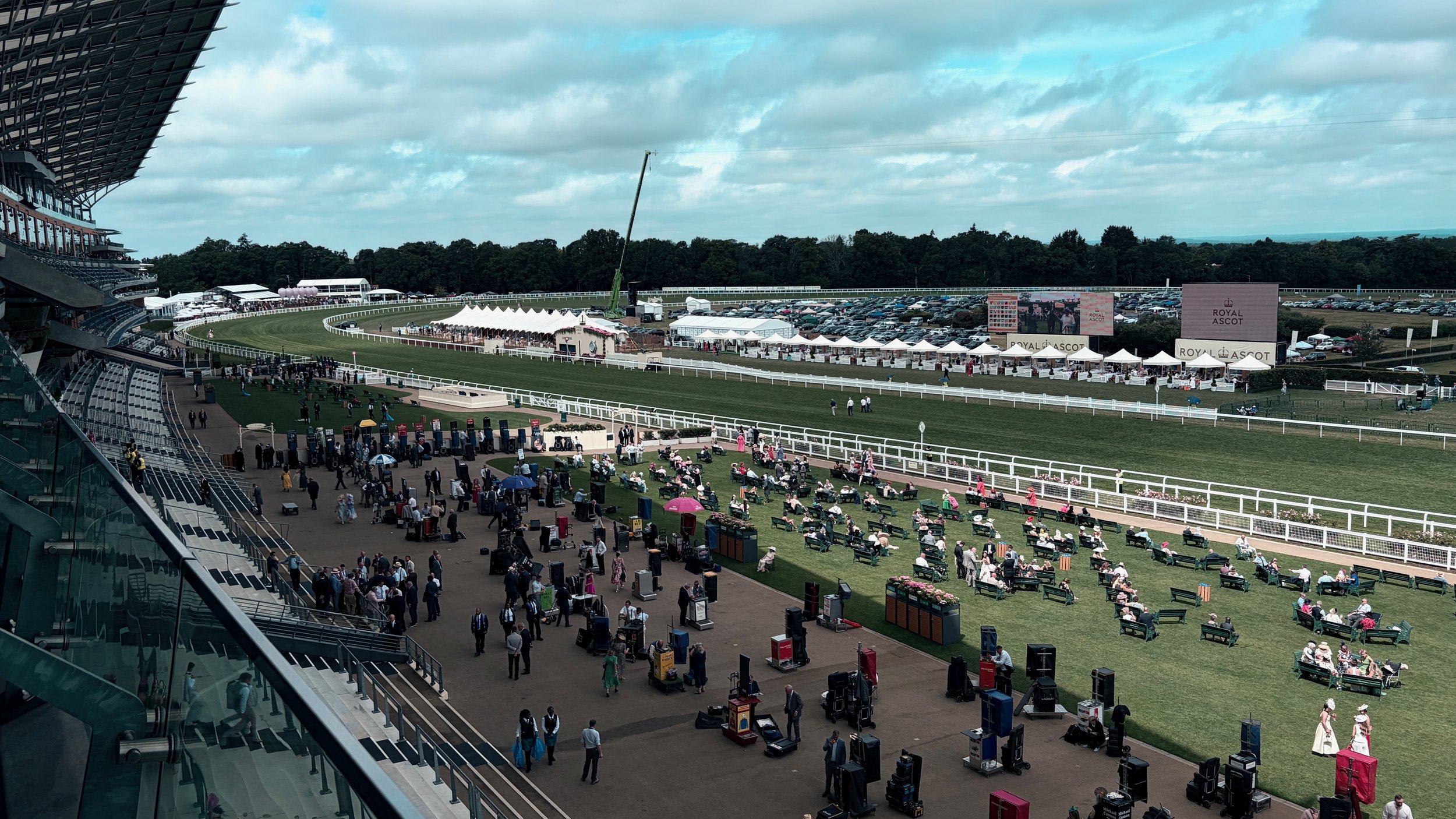
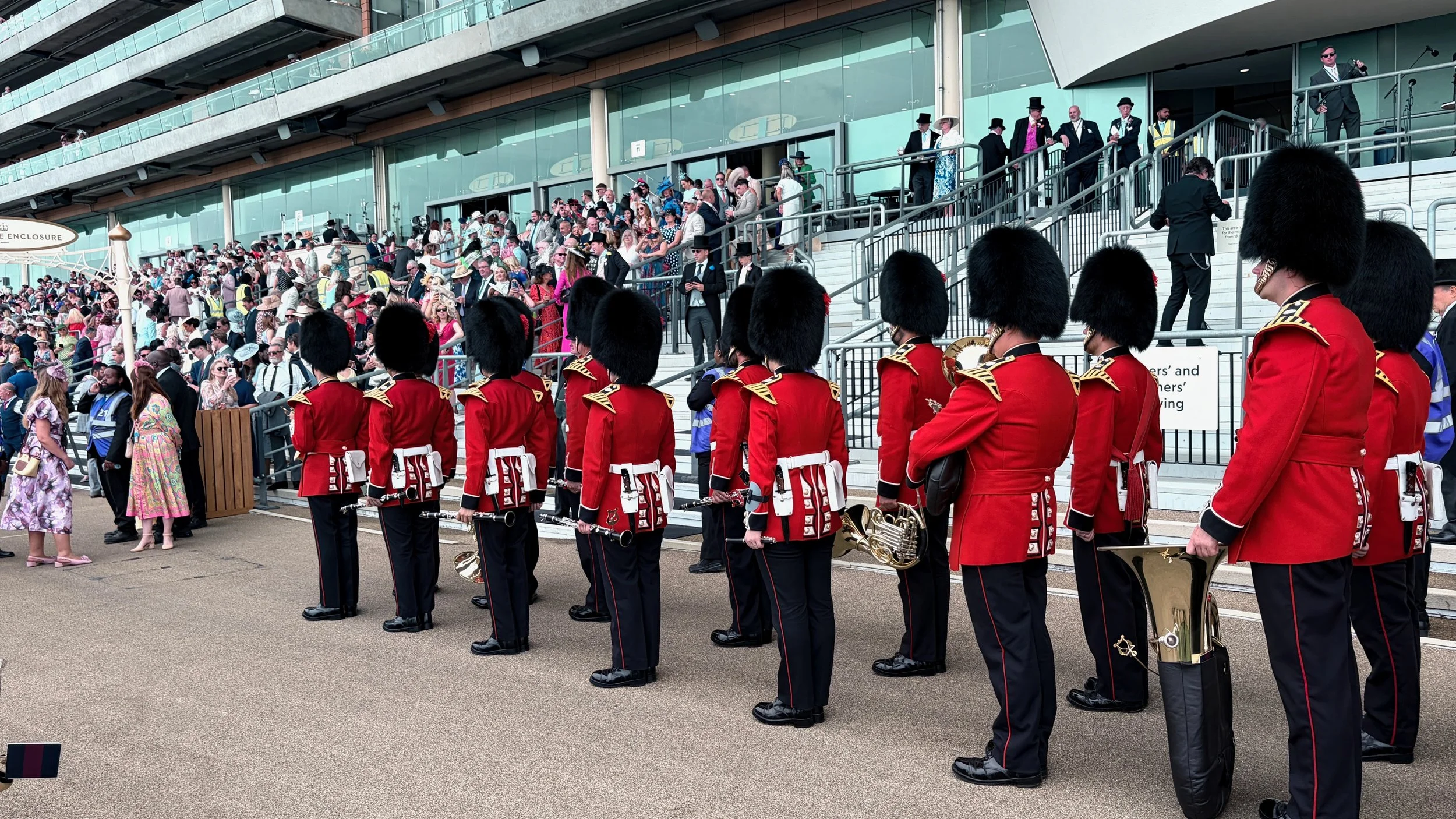
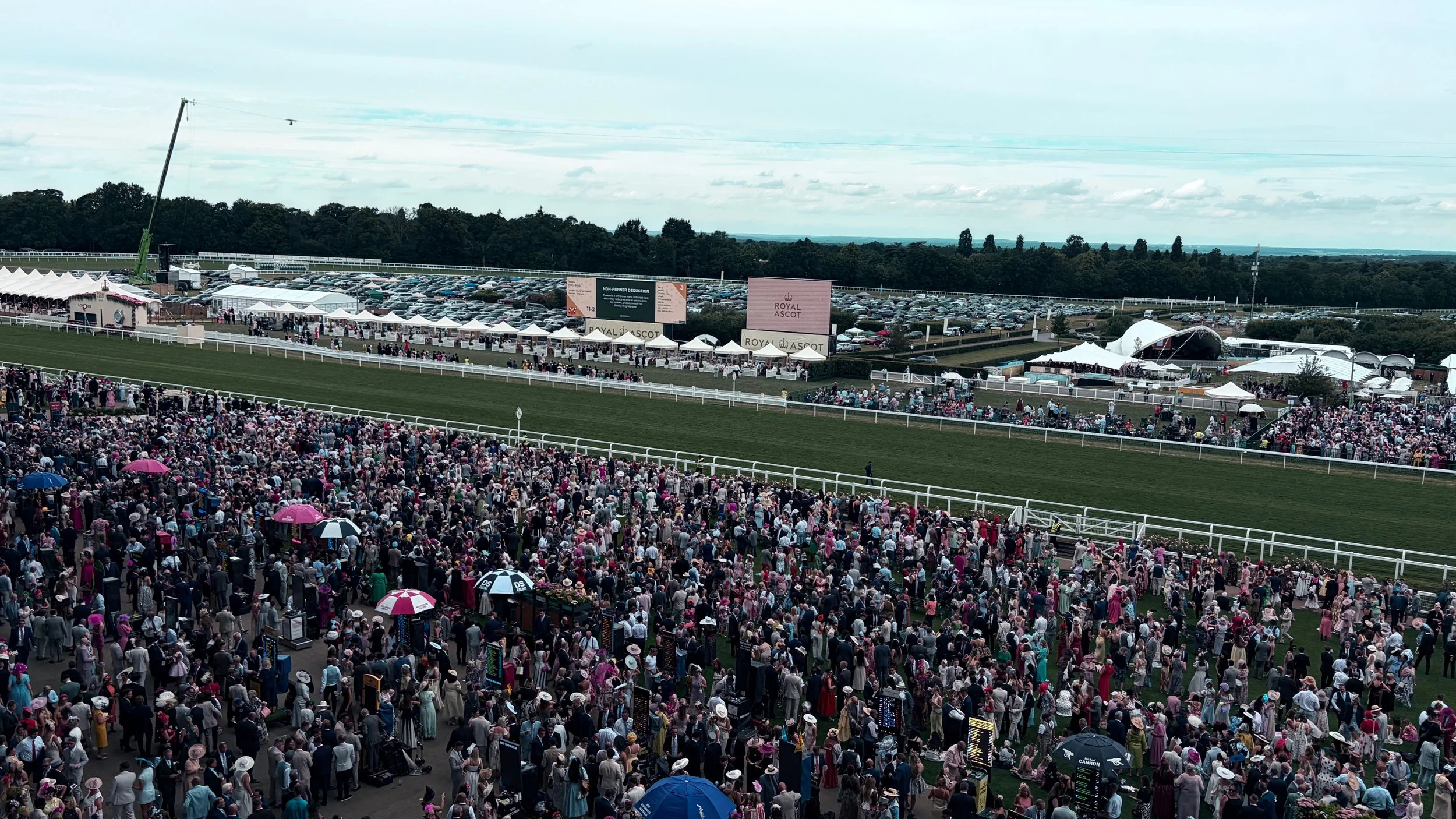
Wolf and his companions entered the Royal Enclosure, with Judd and Brock following far enough behind to remain inconspicuous. Beyond the grandstand, the lawns formed a moving tapestry of silk dresses, extravagant hats and black morning coats. Champagne circulated on silver trays, bookmakers called the latest odds and thoroughbreds passed through the parade ring with their muscles gleaming beneath immaculate coats. Everything had been arranged to appear effortless, although Judd understood how much work and money were required to make wealth look natural.
Wolf moved through this world as though the entire institution had been constructed in anticipation of his arrival. He spoke easily with financiers, diplomats, actors and members of Europe’s old families, remembering each name and offering every person precisely the degree of attention their position required. He laughed at the correct volume and touched people lightly on the arm, creating an illusion of intimacy without surrendering anything of himself.
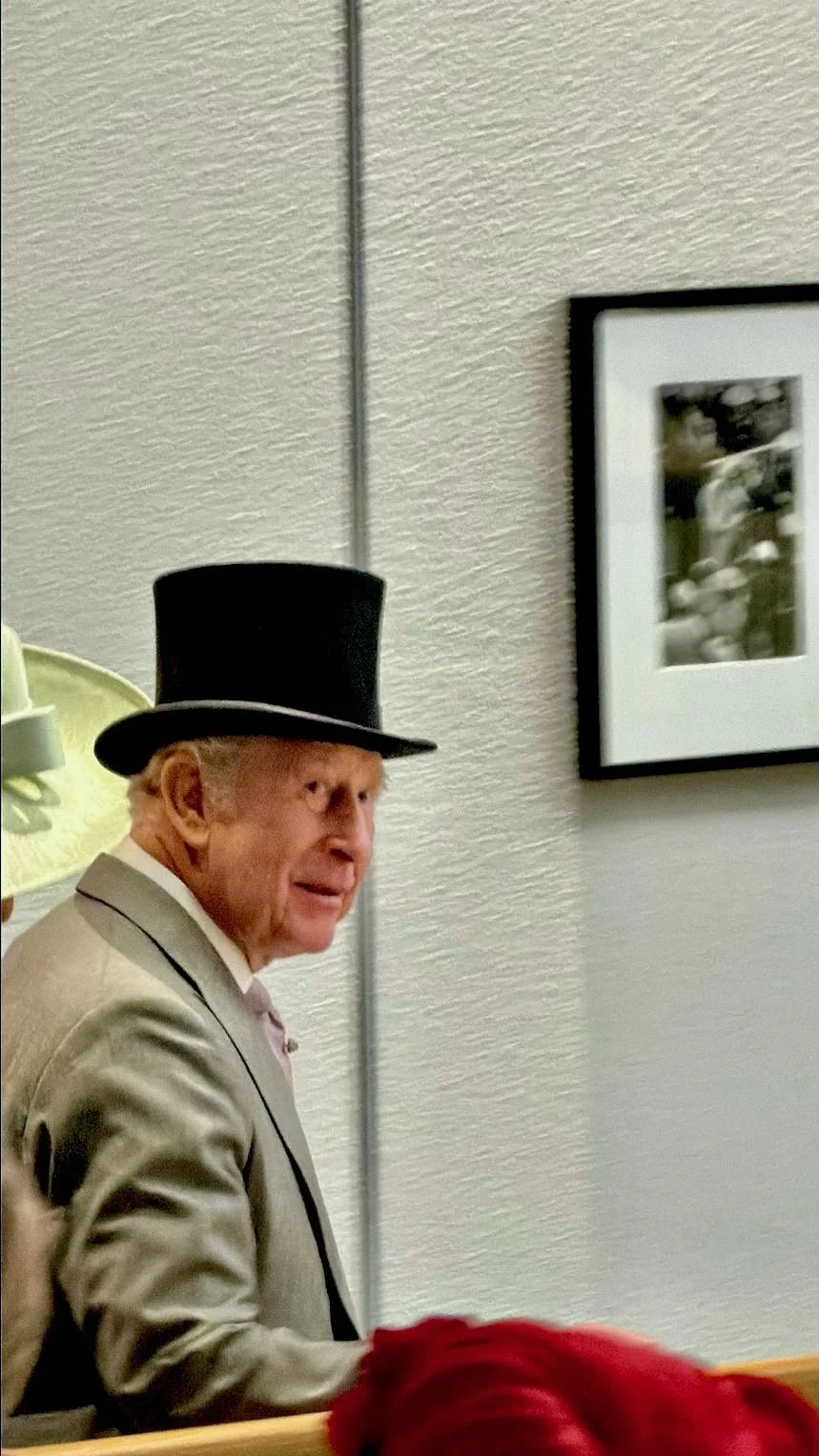
The atmosphere changed when King Charles entered the enclosure. Conversations softened, hats were adjusted and backs straightened as Calder guided Wolf forward to make the introduction. From where he stood, Judd could not hear what passed between them, but he watched Wolf remove his top hat and bow his head with faultless precision. The King made a remark that prompted smiles from the surrounding group, and Wolf’s response held Charles’s attention for an extra moment before the exchange concluded.
It was brief, courteous and entirely ceremonial, yet Wolf emerged from it glowing with satisfaction.
“He’ll have photographs of that circulating before the next race,” Brock said.
“Not the photograph. The association.”
“With the King?”
“With permanence, tradition and legitimacy.” Judd watched Wolf replace his hat. “A man building a private empire wants the world to believe it has already been accepted by the old ones.”
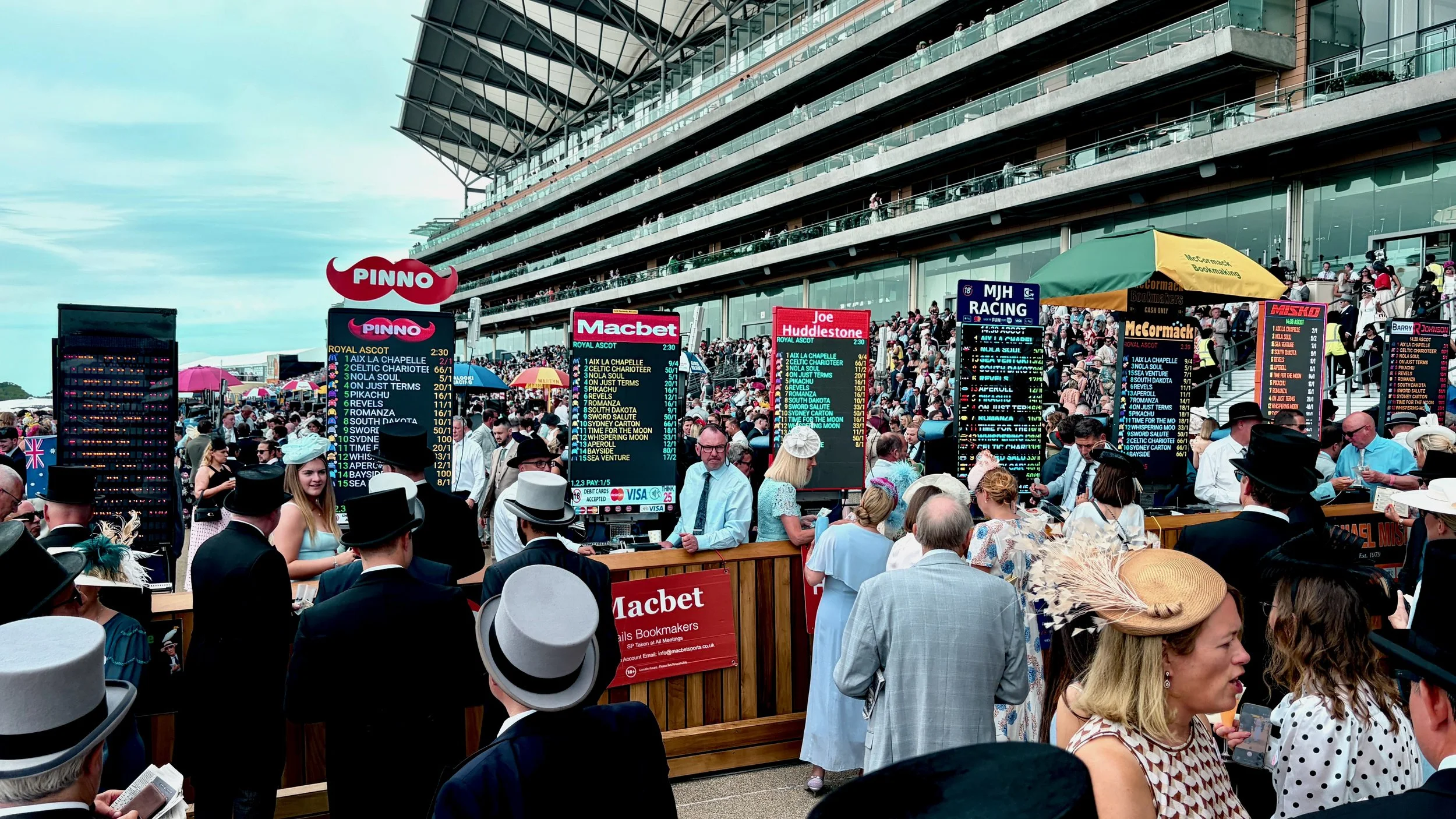
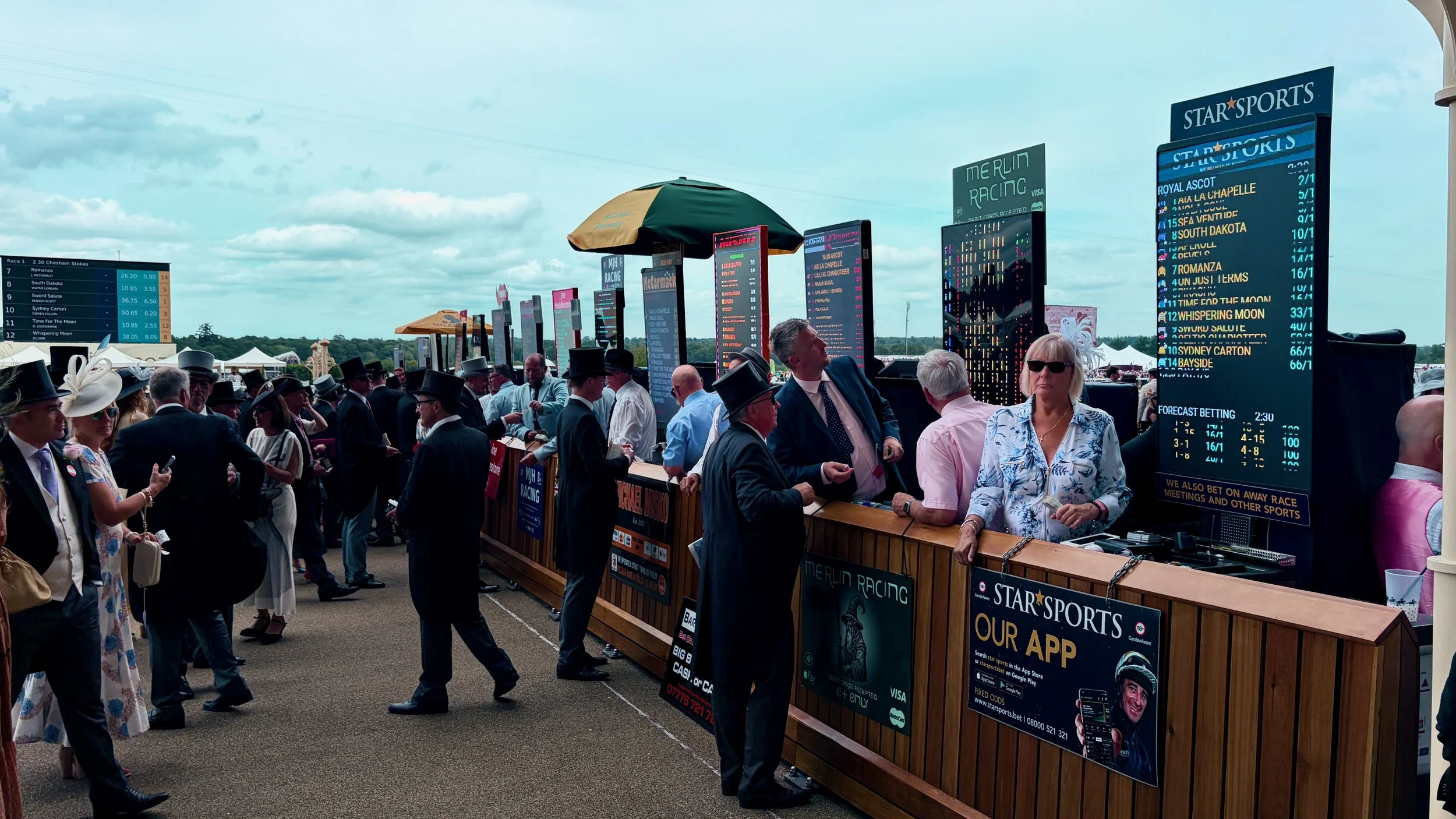
The bell sounded for the fifth race, and Wolf proceeded towards the betting ring with Calder and Wren beside him. At one of the private bookmakers, he placed a wager and surrendered the betting slip without inspecting it.
Brock consulted the display board. “He’s put two hundred and fifty thousand pounds on number seven.”
“His own horse.”
“Bit vulgar, isn’t it?”
“Only if it loses.”
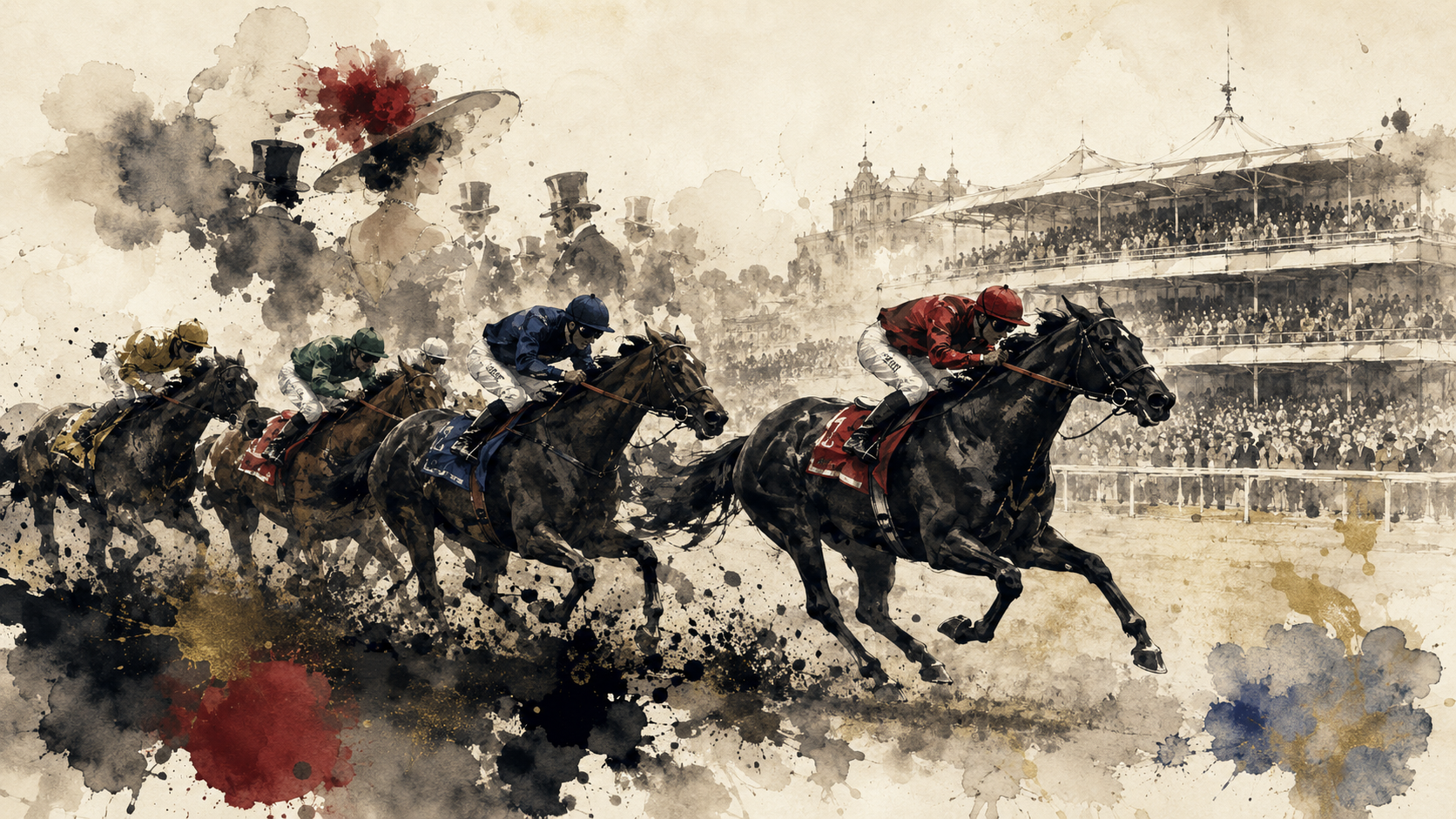
They followed the movement of the crowd towards the viewing terrace as the horses were loaded into the starting stalls. Sovereign’s Eclipse was a dark bay colt, almost black except for the narrow white blaze running down its face. It tossed its head once as it fought the bit, then settled into an unnatural stillness while the final horses moved into position.
When the gates opened, the field surged forward beneath a rising wall of sound. Wolf’s horse remained boxed behind three runners for the first half of the race, leaving Calder peering anxiously through his binoculars and Wren gripping the rail with both hands. Wolf alone appeared unconcerned, standing motionless with his cane balanced across one arm.
A gap appeared as the horses entered the final bend, and Sovereign’s Eclipse drove through it. The colt accelerated with startling violence, devouring the distance between itself and the leader as the crowd climbed to its feet. Wolf remained silent until the final hundred metres, when his horse pulled level, edged ahead and crossed the finish by half a length.
Only then did Wolf abandon his composure. He threw both arms into the air and released a triumphant laugh that turned heads across the terrace. He embraced Calder, seized Wren by the shoulders and shouted something into his face as champagne appeared around them almost instantly. For several minutes, Sebastian Wolf celebrated not like a gentleman whose horse had won a race, but like a conqueror watching his flag rise over newly claimed territory.
Judd studied the people gathering around him. Some genuinely wanted to share in the victory, while others merely wanted to be seen sharing it. Standing apart from both groups, beneath the shade of the grandstand, was a familiar figure.
Vinod wore a pearl-grey morning coat with a black velvet collar, a cream waistcoat and gloves the colour of old ivory. His top hat rested at a slight angle that appeared fashionable without seeming careless. He held no champagne and displayed no interest in the winning horse; his attention was fixed entirely on the men surrounding Wolf.
“Eleven o’clock,” Judd said.
Brock followed his gaze. “Vinod.”
“As always.”
“Did he follow Wolf here?”
“That would imply he works for us.”
Brock looked at him. “You think he doesn’t?”
“I think Vinod works for whichever side has not yet realised it needs him.”
As though he had sensed their scrutiny, Vinod turned and looked directly across the crowded terrace at Judd. There was no surprise in his expression. He merely raised two gloved fingers to the brim of his hat in a gesture so restrained that Brock almost missed it. Lord Saye crossed between them a second later, and by the time he had passed, Vinod had disappeared.
Wolf’s party left the terrace and proceeded towards the winner’s enclosure. The transmitter continued to move with Wren, but the noise of the crowd distorted the recording. Judd caught references to a final tranche of money, Wolf Maritime and some form of exclusive access. He was concentrating on the broken phrases when a quieter voice slipped through the interference.
“Vinod assures us the Americans will remain blind.”
Judd slowed, turning towards Brock. “Did you hear that?”
Brock nodded, but before either of them could catch more, the audio dissolved into static. Judd searched the terrace for Vinod and found only the place where he had been standing. Whether Vinod had offered the assurance himself or merely allowed his name to be used, there was no way to know. What had become clear was that he had not come to Ascot to watch horses. He was part of the transaction, although whether he belonged to Wolf, Calder or some third party remained uncertain.
“Send the last thirty seconds separately,” Judd said. “Priority channel.”
Brock touched the control beneath his cuff and waited for the confirmation. “Gone.”
Wolf eventually returned from the winner’s enclosure surrounded by admirers, carrying his top hat in one hand and a bottle of champagne in the other. He passed the bottle to a waiter without looking and, as his companions became distracted by a racecourse official, moved into the adjoining corridor alone.
Judd recognised the opportunity at the same moment as Brock. If they could pass close enough to Wolf, the scanner concealed beneath Judd’s watch might confirm whether he was carrying a second transmitter or some other electronic device. No prolonged contact would be necessary; the brush of a sleeve or the lightest touch against his coat would be enough.
They entered the corridor and began closing the distance, but a group of women in extravagant hats crossed in front of them, forcing Judd to alter his path. A steward stepped backwards without warning, someone laughed nearby and, as Judd moved around them, Sebastian Wolf turned the corner directly into him.
Their shoulders collided, sending Wolf’s top hat from his hand and onto the carpet. For a moment, the voices in the corridor seemed to recede as the two men assessed one another. Judd bent, retrieved the hat and handed it back.
“My apologies,” he said.
Wolf accepted it without taking his eyes from Judd’s face. At close quarters, he appeared younger than he did in photographs and considerably more dangerous. His expression was pleasant, almost amused, but behind it lay a cold precision, as though every person he encountered was immediately weighed, classified and stored for possible future use.
“No harm done,” Wolf said.
His gaze moved briefly over Judd’s rust-check waistcoat before settling on the Omega at his wrist.
“You don’t strike me as a racing man.”
“I appreciate anything that reveals character under pressure.”
Wolf’s smile widened. “And what do horses reveal?”
“Mostly the character of the men betting on them.”
Something sharpened behind Wolf’s eyes, although it disappeared almost immediately beneath a short laugh.
“Sebastian Wolf,” he said, offering his hand.
Judd looked at it for a moment before accepting. “Judd.”
The scanner beneath his watch vibrated once as their hands met, confirming that Wolf was carrying an active signal. Neither man released his grip immediately. Wolf’s expression remained cordial, but his attention had become absolute, and Judd had the unsettling impression that their apparently accidental encounter was already being pulled apart and examined inside his mind.
Behind Wolf, Lord Calder called his name. Farther along the corridor, beyond Calder’s shoulder, Vinod had reappeared beside a private doorway. He watched the two men with the faintest trace of a smile, looking less like an observer than someone seeing the final move of a plan fall neatly into place.
Wolf released Judd’s hand at last.
“Judd,” he repeated, testing the name. “I have the strangest feeling that we shall meet again.”
Judd glanced towards the sunlight beyond the corridor, where the royal colours moved above the cheering crowd and Sovereign’s Eclipse was being led before its admirers.
“I’d be surprised if we didn’t.”
Wolf replaced his top hat and walked away to rejoin Calder. Judd waited until he had disappeared into the crowd before turning towards the private doorway, but Vinod was already gone.
Brock stepped alongside him. “Do you think Wolf recognised you?”
“No,” Judd said, still watching the doorway through which Vinod had vanished. “But somebody wanted us to meet.”